Excellency Korir Sing’oei, Principal Secretary, Foreign Affairs
My dear friend Zainab Hawa Bangura, Director-General of the United Nations Office at Nairobi,
Ambassadors, colleagues across the UN family, friends,
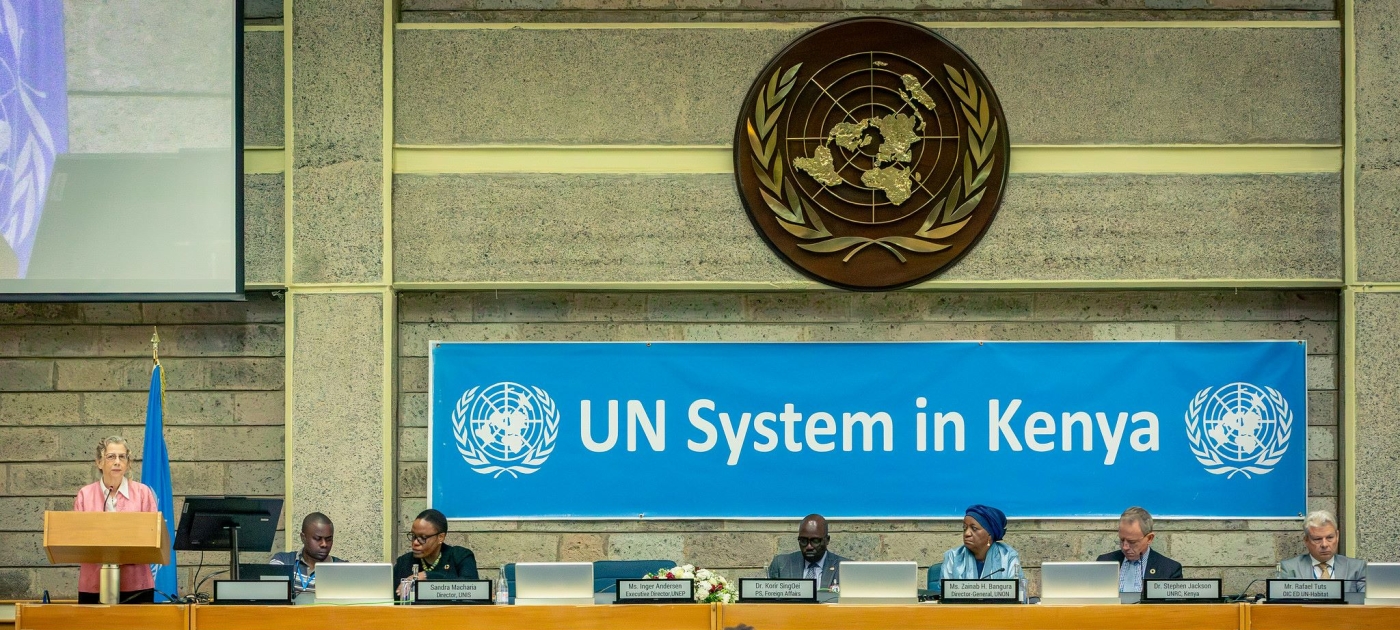
This year, United Nations Day marks 80 years since countries chose cooperation over conflict. The United Nations flag that flies just outside continues to remind us that shared problems demand shared solutions. And, as the video we just watched said, a United Nations that is not perfect, but persistent.
It is a fitting tribute to celebrate here in Nairobi – the UN’s only headquarters in the Global South – where diplomacy, science and partnerships come together to turn ideas into action. For the United Nations Environment Programme (UNEP), Nairobi is not just our host; it is the heartbeat of environmental multilateralism.
UNEP is the UN’s environment conscience and compass. Over the decades, Member States have used UNEP to explore environmental solutions, to define new treaties and to entrust your UNEP Secretariat to work under Member State guidance. This work has helped to translate environmental science into policy and practice, supporting projects that restore land, clean air and water, and help communities adapt.
Since UNEP was born in 1972, we have helped steward agreements that have helped heal the ozone layer through the Vienna Convention and Montreal Protocol, as well as the Minamata Convention on Mercury and the phasing out of leaded fuel. It is here where conversations started on challenges such as climate change, desertification and biodiversity loss. And it is here where Member States decided to lift these challenges up and come together to craft multilateral solutions.
Our host country, Kenya, has borne witness to UNEP’s Governing Council meetings since 1975, a year that also marked the official opening of the works on this compound. So, once constructed, these walls surrounding us have shaped UNEP’s history. From the early UNEP Governing Councils to the first United Nations Environment Assembly (UNEA) convened in 2014, these walls bear witness to the historic resolutions that have followed. All reinforcing why Nairobi is the environmental capital of the world.
And to the young people here today and across the world, who come to UNEA or attend UNEP-led negotiations to share the youth perspective, your urgency and leadership continue to challenge the UN and us to do even more. Do not stop – multilateralism needs strong voices even more than ever.
Like any big birthday, when you turn 80, it forces a – rightful – moment of reflection. What do we need to do to continue to stay relevant and impactful, and to continue to deliver for Member States over the next 80 years? This reflection comes during turbulent times. And this is why the Secretary-General of the United Nations has initiated the UN80 initiative, an ambitious system-wide reform effort to respond to the critical question: 'How can the UN adapt to become more agile, integrated, and equipped to respond to today’s complex global challenges amid tightening resources?'
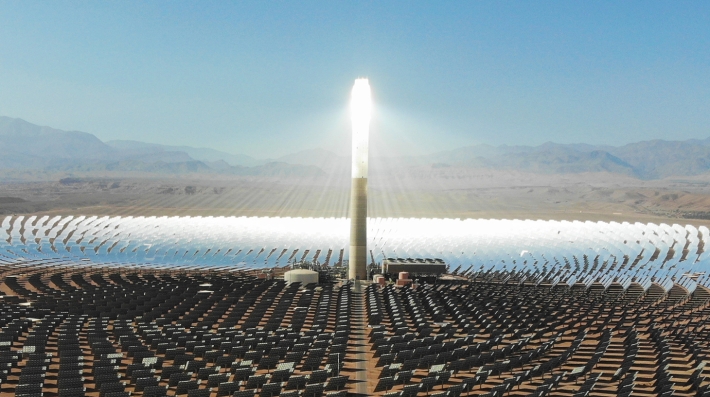
Our work here in Nairobi reinforces a few key elements that this future must include. First, tackling climate change. Global emissions must fall steeply this decade. UNEP will shortly release the Emissions Gap Report, which will look at where we are in terms of commitments and action. Even now, we know we will not be on track to deliver the Paris Agreement. It is clear we must scale renewable energy, electrify transport, deliver a just transition and support vulnerable communities on the front lines of the climate crisis adapt to our new reality. UNEP will continue to support Member States with data and solutions – from reducing methane emissions to supporting climate resilience for vulnerable countries across the world.
Second, living in harmony with nature and reaching for land degradation neutrality. The world has already agreed that we will halt and reverse biodiversity loss. So now we must deliver the 23 targets of the Kunming Montreal Global Biodiversity Framework and work on land degradation neutrality. Because it is only when we do this will we address challenges such as droughts, sand and dust storms and much more.
Third, a pollution-free future. As we redesign our linear economic models, we can design out waste, design in circularity and efficiency, keep materials in use and detoxify supply chains. And of course, we must support the ongoing efforts to secure a plastic agreement so we can tackle the scourge of plastic pollution, including in the marine environment.
And finally, a growing area of importance for UNEP and the UN at large: digital and scientific cooperation. As we lean into our 81st year, we must ask ourselves: how do we ensure a sustainable, environmentally sound digital transformation? The new Global Digital Compact, agreed last year during the UN General Assembly High-Level week, supported by UNEP and other UN partners, aims to ensure equitable access to digital technologies, minimize environmental impacts and use these technologies to create economic growth and sustainability on a healthy planet that supports us all.
So, in the environmental capital of the world, let us pledge to continue to listen to science, continue to put the most vulnerable first, and continue to act at the speed and scale that this moment demands.
To all, I wish you a happy United Nations Day. May our bright blue flag, which we all serve with great honour, continue to fly proudly and always remind us not just who we are, but what we do – together.