Check against delivery
Your Excellency Kithure Kindiki, Deputy President of the Republic of Kenya,
Dr. Deborah Mlongo Barasa, Cabinet Secretary for Environment, Climate Change, and Forestry,
Ambassador Dr. Ida Betty Odinga, Permanent Representative of Kenya to the United Nations Environment Programme (UNEP),
Ms. Yasmine Fouad, Executive Secretary of the United Nations Convention to Combat Desertification (UNCCD),
Excellencies, colleagues and friends.
My thanks for the invitation to help mark World Desertification and Drought Day 2026, here in beautiful Kilifi. As host of this important day, and host to UNEP for over fifty years, Kenya is yet again demonstrating commitment to act across all environmental challenges.
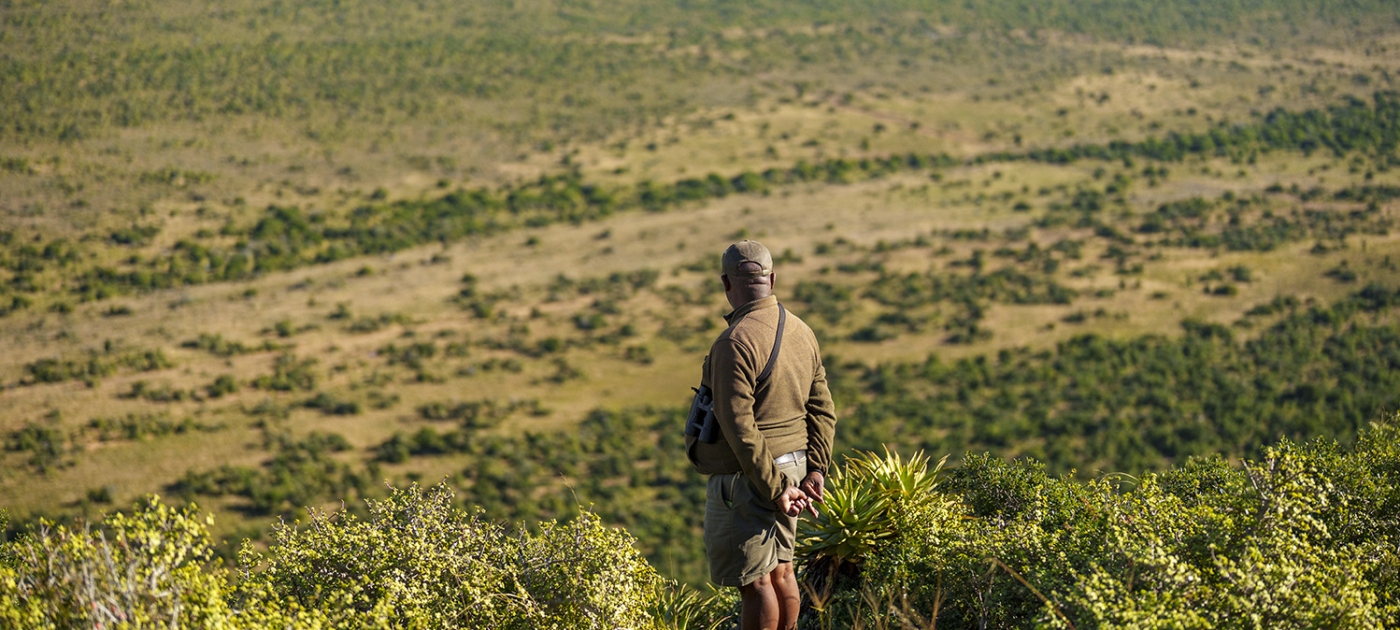
This year, World Desertification and Drought Day calls on us to recognize, respect and restore rangelands. These vast landscapes cover more than half of the Earth's land surface and support around two billion people. Despite their immense value, they are too often overlooked.
They underpin food and feed systems, providing 16 per cent of global food production and 70 per cent of feed for domesticated herbivores. They sustain pastoralist livelihoods, biodiversity, water security, cultural identity and resilience.
Rangelands sit at the heart of Land Degradation Neutrality.
Yet the loss and degradation of rangelands is attracting little attention or action. Conversion and degradation are shrinking grasslands, savannahs, shrublands and steppes. Policies and incentives are undermining pastoral production systems and local food security. And climate change is driving droughts and desertification of these vital landscapes.
This “invisibility gap” shows up in national policy. A UNEP atlas noted rangelands are referenced in only 10 per cent of national climate plans, far less than forests. And the 500 million people who practice pastoralism have no or limited influence over land-use decisions that shape the health and resilience of the lands upon which they rely.
If things keep going as they have been going, we will lose much of these rangelands. Pastoralist communities will disperse, heading for urban centres, or be reduced to aid dependency. A long and proud tradition stretching back thousands of years would be lost. This is not progress. This is a human and cultural tragedy.
So we must address rangeland conversion. Promote well-managed ecological pastoralism as a sustainable land management strategy. Empower pastoralist communities to lead on governance. Prioritize rangelands in global and national agendas. And address climate change and biodiversity loss at a global level.
In particular, as countries update and implement their National Biodiversity Strategies and Action Plans under the Kunming-Montreal Global Biodiversity Framework, they should ensure that rangelands are explicitly reflected in national targets and actions for ecosystem conservation, restoration and sustainable use.
Excellencies,
Efforts to address desertification and drought must, of course, go far beyond rangelands. Up to 40 per cent of the world’s land is degraded and rising. All types of ecosystems are affected. This is why the UN Decade on Ecosystem Restoration is backing restoration actions across the globe. And why The Restoration Initiative is backing nine countries across Africa and Asia to restore nearly half a million hectares.
UNEP is proud to work here with the Government of Kenya, Kilifi County, local communities and international partners on responses to desertification, land degradation and drought. The Tana Delta/Lower Tana project, funded by the Global Environment Facility, shows what can be achieved through such collaboration.
UNEP-supported work in the Tana Delta helped communities develop land-use plans, with targets including over 130,000 hectares under sustainable livestock, fisheries and crop management, and 10,000 hectares under restoration. This work also supported the establishment of a community conservation area of over 95,000 hectares, showing how land-use planning can reduce conflict, protect biodiversity and support local livelihoods.
But restoration is, of course, not enough. We must prevent healthy land from degrading in the first place. We need to invest in drought preparedness, early warning systems, soil health, sustainable livestock systems, land tenure security, renewable energy and nature-based solutions.
Excellencies,
Today, on World Desertification and Drought Day, and ahead of the upcoming COP17 in Ulaanbaatar, Mongolia, it is clear we have much work to do. But we have the leadership of Kenya. We have the convening power of UNCCD and UNEP. We have local communities who are increasingly managing their own lands to secure their own futures.
Recognize, respect, and restore. That has been our focus this year. Let us recognize the true value of rangelands, respect the people who have sustained them for generations, and restore these landscapes for the billions who depend on them today and for generations yet to come.