H. E. Bob Rae, President of the Economic and Social Council,
Excellencies, Distinguished delegates, Ladies and gentlemen,
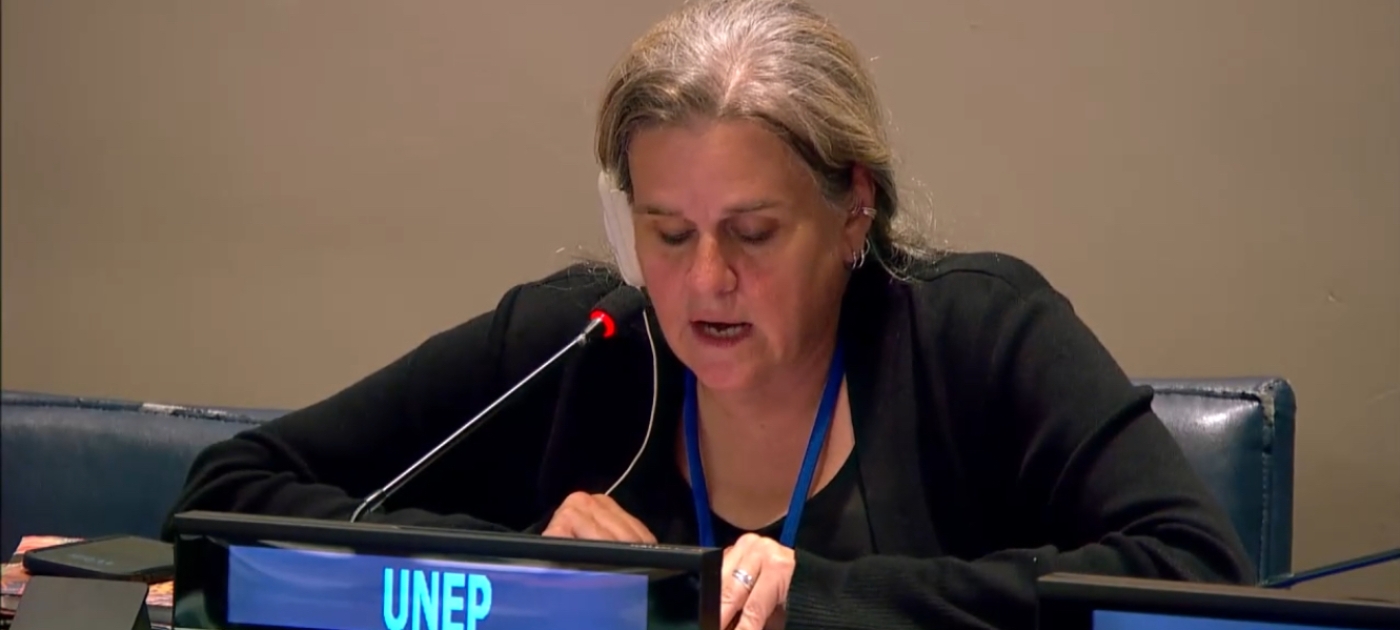
UNEP is pleased to join this critical review of SDG 14—Life Below Water.
This year has marked several milestones in advancing ocean governance, including the 2025 UN Ocean Conference and an increasing number of ratifications of the BBNJ Agreement.
The third UN Ocean Conference has provided a renewed sense of urgency and direction. To build on this momentum, we must move swiftly from commitments to action. The political declaration highlights interlinkages between ocean, climate and biodiversity, and affirms the importance of full and effective implementation of the Kunming-Montreal Global Biodiversity Framework. It also introduced key initiatives, including the One Ocean Finance Facility, accelerated BBNJ Ratification, and the 30x30 Ocean Action plan.
Implementing these initiatives requires concrete policies, financing, and integration into national strategies, with follow-up guided by clear goals, regional cooperation, and inclusive stakeholder engagement, particularly coastal communities, Small Island Developing States, Indigenous Peoples, and youth. To strengthen implementation and partnerships, UNEP sees three key priorities:
First, Scaling up financing. Investments in marine protection, restoration, and sustainable Ocean economy must be significantly scaled up to meet the ambition of SDG 14. Bridging the broader financing gap requires innovative solutions. Mobilizing finance to triple investments in Nature-based Solutions by 2030 will be essential.
Second, Enhancing data and science-based solutions. Science has been instrumental in driving ocean action. The IPCC, IPBES, and the newly established science-policy panel on chemicals, waste, and pollution play a key role in supporting evidence-based ocean governance and better understand and respond to the drivers of marine biodiversity loss, ocean pollution, and climate impacts, thereby accelerating progress on SDG 14.
Third, creating more integrated ocean governance to effectively manage marine resources is critical to amplify impact and efficiency across Multilateral Environmental
Agreements affecting the ocean. For example, bridging regional governance frameworks for areas within national jurisdiction with global agreements managing resources beyond national jurisdiction and with other biodiversity MEAs will ensure a more cohesive, collaborative, whole of society approach.
Let us continue working together to ensure that the world’s oceans remain a source of life, livelihoods, and resilience for generations to come.
Thank you.