Energy is the lifeblood of the modern world, animating everything from cars, to homes, to the fitness tracker gathering dust on your bedside table.
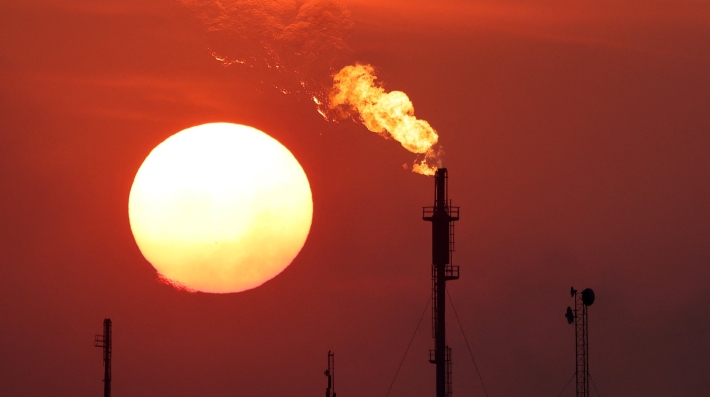
But there are some big problems with the global energy system. For one, it’s heavily reliant on fossil fuels, the burning of which is driving the climate crisis. It’s also frequently unfair: globally, more than 650 million people lack access to electricity.
Those problems – and others – have led to calls for the world to overhaul the way it produces, distributes and consumes energy. But can we really change something as massive and complex as the global energy system?
Debora Ley thinks so. She is a climate change scientist, a renewable energy engineer and a coordinating lead author of the Seventh Edition of the Global Environment Outlook (GEO-7), a landmark report on the state of the planet from the United Nations Environment Programme (UNEP).
We recently sat down with Ley to discuss how the world can break its addiction to fossil fuels and give more people access to clean, reliable electricity.
In a nutshell, can you tell me what’s wrong with the global energy system?
Debora Ley (DL): In GEO-7, we identify five main issues. One, hundreds of millions of people around the world don’t have access to electricity. Two, more than 80 per cent of the world’s energy comes from the combustion of fossil fuels, which is the primary cause of the ever-deepening climate crisis. Three, humanity wastes a lot of energy, which means we need to burn more fossil fuels than would otherwise be necessary. Four, many of our energy systems are vulnerable to the impacts of climate change, like floods and forest fires. Finally, while the world is embracing renewable energy and electric mobility, there are real concerns around the mining of the minerals used in things like batteries and solar panels.
That last part is interesting. So renewable energy isn’t without its pitfalls?
DL: No, there can be downsides. Some renewables, especially wind and solar, are variable, and one way to manage that variability is through storage. Batteries are a common solution, and many rely on minerals such as lithium, which is often found in sensitive ecosystems, including salt flats and high-altitude wetlands. If there are no safeguards around the mining of these critical energy transition minerals, the consequences can be devasting both for the environment and for nearby communities, which are often Indigenous.
So, vulnerable groups could end up paying the price for the transition to green energy?
DL: Yes. In fact, that’s already happening in many places. But it can be avoided. Countries need to enact social and environmental safeguards that consider the rights of Indigenous Peoples and local communities. You don’t want to just swap the damage done by fossil fuels for the damage done by mining. GEO-7 isn’t saying, “Don’t mine.” It’s saying, “Do it with caution, and do it ethically.”
That more holistic approach was a key aspect of GEO-7, wasn’t it? Coursing through the report is the idea that you don’t want to solve one problem by creating another.
DL: Yes, exactly. GEO-7 looked at three interlinked crises – climate change, nature, land and biodiversity loss, and pollution and waste. The report explored how solutions to all these interconnected crises could work together to drive the kind of systemic transformation that’s needed to protect and restore the planet.
While renewables are becoming increasingly popular, they still only generate about 15 per cent of the world’s energy. What are the keys to raising that number and “decarbonizing” the global energy system?
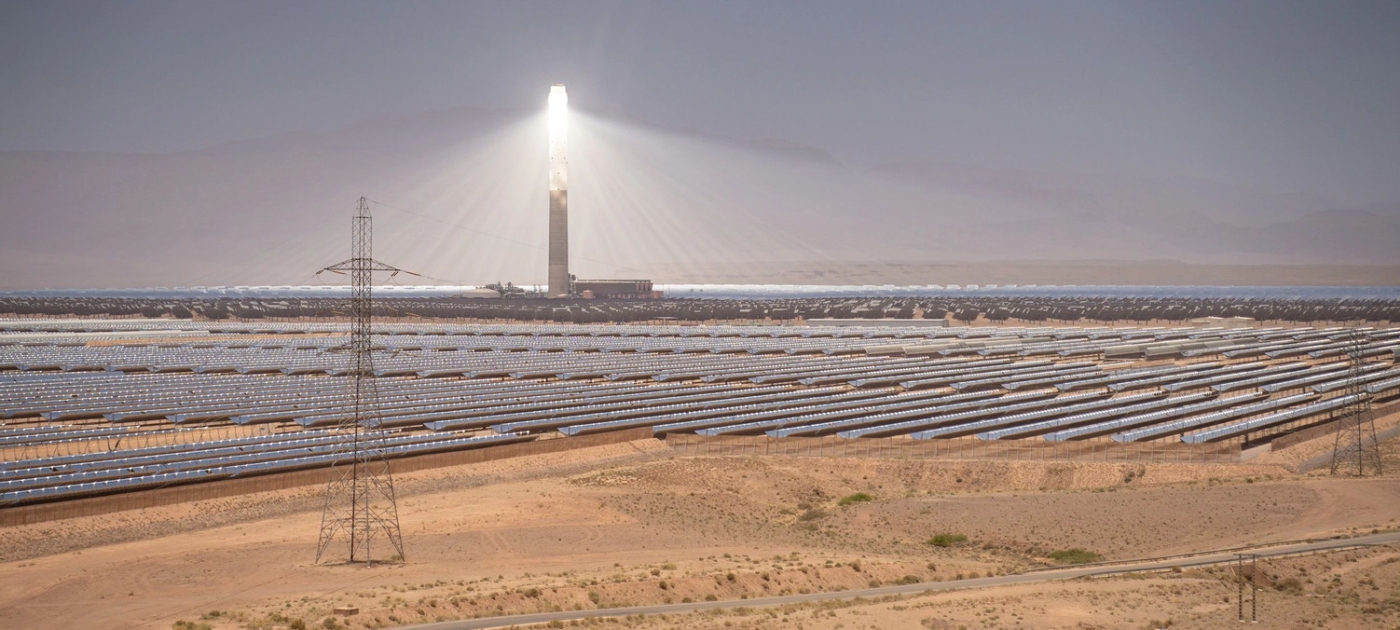
DL: First and foremost, we need to scale up investments in renewable energy. Along with being better for the planet, solar plants, wind farms and the like are also often the cheapest way to generate electricity. We should also repurpose fossil fuel subsidies, the cost of which hit US$7 trillion in 2022, directing them instead towards clean and affordable energy. The world also needs to speed up the electrification of key sectors, like transport, and embrace alternative fuels – like green hydrogen – in hard-to-electrify sectors.
Beyond decarbonizing the energy system, what else do we need to do to reduce greenhouse gas emissions and keep the worst of climate change at bay?
DL: We need to reduce the amount of energy we use, which we can do in several ways. We can improve the efficiency of our buildings by using more insulation, installing heat pumps and embracing passive cooling techniques, which would reduce our need for heating and air conditioning. We can make our cities more compact, lessening the need to travel, which generates greenhouse gases. Finally, we can change our behaviors, including by, when possible, walking and cycling for shorter trips, and driving electric cars for longer ones.
What would all of this mean for the hundreds of millions of people who still lack access to electricity?
DL: That’s an important question. While we’re decarbonizing the energy system and improving efficiency, we can’t leave them behind.
To provide electricity to those without, we need to extend electric grids and expand the use of off-grid systems, like household-sized solar panel kits. We also need to invest in community-scale solar generation and small-scale hydroelectricity, where appropriate.
Scaling up subsidies and concessional financing for large-scale renewable energy projects in electricity-starved regions would also be game changing for many poor and vulnerable communities. Any new power plants we build – large or small – should be renewables-based.
Finally, we need to support communities as they move away from using firewood for cooking and heating, something that spurs deforestation and releases toxic smoke, which can sicken and kill. We do this by supporting the uptake of clean cooking solutions, including electric cooking and other modern fuels and technologies appropriate to the local context.
The scientific consensus is that the world will soon overshoot one of the key targets of the Paris Agreement, which aims to limit global warming to 1.5°C. Are you optimistic that we’ll be able to decarbonize the global energy system fast enough to stave off a full-blown climate catastrophe?
DL: We will overshoot the 1.5°C target, yes. But we have the solutions we need to limit the overshoot – and bring temperatures back down again. That having been said, we will still struggle to adapt to some forms of climate change, which could make the energy transition even more challenging.
Right now, there are a lot of embedded interests that are stymieing the transition to a more sustainable and more equitable energy system. We need political will to overcome those forces. If we can work in a more systemic way across multiple systems, not only energy but also food, waste, and the environment, we can deliver on many goals simultaneously and lay the foundation for a fairer, more sustainable future.
Written by Andrew Raven
Reviewed by Debora Ley, Ignacio Sanchez, Adele Roccato

The production of this story was funded by the European Union. GEO-7 was co-funded by the European Union.