By Andreea Calcan, Officer in Charge at UNEP’s International Methane Emissions Observatory.
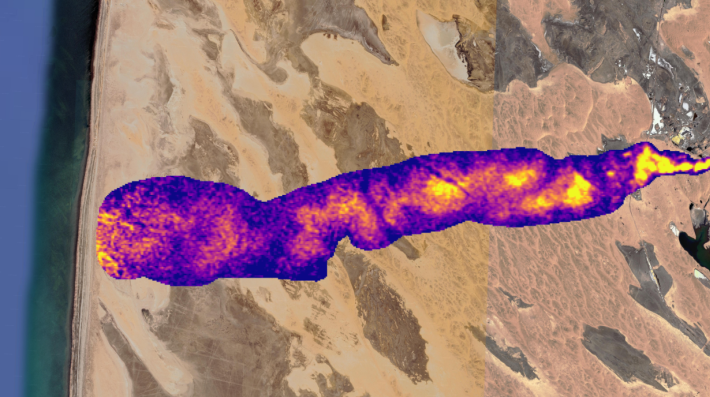
For years, satellites orbiting the Earth had been tracking a giant plume of methane leaking from a remote oil field in eastern Algeria. No one knows exactly how long the colourless, odourless greenhouse gas had been escaping into the atmosphere.
But the damage was clear. Every year the leak continued, it produced as many heat-trapping emissions as 500,000 cars.
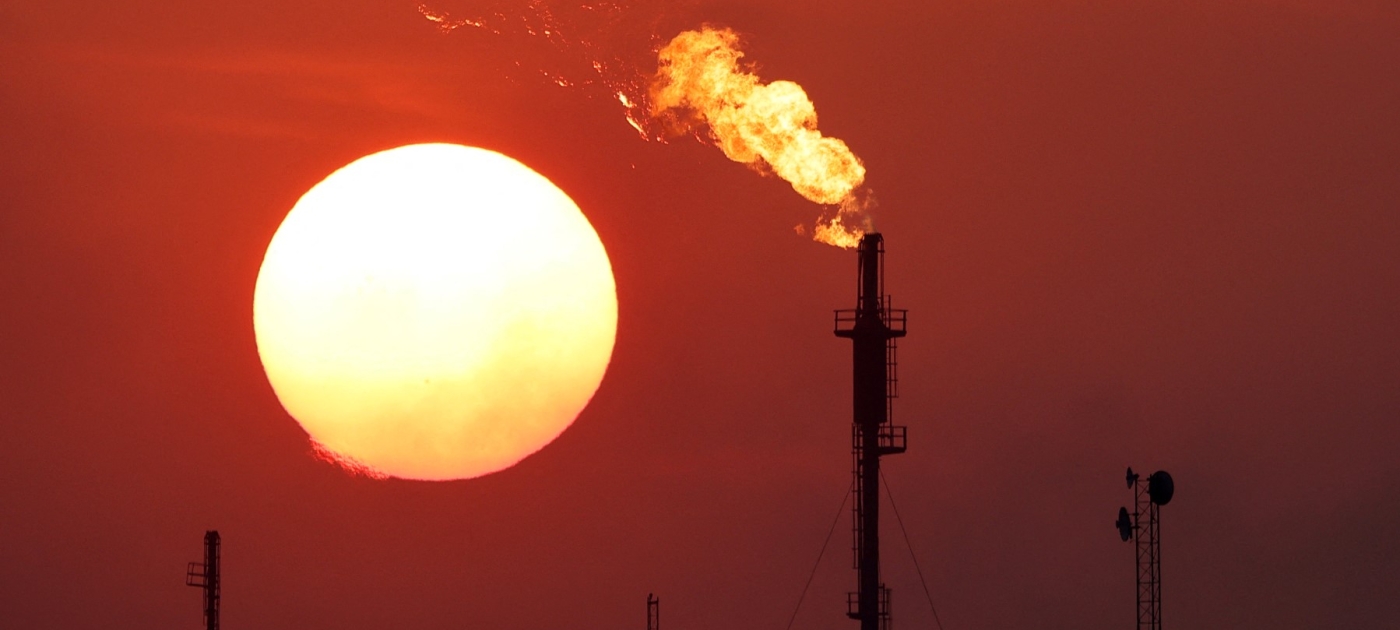
The leak was eventually fixed. But around the world, there are still thousands more like it, feeding an accelerating climate crisis.
Methane is responsible for roughly one-third of the global warming we experience today. It also heats the planet 80 times faster than carbon dioxide over the short term.
In scientific circles, reducing methane emissions has long been seen as one of the fastest ways to slow climate change and buy us the time we need to decarbonize our economies.
The problem: we lacked the data to do much about methane. As a result, it was often treated like the little brother of greenhouse gases.
No longer. Over the last few years, there has been a global movement to slash methane emissions. That is one of the most encouraging developments I’ve seen during my nearly two decades as an atmospheric scientist.
At the forefront of this push is the International Methane Emissions Observatory (IMEO), which is part of the United Nations Environment Programme. While methane is invisible to the naked eye, with the right kind of imaging equipment, you can see giant plumes emerging from pipelines, landfills, or industrial facilities. And once you see the problem, it becomes harder to ignore.
Through IMEO’s Methane Alert and Response System, we monitor Earth with more than 30 satellites and notify governments and operators when we identify major leaks known as super-emitters. To date, we have sent over 5,000 alerts globally.
We focused initially on the oil and gas sector, often considered the “low-hanging fruit” of methane mitigation because many leaks can be repaired relatively quickly and cost-effectively. And because methane is essentially natural gas, repairs help reduce product and revenue loss for companies.
Still, despite a more than 10-fold increase in response to MARS alerts globally, many countries have not acted on this critical opportunity.
There are several reasons for this. Some oil and gas companies may lack the resources to modernize aging systems overnight. Or repairs may require shutting down production and must be carefully planned.
But seeing momentum build globally gives me hope. Every month, new companies join the Oil and Gas Methane Partnership 2.0 (OGMP 2.0), which provides a global standard for measurement-based methane emissions reporting. It covers nearly 45 per cent of global oil and gas production. Additionally, 160 countries have joined the Global Methane Pledge, which aims to cut emissions by 2030. And governments, including the European Union, have advanced landmark methane regulation.
So, what needs to happen next? First, we need more companies – especially national oil companies – to join OGMP 2.0.
Second, we need more governments and companies to act on methane alerts.
Third, we need to find solutions in the agriculture and waste sectors, which are responsible for 60 per cent of human-caused methane emissions. This could be especially tricky due to the size and complexity of these sectors.
Finally, and most critically, we must follow the science. It shows us where to reduce methane emissions, how we can act and whether we’re making progress.
There is still a long road ahead. But with the climate crisis deepening by the day, we have to keep pushing forward.
Earlier this year, during an event marking 250 years since the discovery of methane, a delegate from Nigeria said something that stayed with me: “Methane was discovered by chance, but we must act by choice.” In my mind, I often return to this phrase. I think that for our planet’s future, the only choice we have is to act.
About World Environment Day
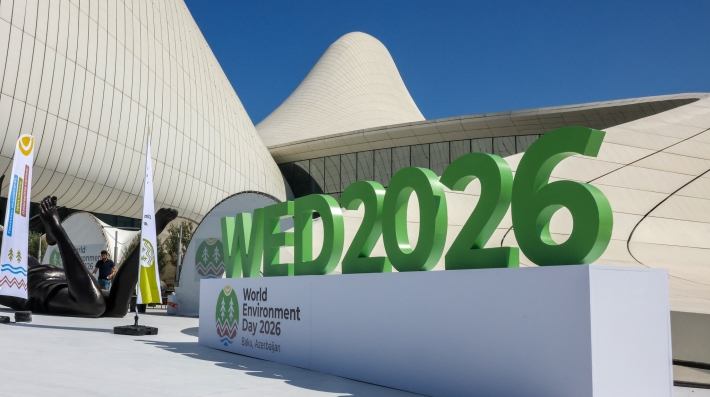
World Environment Day, celebrated annually on 5 June, is one of the planet's largest platforms for environmental outreach and is led by the United Nations Environment Programme (UNEP). This year's edition, hosted by Azerbaijan, will focus on solutions to the climate crisis. See how you can get involved.
About UNEP's work on methane
UNEP is at the forefront of methane emissions reduction in line with the Paris Agreement goal of keeping global temperature rise well below 2°C. UNEP’s work revolves around two pillars: data and policy. UNEP supports companies and governments across the globe to use its unique global database of empirically verified methane emissions to target strategic mitigation actions and support science-based policy options through the International Methane Emissions Observatory. UNEP also fosters high-level commitments through advocacy work and supports countries to implement measures that reduce methane emissions through the Climate and Clean Air Coalition. Both initiatives are core implementers of the Global Methane Pledge.