
With 265 million players and around 5 billion fans, football is the world's most popular sport, but, like many outdoor activities, it is increasingly affected by the triple planetary crisis of climate change, biodiversity loss, and pollution. As host cities across North America welcome millions of football fans for the 2026 World Cup, they face immense pressure on transport networks, waste management systems and natural resources. The event has attracted criticism over its projected environmental footprint, with scientists estimating that it could generate between 9 and 15 million tonnes of CO2.
An assessment by the United Nations Environment Programme (UNEP) of more than 100 sports organizations in 48 countries found that while many organizations recognize their responsibility to reduce their environmental impact, they often lack the funding, staff and expertise needed to do so.
Yet several World Cup host cities are demonstrating how challenges can drive positive change. "Large events like the World Cup provide a rare opportunity to promote and normalize good practices," says Gulnara Roll, Chief of UNEP’s Sectoral Transition Section. "Host cities can integrate tournament preparations into their long-term sustainability strategies, creating benefits that extend well beyond the event itself."
Here are four ways cities can make major sporting events more sustainable – drawing on examples from the cities collaborating with UNEP as part of the Generation Restoration initiative.
1. Invest in climate-resilient infrastructure and green public spaces
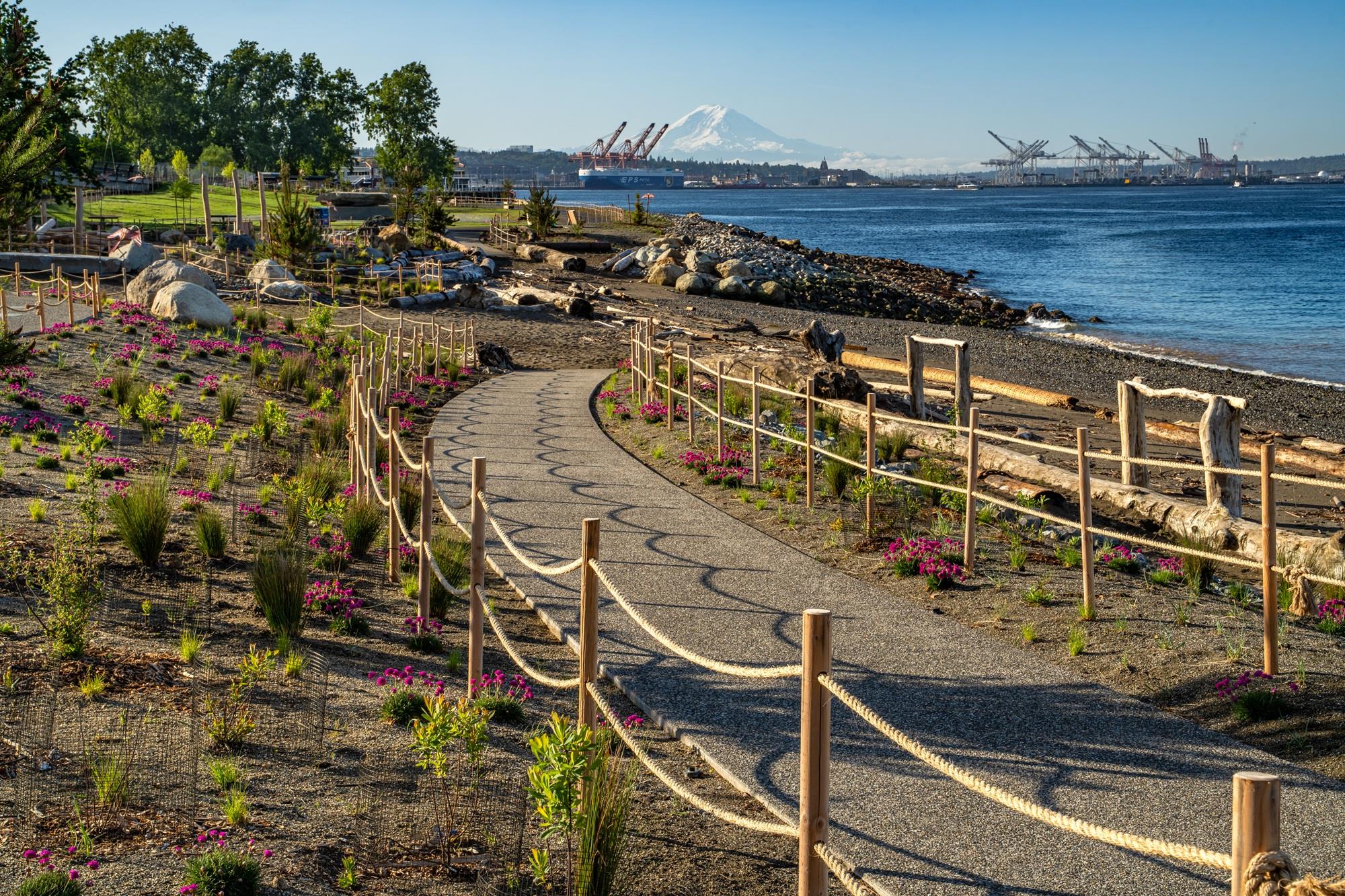
Large sports events provide an opportunity for cities to invest in sustainable infrastructure and nature-based solutions that will continue to benefit residents after the tournament ends.
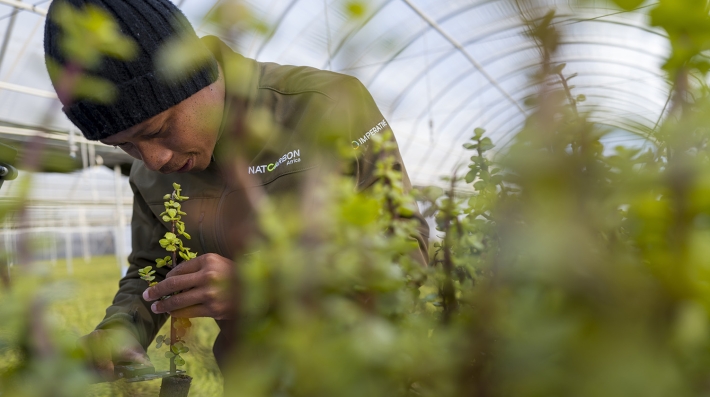
For example, the new Toronto Centennial Park training facility, built for the occasion, has been designed to meet net-zero emissions standards, while the city has enhanced urban biodiversity by planting more than 57,000 native trees and shrubs across Centennial Park and Biidaasige Park.
In a similar vein, Seattle has restored parks along Elliott Bay, a popular urban harbour, adding natural beaches, pollinator habitats and nature play areas, and Mexico City has strengthened ecotourism and agritourism in its Conservation Soil areas, expanding green spaces for pollinators and rehabilitating public spaces using recycled materials.
2. Reduce waste and improve circularity
Events like the World Cup generate enormous amounts of waste, but much of it can be avoided through better planning and circular-economy approaches.
For the World Cup, Toronto has introduced a three-stream waste system, reusable foodware in selected FIFA Fan Festival areas, food rescue programmes that redirect surplus food to community organizations, and public water refill stations to reduce single-use plastics.
Seattle's Lumen Field, a founding member of the Green Sports Alliance, diverts around 90 per cent of its waste from landfill through one of the leading zero-waste programmes in the United States. Similar recycling, composting and reusable water bottle initiatives have also been introduced in fan zones and public viewing areas across the city.
Mexico City's World Cup anti-waste strategy integrated federal circular economy legislation and the "Gol por el Ambiente" initiative designed to manage tournament waste through recycling systems and local voluntary programmes that eliminate single-use plastics.
3. Make sustainable transport the easiest choice
The transportation sector accounts for 37 per cent of total CO2 emissions, but cities can reduce this footprint by making public transport, cycling and walking the easiest ways for fans to move around.
Toronto has adopted a transit-first approach, investing in transit priority routes, cycling infrastructure and shared mobility options. Seattle, in turn, has expanded pedestrian-friendly streets, increased public transport services and introduced a free Waterfront Shuttle connecting fans to Lumen Field, making low-carbon travel more convenient.
Mexico City invested in upgrading key transport interchanges, such as Tasqueña, using the World Cup to accelerate urban infrastructure development, and organized seven dedicated public transportation routes to Mexico City Stadium on match days.
4. Engage communities and build lasting partnerships
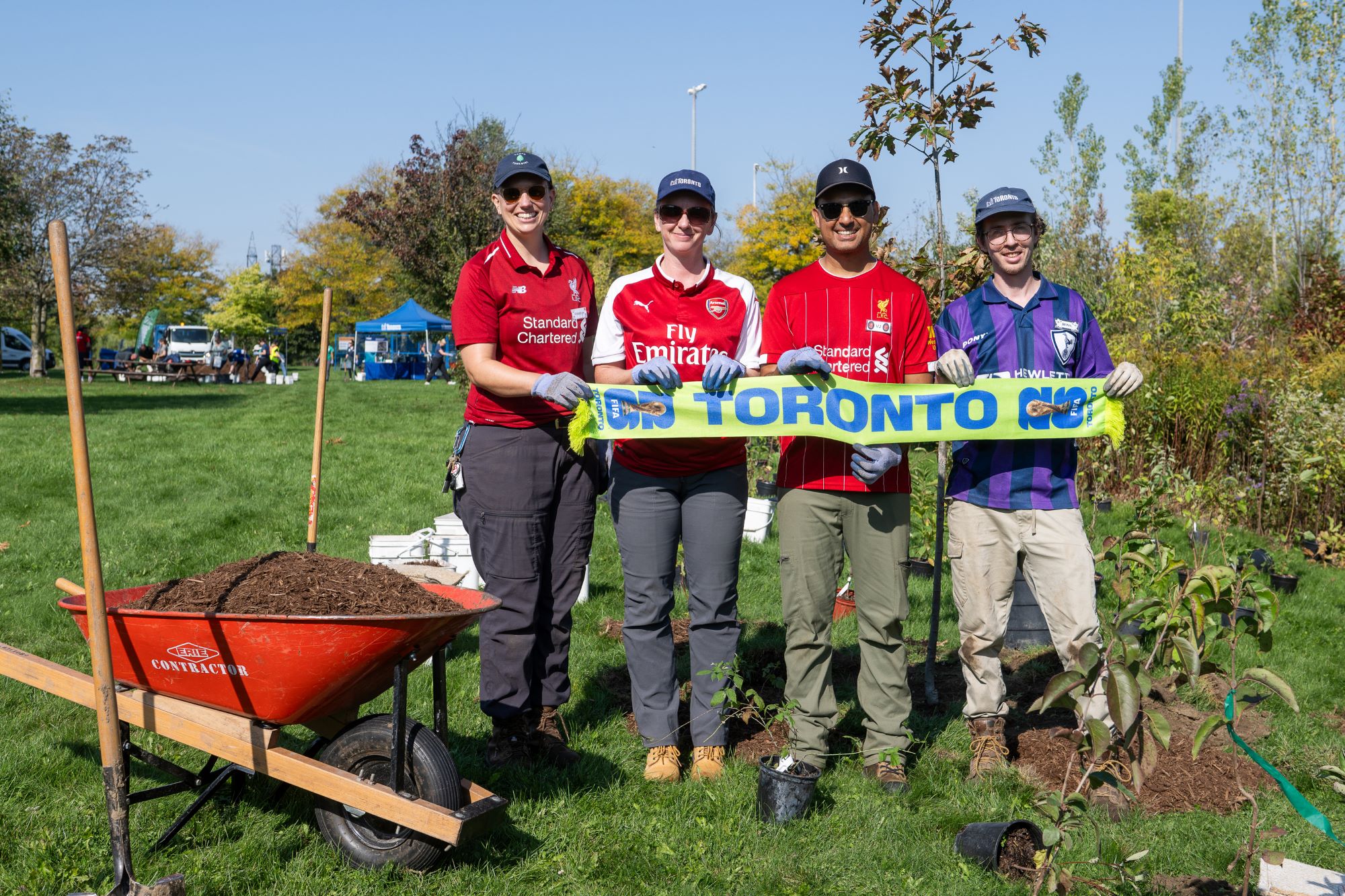
Environmental initiatives are most successful and long-lasting when local communities help design and deliver them.
For example, the Green Seattle Partnership brought together city agencies, businesses, schools, non-profit organizations and thousands of volunteers to restore more than 230 parks while providing environmental education and job skills training for young people. Toronto has similarly engaged residents, community groups and corporate volunteers in large-scale tree planting.
In Mexico City, environmental officials and sanitation groups have mobilized volunteers to clear public spaces, direct fans to recycling bins, and promote circular-economy practices.
About Generation Restoration Cities
Generation Restoration Cities is a UNEP project in support of the UN Decade on Ecosystem Restoration. Under the initiative, 24 cities worldwide pilot and showcase the implementation of urban nature-based solutions and ecosystem restoration. Fourteen pilot cities received direct funding and technical assistance, while thirteen role model cities shared experience, innovations, and lessons. The project was funded by the Federal German Ministry for Economic Cooperation and Development (BMZ) and implemented by UNEP in coordination with ICLEI’s Cities Biodiversity Centre.
Written by Alyona Synenko
Reviewed by Ann-Kathrin Neureuther and Oscar Ivanova