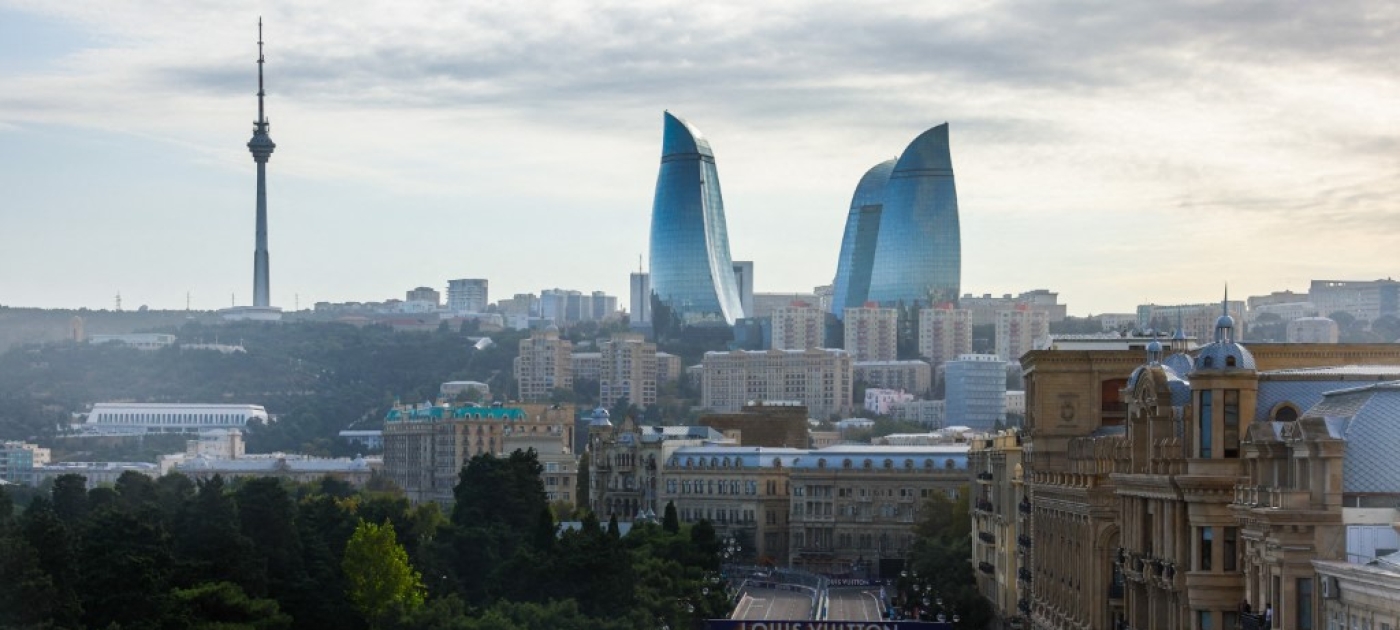
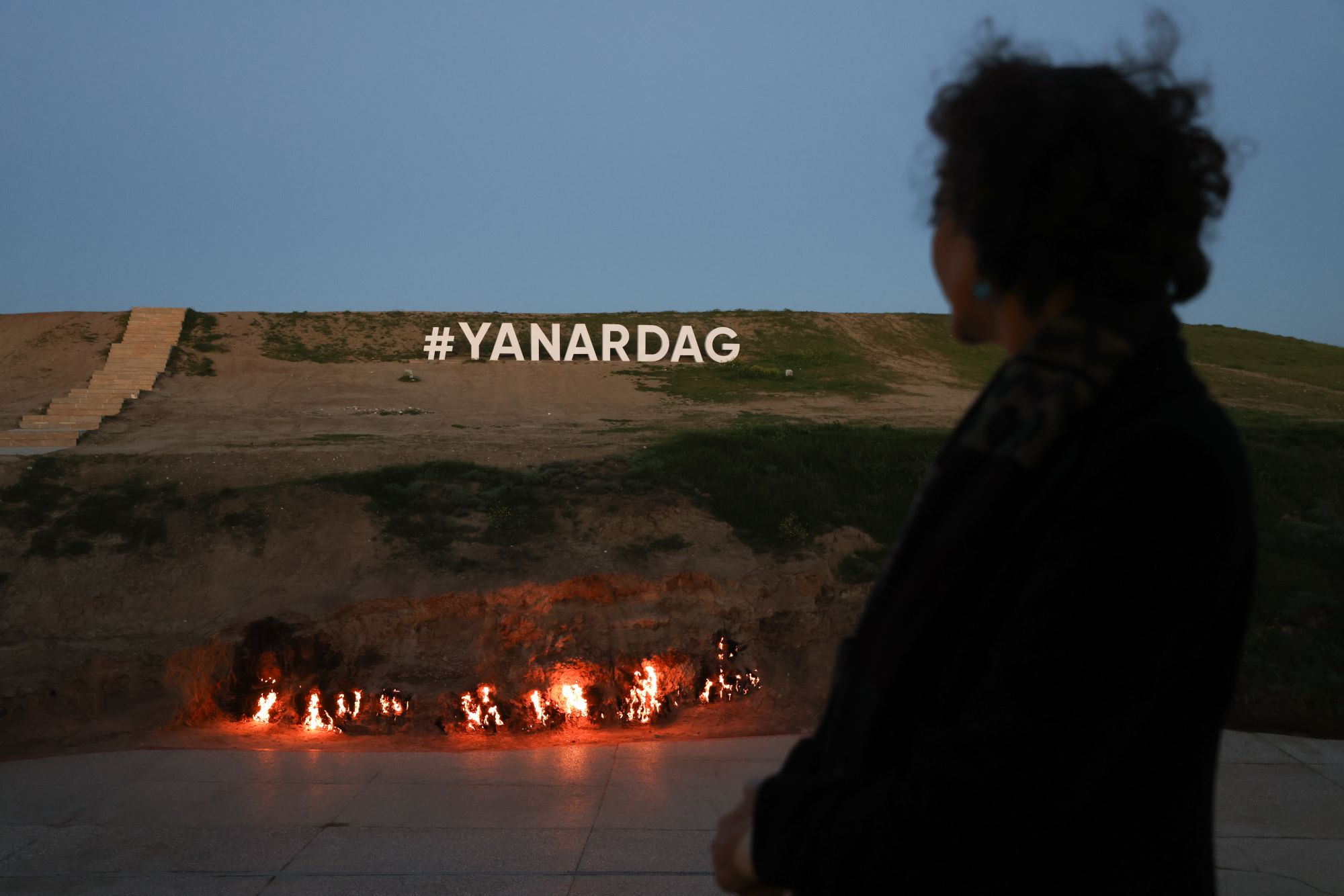
For centuries, Azerbaijan has been known as the land of fire. The country is so endowed with hydrocarbons, bubbling oil and natural gas seep out of the ground in many places. Among them is the tourist hotspot Yanar Dag (or Burning Mountain), where three-meter-high flames fed by a naturally occurring gas leak lap against a sandstone hillside.
But natural phenomena aren’t the only places in Azerbaijan where hydrocarbons slip into the atmosphere. The country is home to several ageing, Soviet-era oil and gas facilities that are prone to leaks of methane, a potent greenhouse gas that is one of the driving forces behind climate change.
But that is starting to change. In 2024, the State Oil Company of the Republic of Azerbaijan (SOCAR), launched what the company’s leaders call a wide-ranging push to almost completely cancel out methane emissions within a decade. It is a high-tech effort that some outside observers say could set an encouraging example for other petrochemical-producing countries in Southern Europe and Central Asia.
“SOCAR being one of the biggest players in the country, our contribution to the overall carbon footprint is of course quite big,” says Hikmat Abdullayev, SOCAR’s Deputy Vice President for Energy Transition, Environment and Decarbonization. “So, we have been focusing on decarbonization efforts, and investing a lot of resources and manpower into them over the past two to three years.”
Methane, the primary component of natural gas, is responsible for roughly one-third of the warming we are experiencing today. Much of that gas seeps into the atmosphere from oil and gas facilities due to intentional flaring and worn hardware, like pipes and gaskets.
But with a lifetime of only about a decade, the gas is also relatively short-lived, making methane reduction one of the most efficient tools available to slow global warming and head off a large-scale climate catastrophe.
In August 2024, SOCAR joined UNEP’s Oil and Gas Methane Partnership (OGMP 2.0), which helps companies track and reduce methane emissions. Managed by UNEP’s International Methane Emissions Observatory , the partnership represents nearly 45 per cent of global oil and gas production. Although SOCAR’s formal participation is still in its infancy, Andreea Calcan, Officer in Charge at the International Methane Emissions Observatory, points out that it sets an important precedent in a region heavily dependent on extractive industries.
“It’s significant that SOCAR, Azerbaijan’s national oil company and one of the world’s historic oil and gas operators, has joined OGMP 2.0 and is helping set the standard for what comprehensive methane leadership looks like,” she says. “There’s clearly tremendous potential for quick, high-impact action in this region.”
Methane detection on the ground
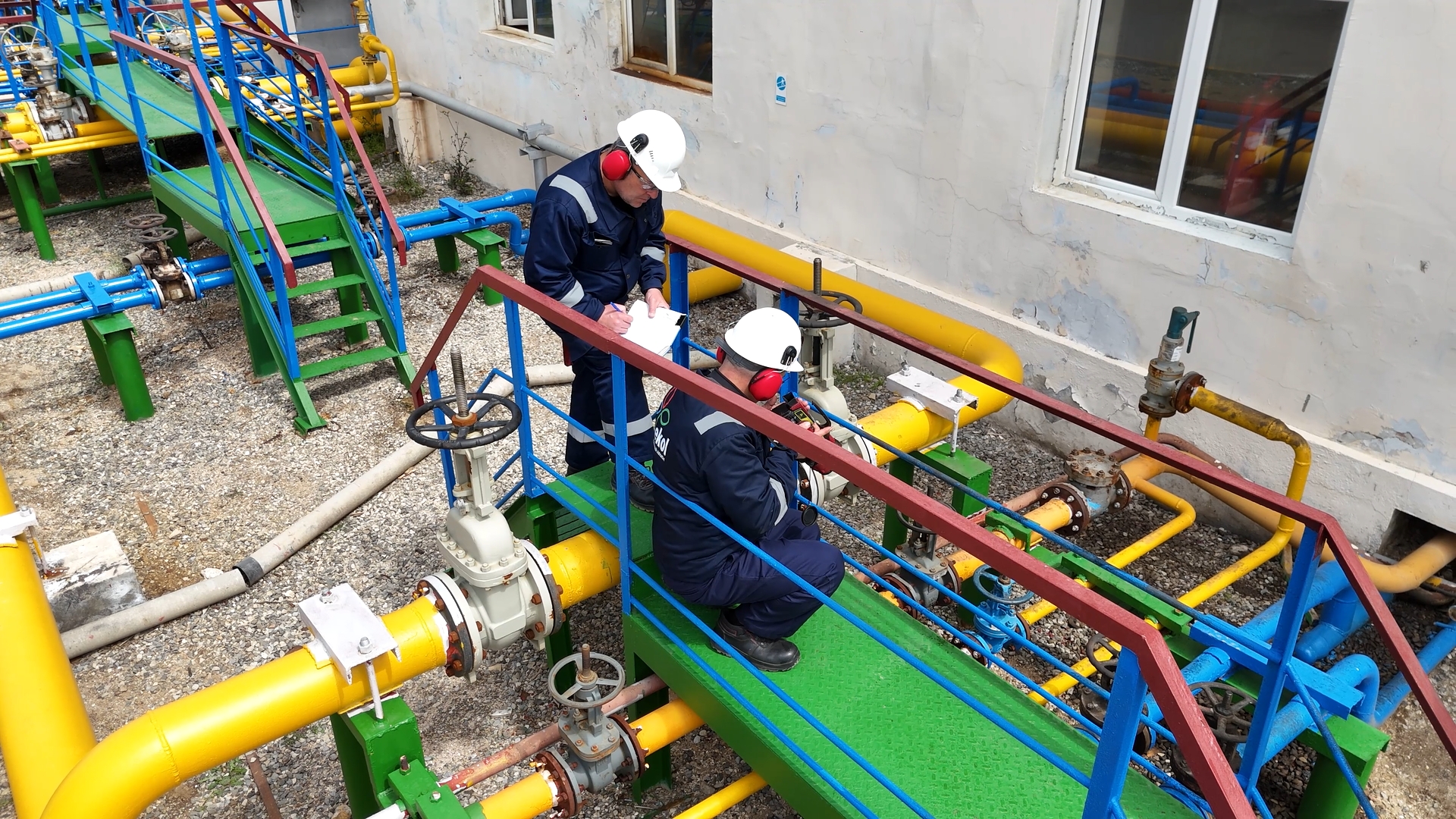
Azerbaijan is one of the oldest petroleum-producing countries in the world and much of its onshore infrastructure dates to the Soviet period. Some of these plants were originally designed to vent methane while others have ageing pipes and seals prone to leaks.
“Having to deal with the legacy of old infrastructure is one of the biggest problems for us,” explains SOCAR’s Abdullayev. “With modern infrastructure it would be a quick fix. But in our case there may be instances where you have to isolate entire operational units in order to make repairs.”
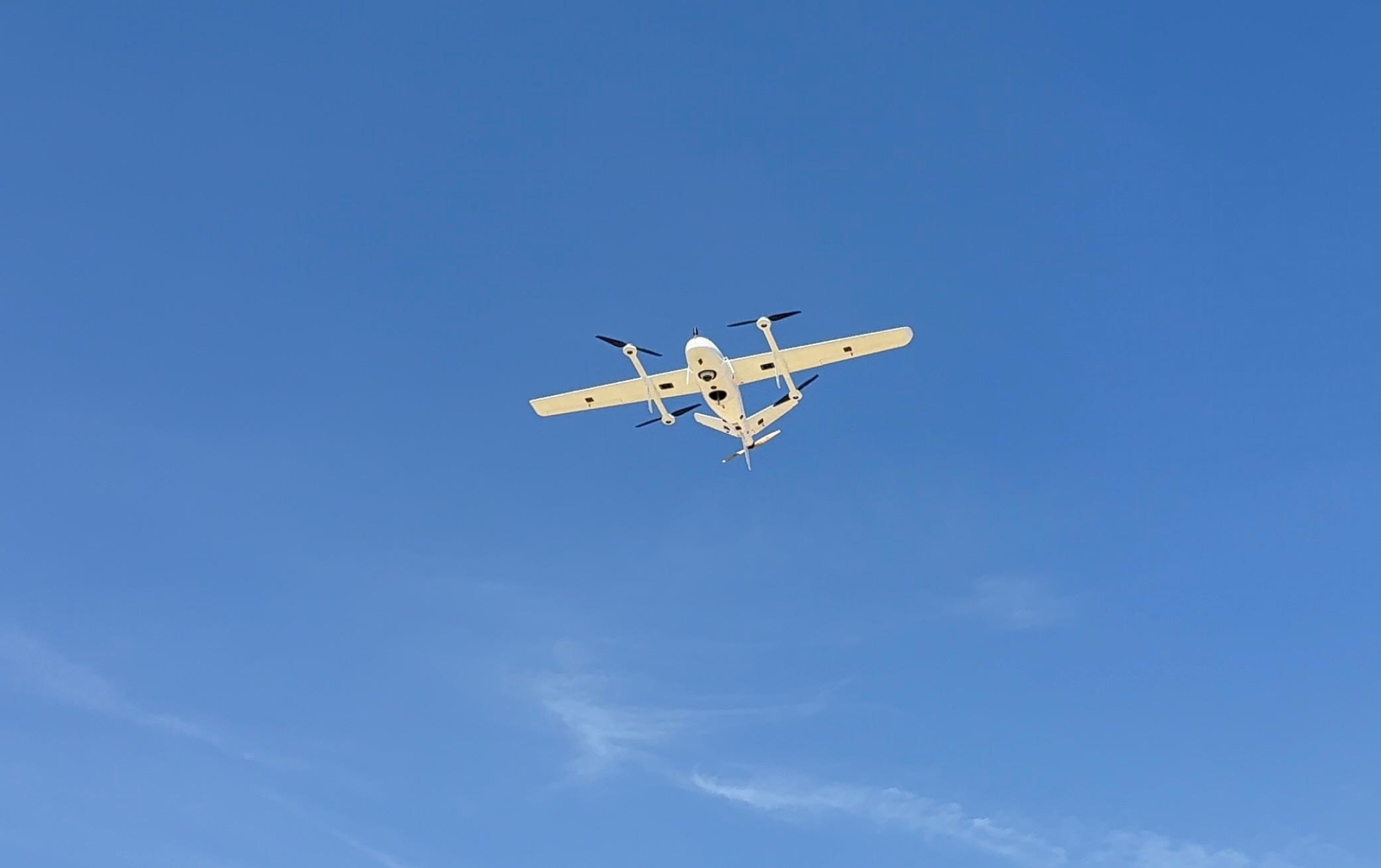
SOCAR uses satellite imagery, gas-imaging cameras and drones equipped with methane-detecting sensors to spot methane leaks, which usually occur at connection points. Artificial intelligence also analyzes operational and infrastructure data, extrapolating potential methane leaks across SOCAR’s facilities.
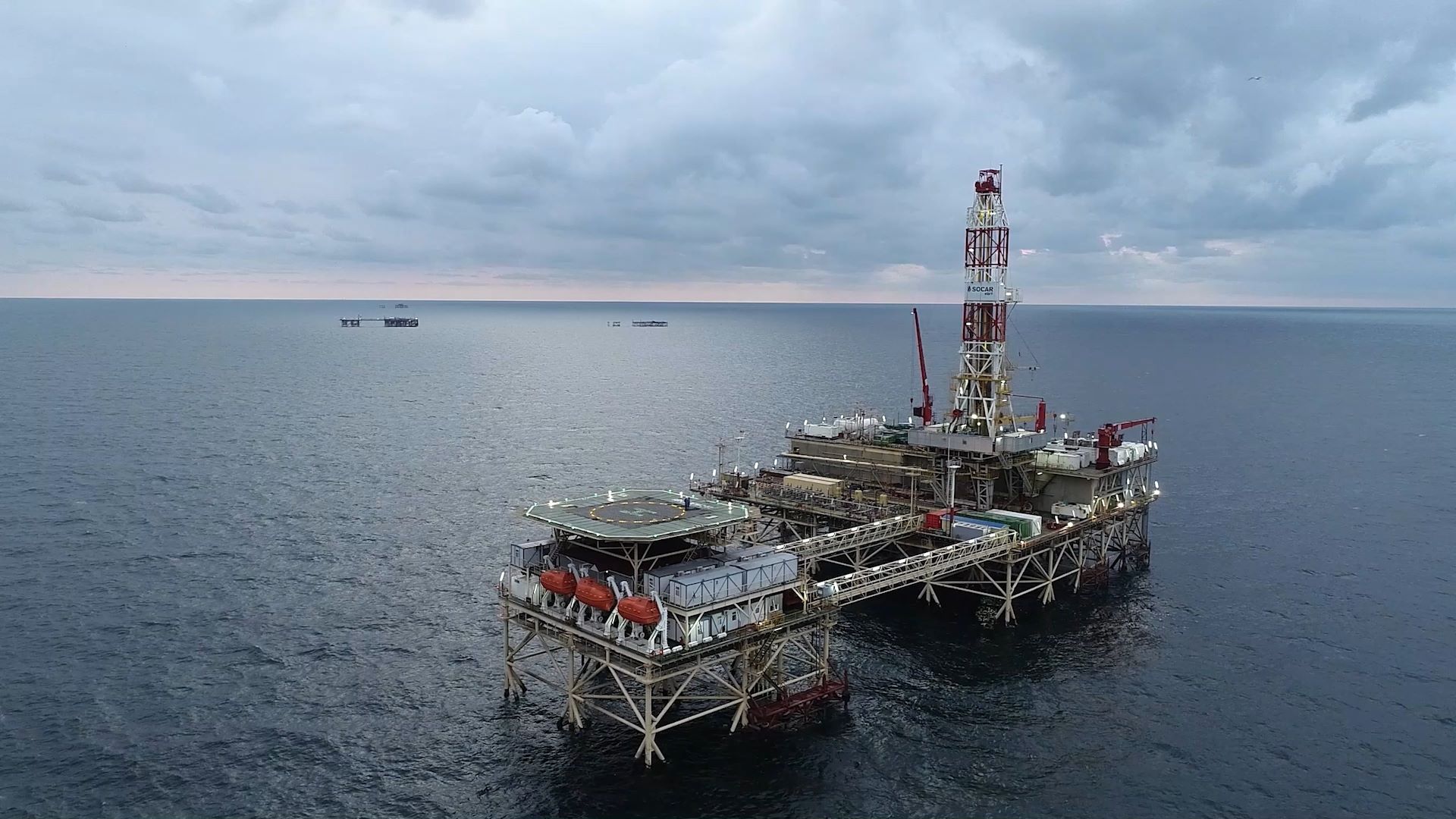
Abdullayev says the detection programme has uncovered leaks, many of which have been repaired. This year the company plans to fly drones over 80 facilities, both onshore and offshore, to map their emissions. Next year the firm will use handheld equipment on the ground to identify more sources of methane.
“With methane, it’s a no-brainer. Whatever emissions you reduce, you’re putting back into the system and you can sell them,” says Abdullayev. “In the long run, there’s a clear benefit from it.”
Apart from capturing and reselling methane, there are other compelling commercial reasons to bring down methane emissions. In 2024 the European Union approved a regulation stipulating that all oil and gas importers adopt OGMP-aligned methane measurement, reporting and verification requirements from January 2027.
“We are exporting products to Europe, so there’s no way around it – we have to comply with the OGMP 2.0 framework,” explains Abdullayev. “It puts us in a very strong position that we’re already in compliance with European Union regulations before it becomes a legal requirement.”
Actionable data
Since 2021, the International Methane Emissions Observatory has been helping countries and companies like SOCAR reduce emissions by providing open, reliable and actionable data. This includes satellite data collected through the observatory’s Methane Alert and Response System (MARS), which detects the largest methane plumes from space.
In Azerbaijan, the system has documented around 100 methane plumes originating from over 30 oil and gas sources. Of these, the observatory has so far confirmed two leaks have been addressed . The observatory estimates these sources were together responsible for 15,000 tonnes of methane emissions, roughly the same as the annual emissions of 290,000 gasoline-powered cars.
“Azerbaijan should keep building on this momentum,” Calcan says. “That means continuing to respond to MARS alerts, taking action to address these major emission events and sharing responses so that we can validate these efforts.”
Central Asia, a petroleum-rich region next to Azerbaijan, has been making progress in reducing its methane footprint, with new mitigation cases recently published in Kazakhstan and Turkmenistan. But OGMP 2.0 membership in the region remains among the lowest in the world.
Given the deepening climate crisis, IMEO’s Calcan says Azerbaijan’s work is setting an important example for other countries in the area.
“Every day that passes, climate change gets worse,” says Calcan. “But reducing methane emissions can help us flip that script and buy the world the time it needs to transition towards more sustainable sources of energy.”
About World Environment Day
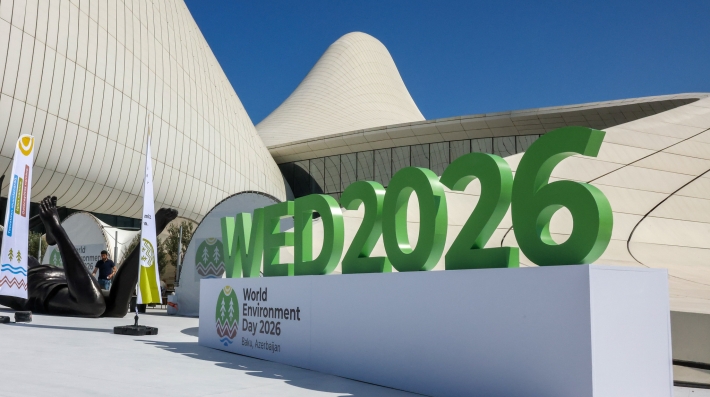
World Environment Day, celebrated annually on 5 June, is one of the planet's largest platforms for environmental outreach and is led by the United Nations Environment Programme (UNEP). This year's iteration, hosted by Azerbaijan, will focus on the mushrooming climate crisis. See how you can get involved.
About UNEP’s work on methane
UNEP is at the forefront of methane emissions reduction in line with the Paris Agreement goal of keeping global temperature rise well below 2°C. UNEP’s work revolves around two pillars: data and policy. UNEP supports companies and governments across the globe to use its unique global database of empirically verified methane emissions to target strategic mitigation actions and support science-based policy options through the International Methane Emissions Observatory. UNEP also fosters high-level commitments through advocacy work and supports countries to implement measures that reduce methane emissions through the Climate and Clean Air Coalition. Both initiatives are core implementers of the Global Methane Pledge. The Climate and Clean Air Coalition has been working with governments across Southern Europe and Central Asia to strengthen methane mitigation strategies.
Story written by Hilary Heuler
Reviewed by Andreea Calcan, Meghan Demeter, Debbie Walker, Ruth Do Coutto, Mahir Aliyev and Arnold Kreilhuber