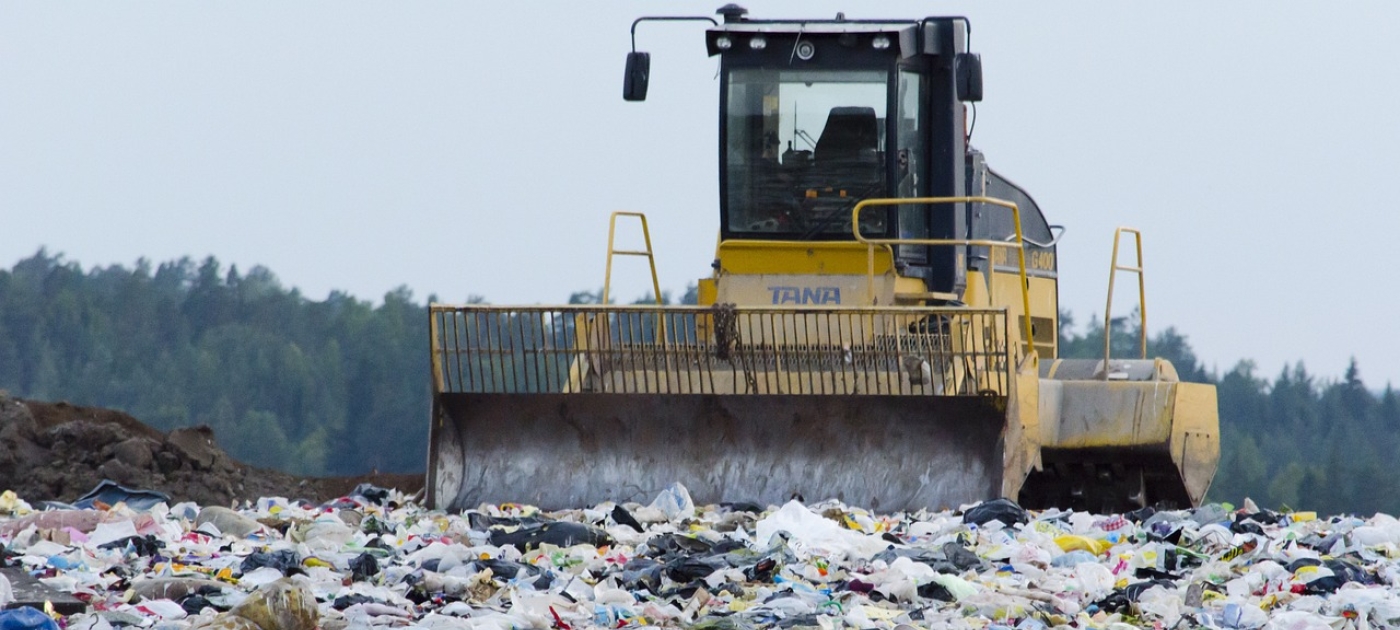
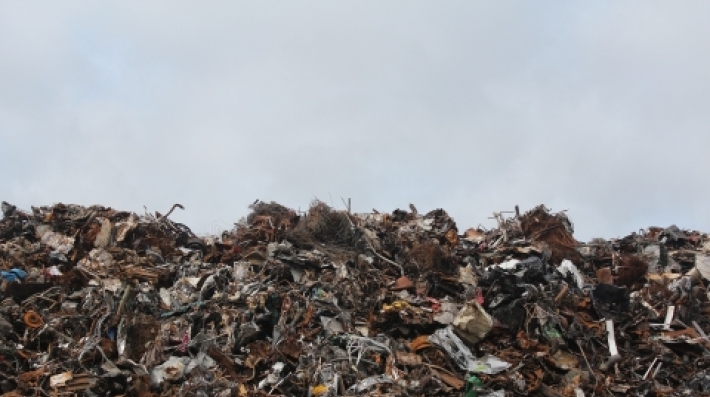
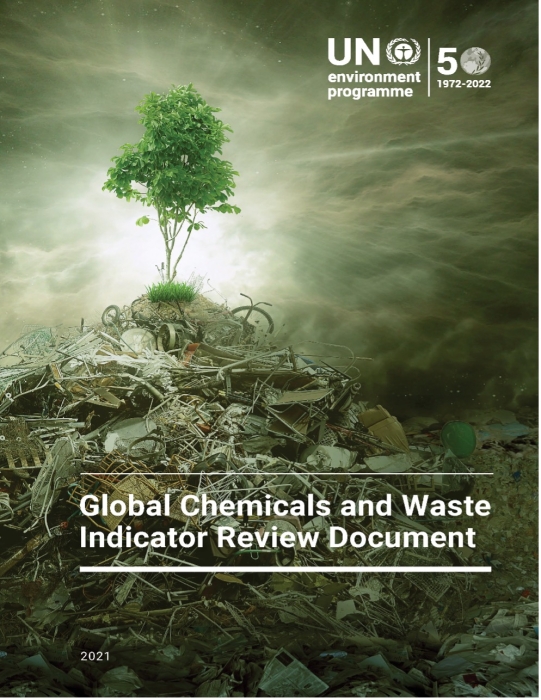
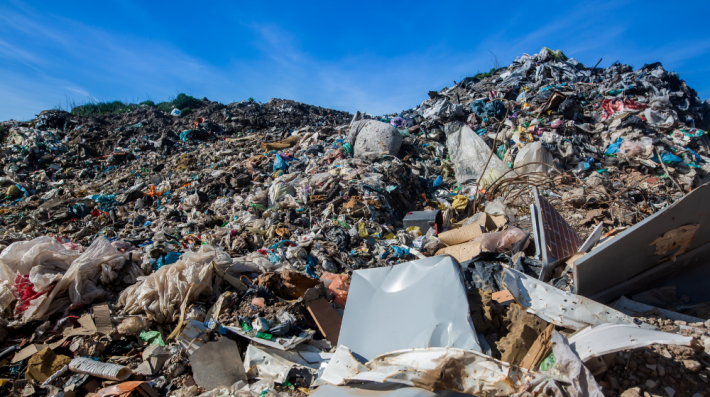
Municipal solid waste generation is predicted to grow from 2.1 billion tonnes in 2023 to 3.8 billion tonnes by 2050, affecting the climate, ecosystems, and human health.
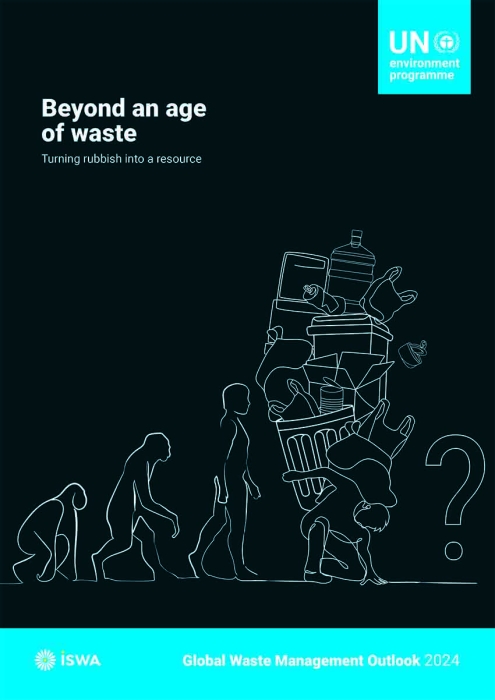
UNEP collaborates with governments, organizations, industry, and civil society to drive circular approaches that reduce waste and strengthen waste management globally. Its contribution includes the Global and Regional Waste Management Outlooks, guiding effective waste strategies.
UNEP addresses both socio-economic and environmental factors related to waste, actively supporting national and city-level waste plans. These efforts embrace the intersection of gender and waste and promote inclusive approaches that recognise the roles of informal waste workers and youth in achieving zero waste.
Through the International Environmental Technology Centre (IETC), UNEP promotes a holistic approach that begins with waste reduction and reuse, and supports the introduction of environmentally sound technologies for waste management.
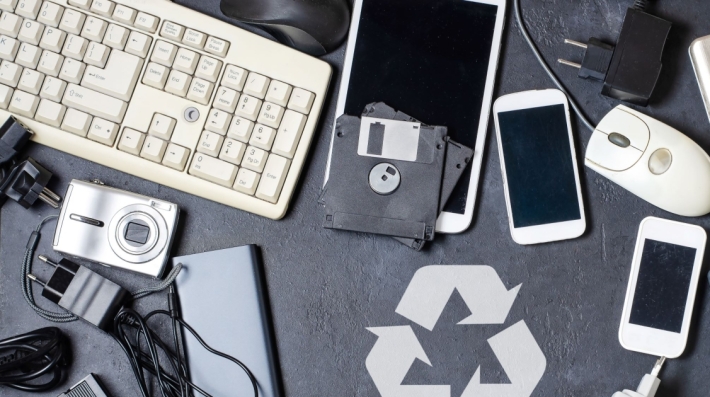
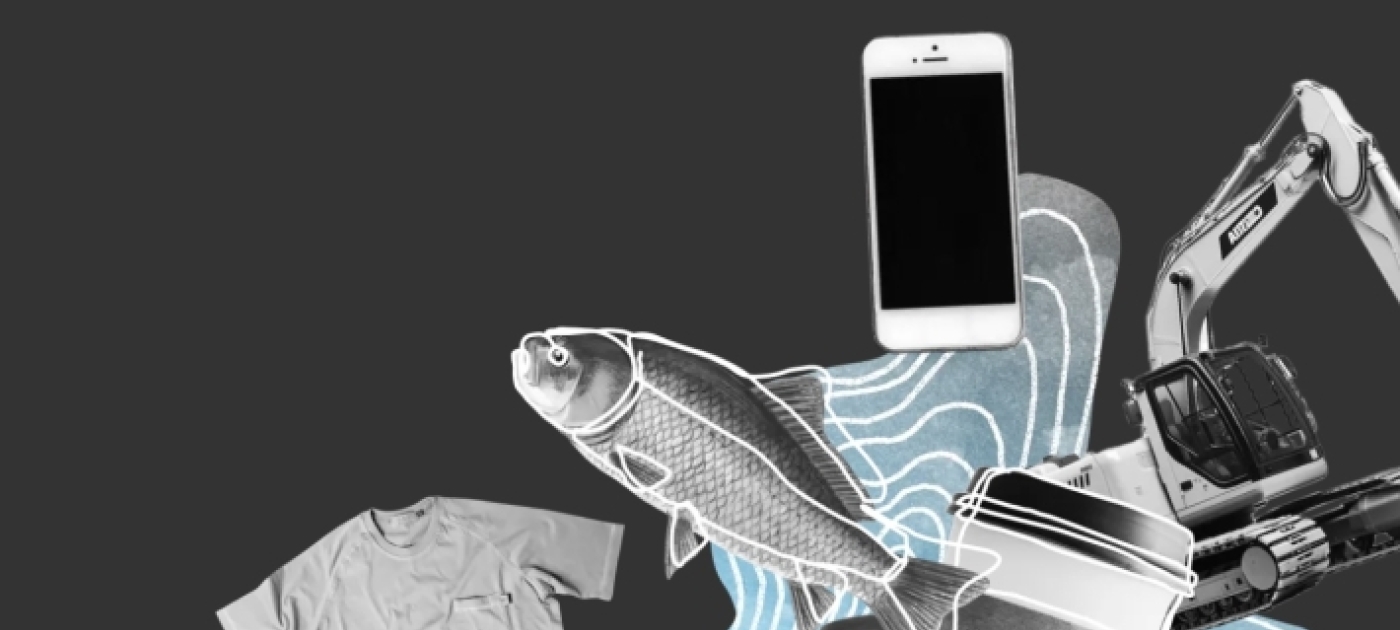
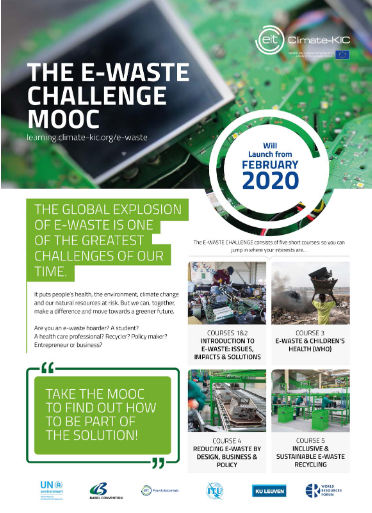
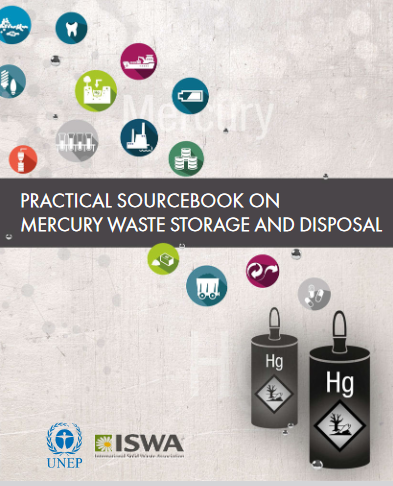
UNEP’s work on integrated solid waste management encompasses high-impact sectors, including textiles, packaging, electronics, plastics, food waste, e-waste, and mercury.




The work of UNEP in waste is lead by the International Environmental Technology Centre (UNEP-IETC).