<?xml version="1.0"?>
<response><item key="0"><title>Earth has two football pitches of land for every human. Much of it is ailing. </title><path>http://www.unep.org/news-and-stories/story/earth-has-two-football-pitches-land-every-human-much-it-ailing</path><field_article_billboard_image>https://cdn.unenvironment.org/2026-07/Football_Web_story%20%281%29.jpg</field_article_billboard_image><photo_credit_url></photo_credit_url><photo_credit_title>UNEP</photo_credit_title><field_body><![CDATA[


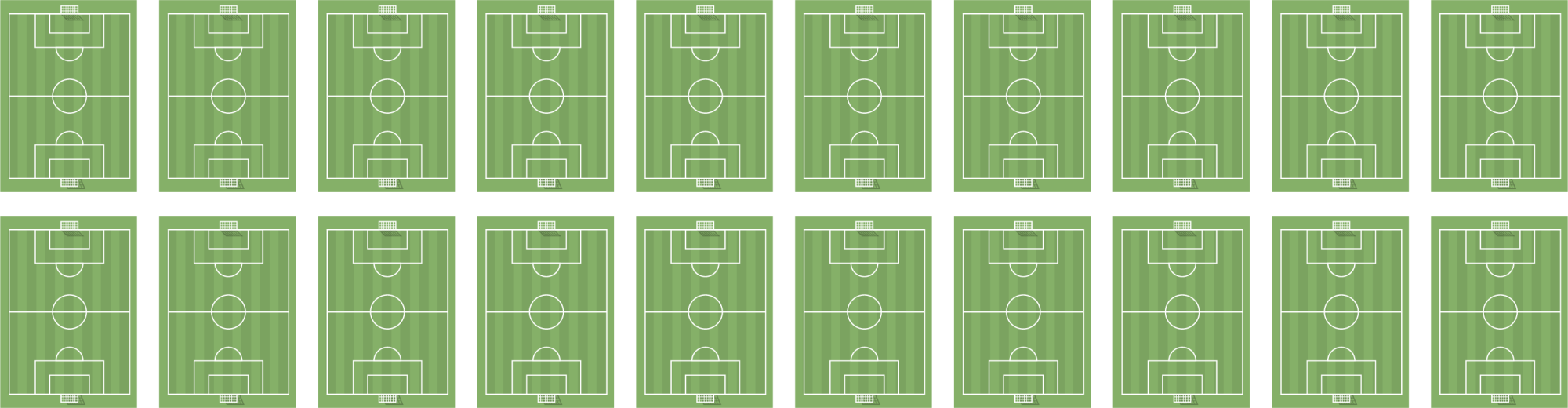
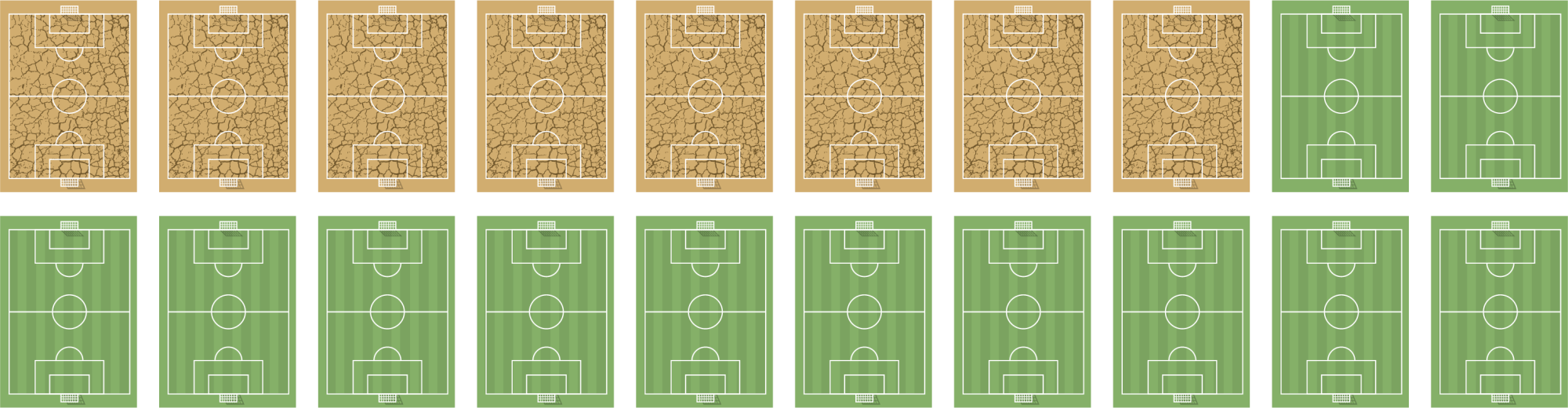
            <p>There are nearly 15 billion hectares of land on Earth. This terra firma is crucial to humanity’s wellbeing, providing most of our food, filtering our water and storing planet-warming carbon.</p><p>But around the world, landscapes are in trouble. Climate change and destructive practices, like deforestation and agricultural sprawl, have left 40 per cent of Earth’s land degraded. This is imperilling everything from jobs to food security.</p><p>During the 2026 Football World Cup, the planet’s attention will be drawn to one specific patch of land – 105 by 68 meters, to be precise. The world consists of more than 20 billion of these football fields. With footy fervour reaching a feverish, um, pitch we decided to look at land degradation through the lens of the Beautiful Game.</p>There are about <a href="https://openknowledge.fao.org/items/fbbb480e-129b-479f-b126-d7cae404e77f">20 billion football pitches </a>worth of land on Earth.


<img alt="Football pitches" data-entity-type="file" data-entity-uuid="ea82899c-8395-4b34-b859-27163209d6c9" height="520" src="https://cdn.unenvironment.org/inline-images/1%402x.png" width="2000" loading="lazy">
1 pitch=750 million hectares


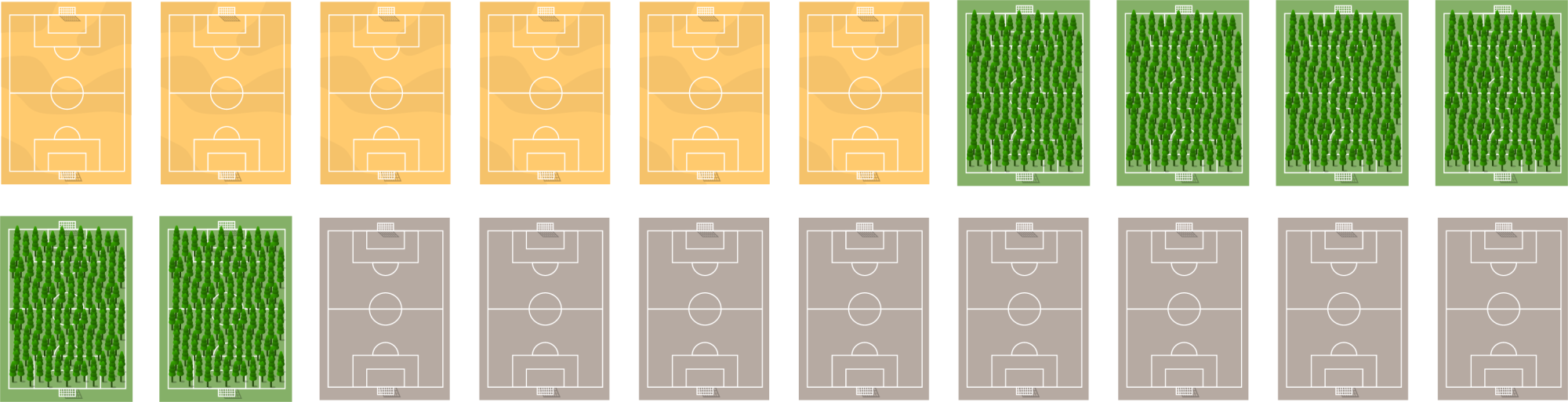
<p>&nbsp;</p>Nearly 6 billion pitches comprise largely inhabitable lands, like deserts and glaciers, as well as built-up areas like cities, towns and factories


<img alt="Football pitches" data-entity-type="file" data-entity-uuid="1a63a36c-5693-4e75-8a84-e4100ba4c944" height="509" src="https://cdn.unenvironment.org/inline-images/2%402x.png" width="2000" loading="lazy">
1 pitch=750 million hectares


<p>&nbsp;</p>About 6 billion pitches are forests


<img alt="Football pitches" data-entity-type="file" data-entity-uuid="ab42f5fa-c5f5-446b-86ec-7d595be99ed8" height="513" src="https://cdn.unenvironment.org/inline-images/3%402x.png" width="2000" loading="lazy">
1 pitch=750 million hectares


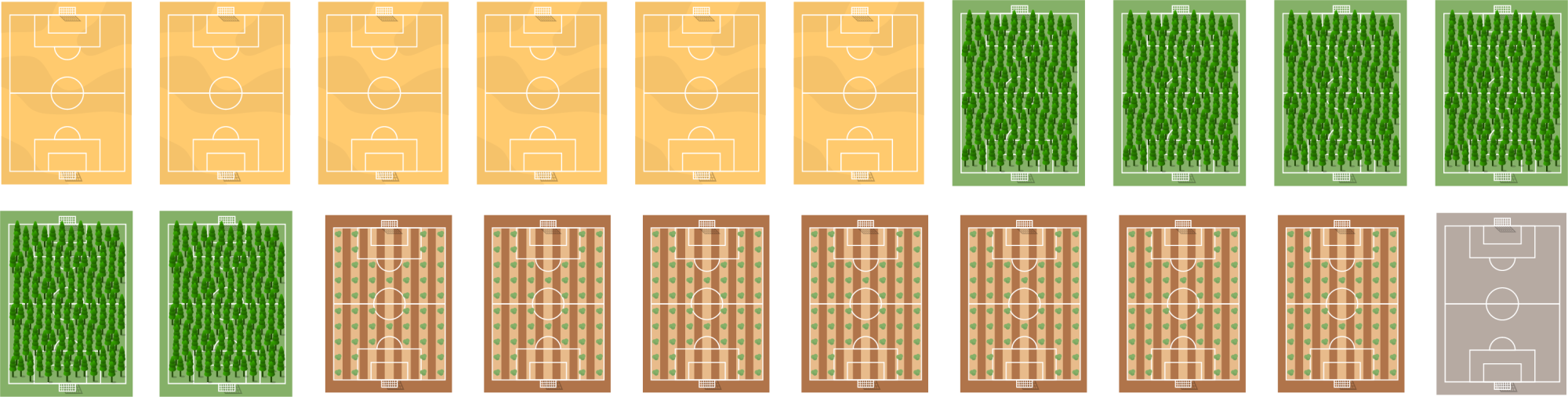
<p>&nbsp;</p>Just under 7 billion pitches are farms. And while the world needs more food to feed a fast-growing global population, agriculture is one of the leading causes of land degradation. (Experts say this means we need to farm and consume better.)


<img alt="Football pitches" data-entity-type="file" data-entity-uuid="994d5d33-f5fa-4400-b552-eb91d0cbf47f" height="507" src="https://cdn.unenvironment.org/inline-images/4%402x.png" width="2000" loading="lazy">
1 pitch=750 million hectares


<p>&nbsp;</p>Humans have “significantly altered” about 75 per cent of land, found <a href="https://files.ipbes.net/ipbes-web-prod-public-files/inline/files/ipbes_global_assessment_report_summary_for_policymakers.pdf">one landmark report</a>. That includes the felling of forests, the draining of wetlands and the expansion of cities.


<img alt="Football pitches" data-entity-type="file" data-entity-uuid="3748be82-d88a-42b0-9c0a-5efdfd01e9af" height="520" src="https://cdn.unenvironment.org/inline-images/5%402x.png" width="2000" loading="lazy">
1 pitch=750 million hectares


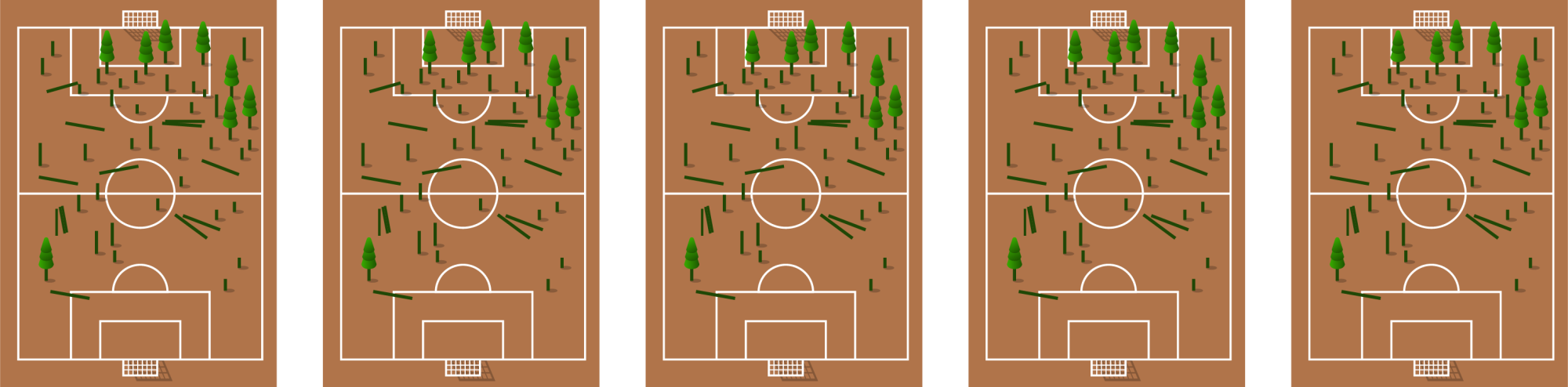
<p>&nbsp;</p>Up to 8 billion pitches worth of land – or 40 per cent – is officially classified as degraded, <a href="https://www.unccd.int/resources/global-land-outlook/glo2">according to estimates</a>. And every second, another <a href="https://www.unccd.int/sites/default/files/2025-05/DDD%20factsheet%20EN.pdf">four football fields </a>wither. This loss of productive lands affects 3 billion people, stokes climate change and feeds biodiversity loss.


<img alt="Football pitches" data-entity-type="file" data-entity-uuid="d08ed0ce-854c-494e-a1e8-c575bf64b978" height="520" src="https://cdn.unenvironment.org/inline-images/6%402x.png" width="2000" loading="lazy">
1 pitch=750 million hectares


<p>&nbsp;</p>Forests are among the hardest hit ecosystems. Between 2015 and 2025, even with tree-planting efforts, the total size of the world’s forests still shrank by over<a name="OLE_LINK2"> </a><a href="https://www.fao.org/newsroom/detail/global-deforestation-slows--but-forests-remain-under-pressure--fao-report-shows/en">50 million pitches</a>. Though, the rate of deforestation was less than half of what it was in 1990s.


<img alt="Football pitches" data-entity-type="file" data-entity-uuid="b0111374-ed0e-4211-938c-f83f2b986cab" height="494" src="https://cdn.unenvironment.org/inline-images/7%402x.png" width="2000" loading="lazy">
1 pitch=7.5 million hectares


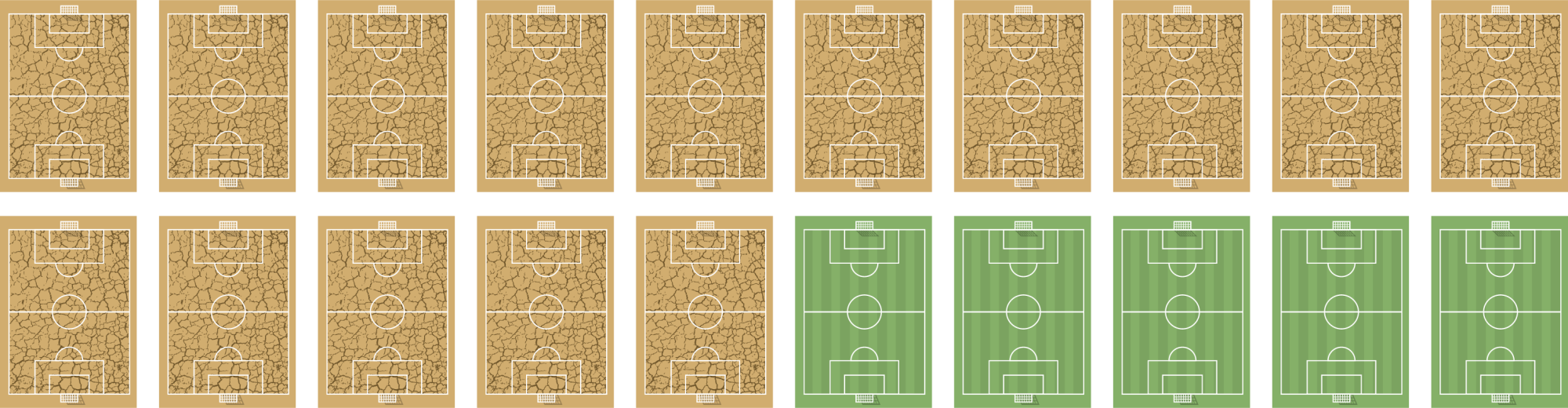
<p>&nbsp;</p>Some <a href="https://www.unccd.int/unccd-faq">70 per cent</a> of farmland is already degraded and threatened with desertification. Each year, the combined effects of land degradation, desertification, and drought cost the global economy US$878 billion annually.


<img alt="Football pitches" data-entity-type="file" data-entity-uuid="e977d0e2-56fc-4f1f-afe4-038c19098322" height="244" src="https://cdn.unenvironment.org/inline-images/8%402x.png" width="2000" loading="lazy">
1 pitch=7.5 million hectares


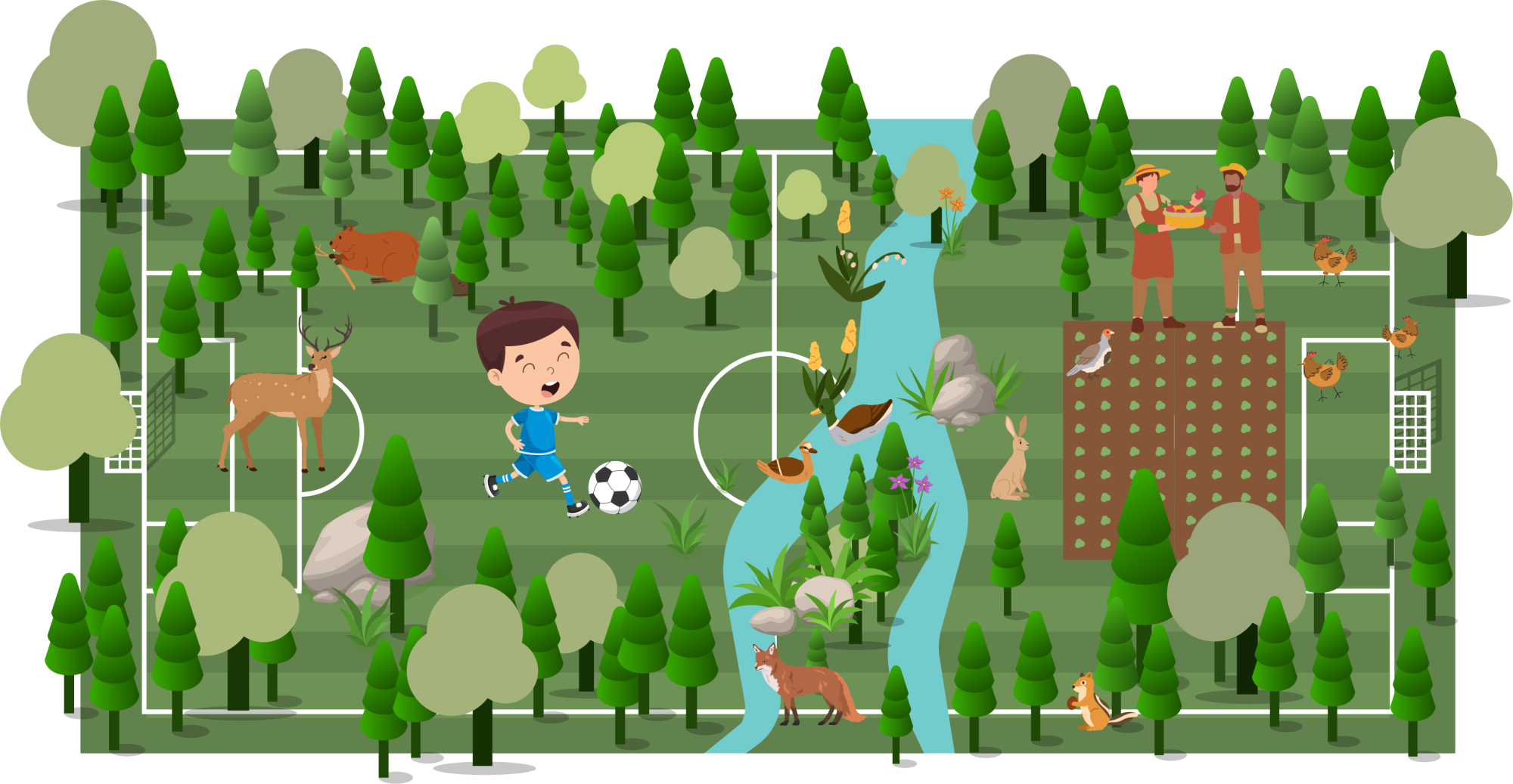
<p>&nbsp;</p><p>But there is a global movement afoot to set things right. Communities around the world – from the <a href="https://www.decadeonrestoration.org/terai-arc-landscape">plains of South Asia </a>, to the <a href="https://www.decadeonrestoration.org/central-american-dry-corridor">mountains of Central America </a>to <a href="https://www.decadeonrestoration.org/great-green-wall">the margins of the Sahara Desert </a>– are working feverishly to restore land-based ecosystems. Since the start of the <a href="http://www.decadeonrestoration.org/">UN Decade on Ecosystem Restoration </a>, hundreds of millions of hectares have been put <a href="https://ferm.fao.org/">under restoration</a>.</p>


<img alt="An illustration of a green football pitch" data-entity-type="file" data-entity-uuid="1116797b-f696-4308-9100-dbb0d8a5d2f6" height="1037" src="https://cdn.unenvironment.org/inline-images/9%402x.png" width="2000" loading="lazy">
UNEP


<p>That could be the tip of the iceberg. Countries have pledged to restore <a href="https://www.unep.org/interactive/ecosystem-restoration-people-nature-climate/en/index.php">1.4 billion football pitches </a>of degraded land, an area larger than China. Doing this, experts say, could create jobs, counter climate change, bolster food security, increase water supplies and make people healthier.</p><p>Reviving land is a massive undertaking – but one that can succeed with a whole-of-society approach where governments, the agricultural sector, other industries and civil society all pitch in. <a href="https://wedocs.unep.org/items/f90d4ea4-4581-4203-a789-47d2849a71a7">Read up on what everyone can do </a>to prevent, halt and reverse land and nature degradation.</p><p>&nbsp;</p><p><em>Written by Ann-Kathrin Neureuther</em></p><p><em>Reviewed by James Lomax, Julian Blanc</em></p>


]]></field_body><field_synopsis><![CDATA[<p>Climate change and destructive practices, like deforestation and agricultural sprawl, have left 40 per cent of Earth’s land degraded.</p>]]></field_synopsis><created><![CDATA[

<!-- THEME DEBUG -->
<!-- THEME HOOK: 'time' -->
<!-- BEGIN OUTPUT from 'themes/contrib/stable/templates/field/time.html.twig' -->
<time datetime="2026-07-01T16:30:13+03:00">2026-07-01 16:30:13</time>

<!-- END OUTPUT from 'themes/contrib/stable/templates/field/time.html.twig' -->

]]></created><field_article_type>Story</field_article_type><field_related_topics>Nature Action</field_related_topics><field_tags></field_tags></item><item key="1"><title>The hidden environmental cost of your jeans &#x2013; and what&#x2019;s being done about it</title><path>http://www.unep.org/news-and-stories/story/hidden-environmental-cost-your-jeans-and-whats-being-done-about-it</path><field_article_billboard_image>https://cdn.unenvironment.org/2026-06/55338512605_3c87109d33_k.jpg</field_article_billboard_image><photo_credit_url></photo_credit_url><photo_credit_title>Justin Jin/UNEP</photo_credit_title><field_body><![CDATA[


            <p>Few garments are as universal as a pair of jeans. Since 1873, when copper rivets were added to denim worker pants to strengthen the pockets, a design patented by businessman Levi Strauss, blue jeans have crossed borders, classes and generations. From farms to festivals to high-fashion runways, jeans are everywhere.</p><p>Despite their often-humble look, jeans are the product of an intricate global value chain. Behind each garment is a planet-spanning web of natural resource extraction, manufacturing and transport, not to mention product design and marketing.</p><p>“The complexity of what it takes to make one pair of jeans is mind-blowing,” said supermodel and United Nations Environment Programme (UNEP) Goodwill Ambassador Amber Valletta on a recent visit to a denim factory in Tunisia. “There are hundreds of hands that go into making one pair of jeans. It's incredible."</p>


<img data-entity-type="file" data-entity-uuid="01db85a8-ccfc-4416-86bc-b3d66cdaaa0a" height="1333" src="https://cdn.unenvironment.org/inline-images/55338512200_f604dafeaf_k_0.jpg" width="2000" loading="lazy">
<em>Denim is one of the garment industry’s most-resource-intensive products. A single pair of jeans can require 3,800 litres of water to produce. (Justin Jin/UNEP)</em>


<p>But can such a vast and complex system stay in line with environmental boundaries?</p><p>That is a question Valetta recently set out to answer in a new UNEP-produced documentary. She toured Tunisian denim factories to see sustainable manufacturing practices in action and speak with those leading the push for more planet-friendly jeans.</p><p>Fashion and textiles is among the world’s most polluting industries. It also <a href="https://www.unep.org/technical-highlight/sustainable-fashion-take-centre-stage-zero-waste-day">stokes climate change </a>and <a href="https://www.unep.org/annualreport/2025/stories/minimizing-fashions-environmental-footprint">consumes huge amounts </a>of natural resources. And denim is one of the industry’s most resource-intensive products. A single pair of jeans can require <a href="https://m.levistrauss.com/wp-content/uploads/2015/03/Fact-Sheet-for-LCA-FINAL.pdf">3,800 litres of water to produce, </a><a href="https://www.levistrauss.com/sustainability-report/climate/water-stewardship/">found the brand Levi’s</a>. Many jeans also need large quantities of energy and chemicals to achieve certain colours and special effects.</p>


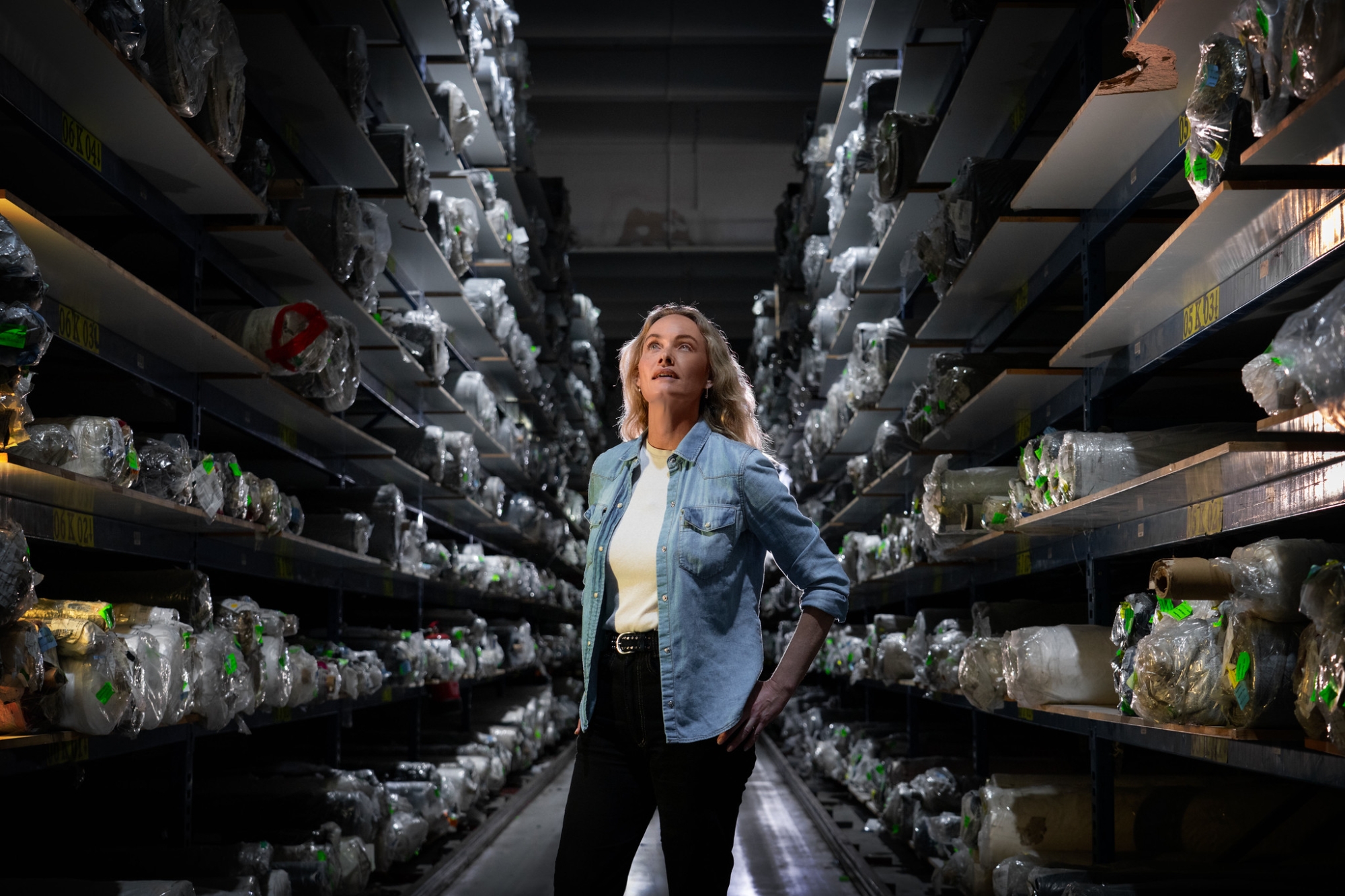
<img alt="A woman stands in an aisle of material" data-entity-type="file" data-entity-uuid="05f8f1b5-bb30-4ab6-844b-0fd628497f42" height="1333" src="https://cdn.unenvironment.org/inline-images/55338308869_1bc1c87721_k.jpg" width="2000" loading="lazy">
<em>Model and UNEP Goodwill Ambassador Amber Valetta toured Tunisian denim factories to see sustainable manufacturing practices in action. (Justin Jin/UNEP)</em>


<p>While much of the world’s denim is produced and manufactured in Asia, Tunisia is among the top suppliers of finished denim garments to the European Union (EU), holding about 8 percent of the market share last year. The North African nation’s proximity to Europe allows quick-turnaround times, which helps brands respond to the market and stay atop trends.</p><p>Tunisian manufacturers are regularly audited on EU rules and expectations, which have focused increasingly on traceability, transparency, durability and environmental performance.</p><p>“The industry now is under strong pressure,” said Bilel Ben Miled, Sustainability Manager at Gonser Group near Tunis, two factories of which were featured in the film. “Brands, customers, final consumers and even governments are demanding sustainable products with low impact.”</p>


<img alt="A closeup of a phone" data-entity-type="file" data-entity-uuid="39c88f33-f17a-4c7d-ad06-7546f184440a" height="1333" src="https://cdn.unenvironment.org/inline-images/55338246508_6921ca9c80_k.jpg" width="2000" loading="lazy">
<em>Digital product passports, soon to be required by the European Union, will disclose where a garment comes from, what it contains and whether it can be recycled. (Justin Jin/UNEP)</em>


<p>This pressure is often a chain-reaction: governments mandate environmental requirements from brands, and brands then push their suppliers to meet those standards, lest they switch to manufacturers that can.</p><p>At Gonser Denim Revolution (GDR), sustainability has increased over time through a series of improvements. For example, chemicals such as potassium permanganate and hypochlorite, long used to create certain denim effects, are being phased out in favour of safer alternatives that can deliver similar results with less environmental impact.&nbsp;</p><p>Critically, water used to wash the jeans at various points in the production process is treated and recycled. This and other technological improvements can help reduce the amount of water used in a single pair of jeans by 75 per cent, Ben Miled said. That is especially important in <a href="https://www.fao.org/in-action/drought-portal/preparedness/vulnerability-and-impact-assessment/national-case-studies/tunisia/en">a country prone to extended droughts</a>.</p>


<img alt="A man spraying dye on jeans" data-entity-type="file" data-entity-uuid="cc394789-f471-4e22-86a7-a670cd343e16" height="1333" src="https://cdn.unenvironment.org/inline-images/55338308724_88ef6c5e46_k.jpg" width="2000" loading="lazy">
<em>Jean makers in Tunisia are cutting down on the chemicals they use during manufacturing amid new standards set by the European Union, a key export market. (Justin Jin/UNEP)</em>


<p>Meanwhile, another manufacturer, DEMCO, has also started using machinery that washes jeans with ozone gas or minimal amounts of ozonized water to bleach or fade denim. It reduces about 90 percent of the water used, said Johnny De Miersman, the company’s founder and CEO.</p><p>The challenge is to find processes that achieve the same quality “without creating problems for the environment or for the person who will wear the garment,” De Miersman explained.</p><p>This is where UNEP’s <a href="https://www.unep.org/intex">InTex</a> programme comes in. Funded by the European Union and the Government of Denmark, and part of the UNEP Textile Initiative, InTex works with small and medium-sized enterprises in textile-producing countries to support their sustainability and circularity. The initiative helps factories collect and analyze operational data to better understand where environmental impacts are occurring most and what practical interventions can create the most measurable improvements.</p>


<img alt="A man stands in front of a machine" data-entity-type="file" data-entity-uuid="44b7577f-3831-465f-a60a-9698bcd8da2d" height="1333" src="https://cdn.unenvironment.org/inline-images/55337169252_651e0e4696_k.jpg" width="2000" loading="lazy">
<em>Tunisian manufacturers are regularly audited on EU rules and expectations, which have focused increasingly on traceability durability and environmental performance. (Justin Jin/UNEP)</em>


<p>For Ben Miled, InTex-supported life-cycle assessments helped turn sustainability from a broad ambition into an action plan. “With this, we know where we can improve the environmental impact, where we can reduce our footprint,” he said.</p><p>While GDR and DEMCO have had sustainability embedded into their philosophies since their inception, for many factories, the transition to producing cleaner and greener is being driven largely by policy. The European Union is advancing new rules that will come into effect in 2027 and 2028, including eco-design requirements and digital product passports, which document the sustainability of materials used in garment manufacturing. Ultimately, this promotes transparency, showing consumers what it is they’re really buying.</p>


<img alt="A man and woman stand near a pool of water" data-entity-type="file" data-entity-uuid="a646ae47-dd7a-4b00-81b0-4e908f539d00" height="1333" src="https://cdn.unenvironment.org/inline-images/55338511665_436c45c93a_k.jpg" width="2000" loading="lazy">
<em>Wastewater treatment plants at factories &nbsp;ensure the majority of water used in finishing processes is recycled back into the factory. (Justin Jin/UNEP) </em>


<p>“The digital product passport is pushing us to document everything about a garment, from the fibre, the composition, the wash, even traceability about recycling and everything that comes after,” explained Alison De Miersman, DEMCO’s creative director. In a demonstration, she showed Valletta a QR code on a garment revealing where the cotton, buttons, rivets and thread came from.</p><p>At DEMCO, sustainability is not just about what happens on the factory floor. It starts much earlier: on the design board. Along with exploring the use of recycled fibers, the company is looking into eco-friendly choices for things like buttons, thread and pocket linings. While often unnoticed by consumers, these choices can determine whether a pair of jeans lasts longer, uses less resources, contains safer chemicals and can be more easily recycled.</p><p>“We have the potential to revolutionize the industry and change it systemically,” Valletta said.</p>


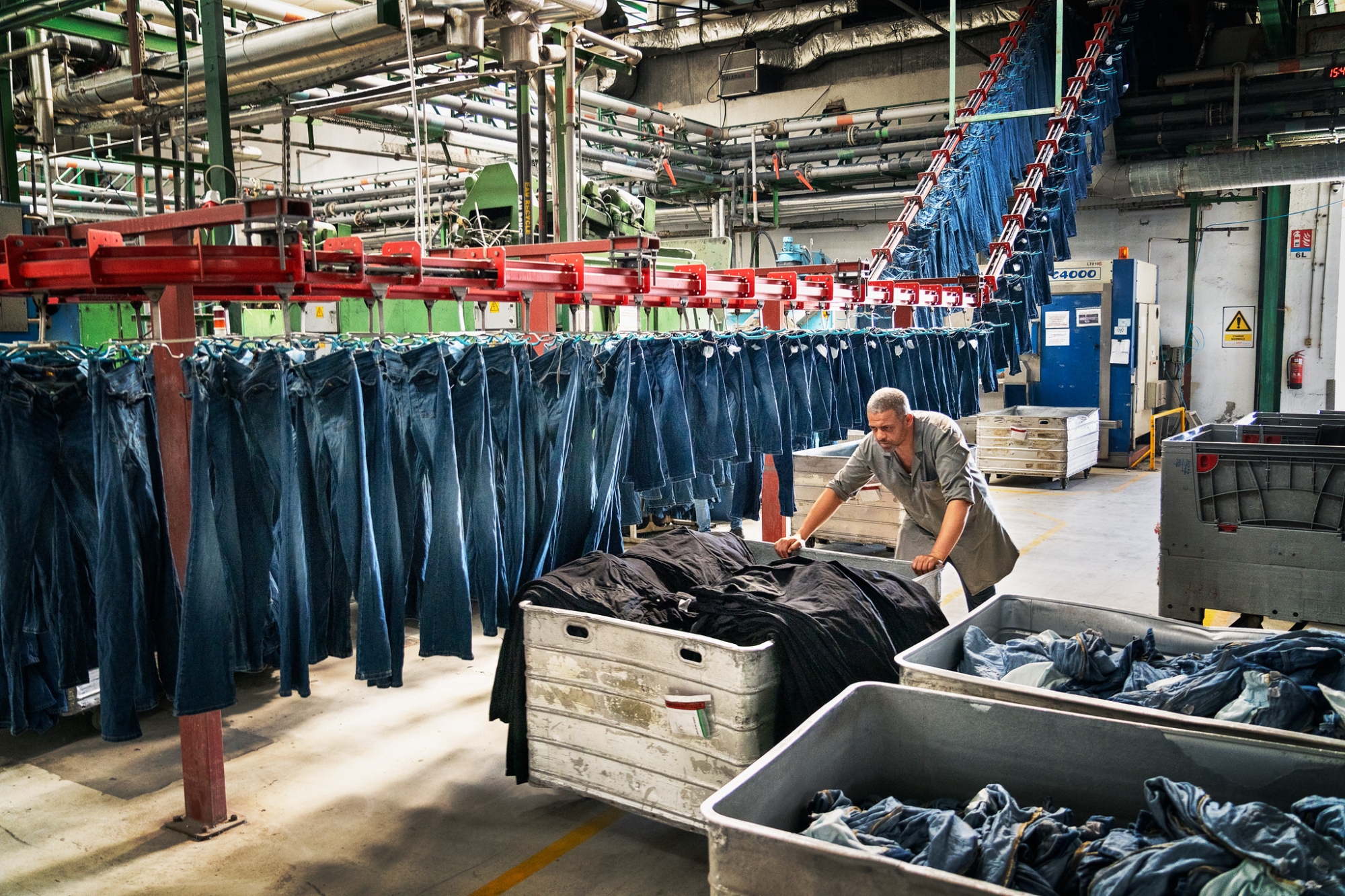
<img alt="A man pushing a car full of jeans" data-entity-type="file" data-entity-uuid="4605c0f1-d8c8-4173-8f69-37922c7a40c9" height="1333" src="https://cdn.unenvironment.org/inline-images/55338096636_ad4429f45b_k.jpg" width="2000" loading="lazy">
<em>While consumers can play a role in that by demanding more sustainable denim, governments and industry must lead the charge towards sustainability, say experts. (Justin Jin/UNEP)</em>


<p>While consumers can play a role in that by demanding more sustainable denim, governments and industry must lead the charge, said Claudia Giacovelli, who heads UNEP’s InTex programme.</p><p>“Governments must set clear rules for sustainability,” she said. “Brands must design with sustainability and circularity in mind, while supporting suppliers as they transition away from harmful environmental practices. And manufacturers must continue investing in cleaner technologies and smarter production processes.”</p><p>Industry players say the sustainability of denim will ultimately be shaped by a myriad of choices across the value chain in the coming years. As that process plays out, Valetta said it is important to remember that every garment comes with an environmental cost and that even the simplest t-shirt should not be viewed as disposable.</p><p>“It came from the Earth,” she said. “There were a lot of hands that went into making it and a lot of different processes. It travelled all over the world just to get to you and your closet.”</p><p><em>Written by Gabrielle Lipton</em></p><p><em>Reviewed by Claudia Giacovelli, Bettina Heller, Elisa Tonda&nbsp;</em></p>


]]></field_body><field_synopsis><![CDATA[<p>Supermodel and UNEP Goodwill Ambassador Amber Valetta travels to Tunisia, where denim manufacturers are striving to lighten their environmental footprint.</p>]]></field_synopsis><created><![CDATA[

<!-- THEME DEBUG -->
<!-- THEME HOOK: 'time' -->
<!-- BEGIN OUTPUT from 'themes/contrib/stable/templates/field/time.html.twig' -->
<time datetime="2026-06-29T23:55:19+03:00">2026-06-29 23:55:19</time>

<!-- END OUTPUT from 'themes/contrib/stable/templates/field/time.html.twig' -->

]]></created><field_article_type>Story</field_article_type><field_related_topics><![CDATA[Chemicals &amp; pollution action]]></field_related_topics><field_tags></field_tags></item><item key="2"><title>Growing leadership and momentum on environmental action</title><path>http://www.unep.org/news-and-stories/speech/growing-leadership-and-momentum-environmental-action</path><field_article_billboard_image>https://cdn.unenvironment.org/2026-06/55358402780_c992ff01f7_k.jpg</field_article_billboard_image><photo_credit_url></photo_credit_url><photo_credit_title>Credit: UNEP</photo_credit_title><field_body><![CDATA[


            <p>Your Excellency, Sultan Hajiyev, Chair of the Committee of Permanent Representatives,</p><p>Ambassadors and colleagues. Welcome to the 174th meeting of the <a href="https://www.unep.org/cpr">Committee of Permanent Representatives (CPR)</a>.</p><p>Let me also echo the Chair in sharing our deep condolences to the government of the Philippines following deadly earthquakes earlier this week, and to the government and people of Venezuela following yesterday’s devastating earthquakes. The UN is on the ground in Venezuela supporting recovery efforts, and our thoughts are with all those impacted by these tragedies.</p><p>It is with the heaviest of hearts that I also share the news that our dear colleague,&nbsp;Tessa Goverse, has passed away in Geneva whilst on mission. Many of you know Tessa, a much-loved member of the Industry and Economy Division, a brilliant manager and a caring colleague.</p><p>Tessa was deeply committed to UNEP for over 20 years and served as Head of the Interim Secretariat of the <a href="https://www.unep.org/isp-cwp">Intergovernmental Science-Policy Panel on Chemicals, Waste and Pollution (ISP-CWP)</a> – a Panel she played a critical role in delivering and on which I know many of you worked with her.</p><p>UNEP is better off for having Tessa’s leadership and expertise – and so is the world. Her legacy will continue and help ensure a safer, more sustainable future for everyone.&nbsp;We are thinking of her husband, family and loved ones during this heartbreaking time.&nbsp;</p><p>Excellencies,</p><p>We are gathering at a time when many nations of the world have suffered, are suffering or are about to suffer extreme temperatures. The World Meteorological Organization has warned that a particularly strong El Niño could, in the coming months, supercharge these climate change-driven extremes – threatening lives, harvests, property and more.</p><p>As the UN Secretary-General said in his speech at London Climate Action Week, the world is facing not just a climate crisis, but an energy crisis that exposes the risks of global reliance on fossil fuels and the vulnerable global supply chains that deliver them.</p><p>The solution to both crises is to accelerate the transition to net zero. This includes taking strong and rapid action to reduce methane emissions in the fossil fuel, agriculture and waste sectors, as outlined in the Secretary-General’s just-released Call to Action on Methane, to which UNEP contributed.This is why UNEP focused minds on climate action during <a href="https://www.worldenvironmentday.global/">World Environment Day (WED)</a>. This year’s event impactful celebration, hosted by Azerbaijan in Baku, delivered the message that urgent climate action can prevent millions of deaths and trillions in economic losses, and drive growth, jobs, resilience and investment. My deep thanks to Azerbaijan for the wonderful celebrations they organized in beautiful Baku.</p><p>On June 5, many political leaders stepped up with messages of strong support. The campaign trended globally on social media, reaching over 90 million people. More than&nbsp;55,000 news articles&nbsp;mentioning WED&nbsp;were published&nbsp;across&nbsp;176&nbsp;countries. And 58 cities made concrete pledges to deal with extreme heat. Through the 50@50 activation, these cities turned the Beat the Heat Implementation Drive into action: engaging communities from Barranquilla to Lagos and Tokyo with campaigns on extreme heat and sustainable cooling. Sixteen cities will conduct heat stress tests over the next 12 months.</p><p>UNEP also took the opportunity to launch the policy brief ‘<a href="https://wedocs.unep.org/items/e287f9a0-9c47-432b-9476-cbb726f40478"><em>Cheaper. Cleaner. Unstoppable</em></a><em>’</em>, which shows that clean solutions across energy, transport, buildings and cooling are cost‑competitive, scaling rapidly and offering policymakers options for a resilient, equitable and climate‑safe future.</p><p>So, momentum for climate action is growing. Not just because of what happened on WED. We saw a significant step in the UN General Assembly resolution backing the International Court of Justice’s ruling that nations have a legal obligation to protect people and planet from greenhouse gas emissions. It is now up to all of us to turn this momentum into accelerated action.</p><p>Excellencies,</p><p>In the last few months, we also saw Central Asian nations increasingly emerging as leaders in the fight against climate change, nature and biodiversity loss, land degradation and desertification, and pollution and waste.</p><p>Uzbekistan hosted the Global Environment Facility (GEF) Assembly in Samarkand, in early June. Under the theme “last sprint toward 2030”, the Assembly brought together over 2,000 participants from governments, civil society, Indigenous Peoples, youth and the private sector to reflect on the achievements of the GEF partnership and celebrate the US$ 3.9 billion – a number that will likely grow – GEF-9 Replenishment.</p><p>The GEF-9 replenishment package also included structural reforms. Integrated programmes, blended finance, whole-of-government and whole-of-society engagement and strengthened support for vulnerable countries are all designed to make GEF faster, simpler and more accountable. UNEP – with its unique role in converging science, policy and partnerships to support countries – welcomes these reforms and looks forward to a stronger partnership. Thirty-five years after its creation, the need for a strong GEF has never been more important.</p><p>In April, on Earth Day, Kazakhstan hosted the <a href="https://eur02.safelinks.protection.outlook.com/?url=https%3A%2F%2Fwww.instagram.com%2Fp%2FDXy6wjcjZTV%2F%3Fimg_index%3D1&amp;data=05%7C02%7Cmichael.logan%40un.org%7C6cfeb9d527704241bdfb08deaaa36dc4%7C0f9e35db544f4f60bdcc5ea416e6dc70%7C0%7C0%7C639135816246280669%7CUnknown%7CTWFpbGZsb3d8eyJFbXB0eU1hcGkiOnRydWUsIlYiOiIwLjAuMDAwMCIsIlAiOiJXaW4zMiIsIkFOIjoiTWFpbCIsIldUIjoyfQ%3D%3D%7C0%7C%7C%7C&amp;sdata=ffhsDCm9kSRtB6wPKRs7%2FRpk6ko%2FTLQF3YU3C3C5d0o%3D&amp;reserved=0">Regional Ecological Summit</a> in Astana. At the Summit,&nbsp;<a href="https://eur02.safelinks.protection.outlook.com/?url=https%3A%2F%2Fwww.instagram.com%2Freel%2FDXhGrBKiBuJ%2F%3Futm_source%3Dig_web_copy_link%26igsh%3DMzRlODBiNWFlZA%3D%3D&amp;data=05%7C02%7Cmichael.logan%40un.org%7C6cfeb9d527704241bdfb08deaaa36dc4%7C0f9e35db544f4f60bdcc5ea416e6dc70%7C0%7C0%7C639135816246332152%7CUnknown%7CTWFpbGZsb3d8eyJFbXB0eU1hcGkiOnRydWUsIlYiOiIwLjAuMDAwMCIsIlAiOiJXaW4zMiIsIkFOIjoiTWFpbCIsIldUIjoyfQ%3D%3D%7C0%7C%7C%7C&amp;sdata=ssY5YqH3hGPYOLylloLEy%2FgHp2ee6HxrqIRf%2FfqGxNs%3D&amp;reserved=0">where UNEP was a proud UN partner</a>, three messages stood out: shared challenges present shared opportunities; circularity must shape future pathways; and stronger regional collaboration is essential to protect biodiversity. I was also pleased to sign a&nbsp;<a href="https://eur02.safelinks.protection.outlook.com/?url=https%3A%2F%2Fbsky.app%2Fprofile%2Fingerandersen.bsky.social%2Fpost%2F3mkcp2fxzg225&amp;data=05%7C02%7Cmichael.logan%40un.org%7C6cfeb9d527704241bdfb08deaaa36dc4%7C0f9e35db544f4f60bdcc5ea416e6dc70%7C0%7C0%7C639135816246313332%7CUnknown%7CTWFpbGZsb3d8eyJFbXB0eU1hcGkiOnRydWUsIlYiOiIwLjAuMDAwMCIsIlAiOiJXaW4zMiIsIkFOIjoiTWFpbCIsIldUIjoyfQ%3D%3D%7C0%7C%7C%7C&amp;sdata=KCnqgaiIMk5m0O3X0Q7XUipTZ6FqXzROU9GL3fh4PL8%3D&amp;reserved=0">Memorandum of Understanding</a>&nbsp;with Kazakhstan, which expands Kazakhstan’s support to UNEP and expands UNEP’s regional presence through our sub-regional office in Almaty.</p><p>I am deeply grateful to all Central Asian nations for the leadership and look forward to deeper engagement.</p><p>Excellencies,</p><p>In the last few months, we have also seen strong leadership from African nations, particularly Kenya. The Africa Forward Summit, co-hosted by Kenya and France in Nairobi this May, showed how African nations are building partnerships that strengthen economies, value natural resources and drive innovation.&nbsp;<a href="https://eur02.safelinks.protection.outlook.com/?url=https%3A%2F%2Fwww.linkedin.com%2Fposts%2Fanderseninger_africaforwardsummit-saveouroceans-activity-7461036683992588288-fQFH%3Futm_source%3Dshare%26utm_medium%3Dmember_desktop%26rcm%3DACoAAELOYqwBnppuIantom60tGlDsMpW1JBhSbc&amp;data=05%7C02%7Cmichael.logan%40un.org%7C3bd2b5641d1a44df07f008dec55bb5fa%7C0f9e35db544f4f60bdcc5ea416e6dc70%7C0%7C0%7C639165195072835876%7CUnknown%7CTWFpbGZsb3d8eyJFbXB0eU1hcGkiOnRydWUsIlYiOiIwLjAuMDAwMCIsIlAiOiJXaW4zMiIsIkFOIjoiTWFpbCIsIldUIjoyfQ%3D%3D%7C0%7C%7C%7C&amp;sdata=JGf5ucl4snAJZIibvuUtwUKw%2BNhkr%2BbS0ucXcQ3tyM0%3D&amp;reserved=0">A sustainable blue economy</a>&nbsp;was a key item on the agenda, and I was pleased to join Ministers and Heads of State for a valuable discussion on the opportunities ahead as we strive to protect our oceans.</p><p>And just last week, both the eleventh Our Oceans Conference and the observance of World Desertification and Drought Day took place, in Mombasa and Kilifi – one looking out to the sea and the other looking inland at land degradation.</p><p>At the Our Oceans conference, it was my pleasure to engage with African ministers on ocean governance for a blue economy – discussing how integrated governance, stronger finance and fast implementation of the BBNJ Agreement can boost Africa’s Blue Economy, delivering increased food security, livelihoods, biodiversity and resilience to climate change.</p><p>At World Desertification and Drought Day, the focus was on rangelands and the need to recognize, respect and restore these vast landscapes, which cover more than half of the Earth’s land surface. They sustain millions of pastoralist livelihoods, biodiversity, water security, cultural identity and resilience. But they are fragile. We must ensure their survival so they can sustain and support communities for generations to come.</p><p>At UNEP we are working to ensure that our data systems are methodically tagging our investments in Desertification, Land Degradation and Drought (DLDD) across the world. The&nbsp;purpose is to&nbsp;provide&nbsp;a consistent portfolio view for DLDD reporting while avoiding a complex or burdensome data collection process. We also plan to use this to engage further with countries and agencies to inform our investments pipelines in DLDD with additional data on investments related to sand and dust storms.</p><p>Excellencies,</p><p>UNEP is continuing to reshape under our new Medium-Term Strategy and Programme of Work to support nations as they face up to the many challenges confronting the world.</p><p>On the admin and operational front, we are working towards faster implementation and greater efficiency with standardized templates, faster concept approvals, decision-ready datasets and dashboards for our programmes, and stronger partnerships.</p><p>We are working towards being smarter with an updated resource mobilization strategy. We are a normative entity but we are also in the finance space, and we will seek to locate ourselves in the value chain for blended finance, where UNEP can underscore our years of experience in ensuring enabling fiscal policy, bankable pipelines and advising countries on credible measurement and integrated policies that consider people and planet. We greatly appreciate the helpful comments received in the consultation on June 11, 2026, and look forward to presenting the strategy to the Annual Subcommittee.</p><p>And we are constantly striving, responding to country needs while ensuring agile support to regional offices. Our project due diligence system is strong, transforming the way we design, learn and incorporate science into our programmes, and use measurement to inform it. Our data systems and dashboards are showing us decision-grade data, while ensuring that we are gathering data on leverage, value for money and impact. These represent important operational strengths for UNEP.</p><p>We at UNEP are also working hard on increasing regional diversity. Our staff representation is now as follows: 19 per cent African group, 22 per cent Asia Pacific, 7 per cent Eastern Europe, 11 per cent Latin American and Caribbean, 4 per cent US and 37 per cent Western European and Other States.</p><p>UNEP is also playing a key role in the UN80 Initiative, leading on Work Package 27 on the environment together with the UNFCC. It was my pleasure to brief you on this last Friday. As we move into the next stage of the UN80 Initiative, your feedback was extremely timely.</p><p>I am mindful that the Work Package 27 draft recommendations still require further details. We will work on this as we advance towards August, when the Secretary-General will be expected to present an Information Brief on this work package.</p><p>Ultimately, some decisions will lie within the UN entities’ own authority – and where they do, the Secretary-General is mobilizing the UN system to act, keeping Member States fully informed. There will be areas where Member States’ decisions will be needed if Members States choose to pursue a specific recommendation – either through the UN Environment Assembly (UNEA), the General Assembly or the Conferences of the Parties as it relates to Multilateral Environmental Agreements.</p><p>In the meantime, I look forward to briefing your counterparts in New York on Monday. I also very much look forward to a deeper conversation with you at the Annual Subcommittee in September on this Work Package and the broader array of innovations coming out of UN80.</p><p>As the Secretary-General has said, you, Member States, “have recognized that the case for reform is robust. And as the ones driving the UN80 Process, [Member States] will craft its key outcomes.” We at the Secretariat will be there to support you as we navigate to the ultimate destination.</p><p>As part of the efforts to strengthen UNEP, we have also been looking at the Joint Inspection Unit (JIU) recommendation that UNEA should, at its eighth session in 2027 at the latest, clarify the mandate and role of the CPR as its intersessional body and examine the frequency of its formal meetings, as appropriate.</p><p>The CPR Bureau has agreed to discuss the scope of the exercise with regional groups and come back to the CPR for further discussion. This is an important issue, but I ask that you think about the previous CPR-based review – which was started by Member States in March 2019 with the adoption of UNEA decision 4/2 and ended in March 2022 with the adoption of decision 5/2 – and think carefully about resource constraints as you consider starting new processes.</p><p>On the issue of resources, I would like to thank the 45 Member States who have contributed to the Environment Fund this year to date, in particular the 33 Member States, or 73 per cent of all contributors, who did so at full share level. I call on all remaining Member States to provide their support as soon as possible.</p><p>As I have said many times, the Environment Fund is UNEP’s financial backbone. It enables us to navigate the ship in the direction you have set and make good on your expectations. We will dig deeper into what motivates and challenges Member States to contribute to UNEP, and the Environment Fund in particular, at the Annual Subcommittee meeting. I hope that by then, most of you can engage in this discussion knowing that your contribution has already been provided.</p><p>Finally, Excellencies, the UN Secretary-General has welcomed the peace deal between the United States and Iran, which constitutes a critical step towards a peaceful settlement of the Middle East conflict. UNEP continues to work with the UN system to keep the environmental situation in the region under review.</p><p>In addition to contamination from oil spills, fires and damaged infrastructure, the conflict has exacerbated longstanding environmental challenges, including water scarcity and marine pollution. Serious risks remain, with widespread damage and numerous ships still waiting to transit the Strait of Hormuz. Multilateral organizations continue to play critical, coordinated roles towards the management of risks to people and the environment.</p><p>My thanks again for your commitment and engagement with UNEP in this period, when the environmental agenda has never been more prominent or more important.</p>


]]></field_body><field_synopsis><![CDATA[<p>Climate and energy crises urgent, need net zero shift and methane cuts as global momentum rises to protect people and planet says Inger Andersen, UNEP Executive Director</p>]]></field_synopsis><created><![CDATA[

<!-- THEME DEBUG -->
<!-- THEME HOOK: 'time' -->
<!-- BEGIN OUTPUT from 'themes/contrib/stable/templates/field/time.html.twig' -->
<time datetime="2026-06-26T11:15:55+03:00">2026-06-26 11:15:55</time>

<!-- END OUTPUT from 'themes/contrib/stable/templates/field/time.html.twig' -->

]]></created><field_article_type>Speech</field_article_type><field_related_topics>Nature Action</field_related_topics><field_tags>Coastal and Marine Ecosystems, Pollution, Sustainable Development</field_tags></item><item key="3"><title>UNEP, partners ramp up efforts to address major methane leaks as UN chief urges rapid cuts</title><path>http://www.unep.org/news-and-stories/press-release/unep-partners-ramp-efforts-address-major-methane-leaks-un-chief</path><field_article_billboard_image>https://cdn.unenvironment.org/2026-06/Satellite%20Image.png</field_article_billboard_image><photo_credit_url>https://pixabay.com/illustrations/satellite-space-stars-globe-1757979/</photo_credit_url><photo_credit_title>Photo credit: Pixabay</photo_credit_title><field_body><![CDATA[


            <p><strong>London, 23 June 2026</strong>— The UN Environment Programme (UNEP) and Bloomberg Philanthropies today announced efforts to help countries raise their response rate to major methane leaks around the world to 80 percent by 2030, ensuring that the causes of emissions seen from space are investigated and put on a path to mitigation. To date, only 10 early moving countries have achieved an 80 percent response rate.</p><p>The announcement follows UN Secretary-General António Guterres’&nbsp;<a href="https://www.un.org/sites/un2.un.org/files/unsg_call_action_methane_by-2030_publication.pdf">call for urgent action</a> to scale up methane mitigation, which underscores the importance of rapid reductions this decade across major emitting sectors – the fossil fuel sector offers the fastest and most cost-effective opportunity for cuts.</p><p>With support from Bloomberg Philanthropies, UNEP will strengthen and expand the International Methane Emissions Observatory (<a href="http://unep.org/imeo">IMEO</a>) and its flagship Methane Alert and Response System (<a href="http://unep.org/mars">MARS</a>), allowing countries and companies to accelerate mitigation from the world’s largest methane sources — so-called “super‑emitters.”&nbsp;</p><p>“Carbon dioxide remains the principal driver of long-term warming. But it is also time to prioritize the cutting of methane,” said António Guterres, United Nations Secretary-General. “Aggressive cuts could produce visible temperature relief within a generation. UNEP’s Methane Alert and Response System has issued more than 5,000 alerts across 33 countries.”</p><p>These efforts will significantly expand engagement with governments and operators by:</p><ul><li data-list-item-id="ee85e49fc586013beee72532b00ba9fc7">Convening regional partners and building national capacity to interpret and respond to super-emitter alerts.&nbsp;</li><li data-list-item-id="e116736476fe13d886b2f738a0b0529c0">Facilitating private sector uptake of MARS data via UNEP’s <a href="https://ogmpartnership.com">Oil and Gas Methane Partnership 2.0</a>, including targeted support to key national oil and gas companies.</li><li data-list-item-id="e11911c4e63a47fb1c689f47ffe2a53da">Enhancing the transparency, accessibility, and usability of methane emissions data through IMEO's <a href="https://methanedata.unep.org">Eye on Methane data platform</a>.</li></ul><p>“Cutting methane emissions is one of the most important steps we can take to tackle climate change – and one of the most simple and cost-effective, too,” said Michael R. Bloomberg, UN Special Envoy on Climate Ambition and Solutions and founder of Bloomberg L.P. and Bloomberg Philanthropies. “We have the data we need to stop methane leaks, and now we are helping countries turn that data into faster, bolder action.”</p><p>This work builds on IMEO’s recent&nbsp;<a href="https://www.unep.org/news-and-stories/press-release/satellite-methane-alerts-expanded-coal-and-waste-sectors-unep">expansion of MARS alerts</a> to the coal and waste sectors, publication of a&nbsp;<a href="https://www.iea.org/reports/responding-to-satellite-notifications-from-the-methane-alert-and-response-system">MARS response blueprint</a> with the International Energy Agency, and its plans to integrate data from additional satellite missions such as&nbsp;<a href="https://www.prnewswire.com/news-releases/carbon-mapper-and-international-methane-emissions-observatory-collaborate-to-scale-up-oil-and-gas-methane-mitigation-302804383.html">Carbon Mapper</a>. Translating these efforts into rapid mitigation globally requires political, technical, and financial support from governments, industry, and philanthropic partners.</p><p>Methane causes about a third of today’s global warming, but because it does not stay in the atmosphere for long, cutting it now can bring quick climate benefits. Large methane leaks —so called super‑emitters — are some of the easiest and cheapest places to reduce emissions, often by making simple fixes at low or no cost. MARS provides near real-time detection of major methane emissions using independent satellite data. Alerts are issued to countries and operators, who are then encouraged to investigate, share information, and act.&nbsp;</p><p>“We can now see methane pollution as it happens, in near real-time, from space,” said Inger Andersen, Executive Director of UNEP. “With this capability, inaction is not an oversight — it is a choice. Countries and operators must act. UNEP will ensure they have the data and technical support to make informed decisions, including through direct engagement with those whose ability and opportunity to act is greatest, including national oil companies.”</p><p>Since its launch in 2023, MARS has demonstrated its potential to drive rapid mitigation – with&nbsp;<a href="https://www.unep.org/topics/energy/methane/mars-case-studies">over 40 verified</a> mitigations across 10 countries showing that satellite data can trigger solutions in diverse contexts. In Algeria, for example, a MARS alert led to the repair of a decades‑long leak that had the near‑term equivalent impact of taking half a million cars off the road each year.</p><p>Yet the rapid expansion of MARS detection and alerts has met uneven responses from countries positioned to act on the ground. Globally, only 13 per cent of MARS alerts currently receive a response (i.e., when an alert is investigated and information is sent back to UNEP). Stronger commitment from government and operators is essential to close this response gap, and the efforts announced today are intended to ensure countries are positioned to seize this mitigation opportunity.&nbsp;</p><p>“Satellites give us clarity,” UNEP’s Executive Director added. “Now we must match clarity with action.”</p><p><em><strong>ADDITIONAL QUOTES&nbsp;</strong></em></p><p>“The world can now identify major methane emissions with an unprecedented level of transparency. This creates a new opportunity for governments and operators to investigate emissions sources, strengthen accountability and accelerate mitigation efforts. France calls on all stakeholders to engage actively with trusted scientific data, including through UNEP’s International Methane Emissions Observatory, so that greater visibility leads to faster action and real emissions reductions."<strong>Monique Barbut, Minister for Ecological Transition, Biodiversity and International Climate and Nature Negotiations, France</strong></p><p>“Rapid methane reductions are essential in the fight against climate change, and better data is helping drive more effective action. Tools like the Methane Alert and Response System are improving transparency and helping governments and industry identify opportunities for faster mitigation. As a co-convenor of the Global Methane Pledge, Canada supports continued international cooperation to translate methane data into real-world emissions reductions while ensuring industries remain competitive.” <strong>Julie Dabrusin, Minister of the Environment, Climate Change and Nature, Canada</strong></p><p>"Methane reduction is one of the quickest and most cost-effective ways to slow global warming. As transparency on methane emissions improves globally, we have an opportunity — and the responsibility — to translate better data into faster action. Initiatives such as UNEP’s International Methane Emissions Observatory and its Methane Alert and Response System are key to provide the trusted evidence needed to drive accountability, inform policy, and accelerate emissions reductions across sectors." <strong>Dan Jørgensen, European Commissioner for Energy and Housing</strong></p><p>“Access to credible methane data is critical to supporting effective climate action, particularly in developing economies where capacity and investment gaps remain significant. International partnerships that strengthen technical capability, improve transparency and support implementation can help countries accelerate methane mitigation while advancing sustainable development priorities.”<strong> Tenioye Majekodunmi, Director-General of National Council on Climate Change, Nigeria</strong></p><p>“Brazil is increasingly positioning itself as one of the main oil producers. This activity is carried out sustainably, acting responsibly through a robust operational safety management system and observing best practices for reducing greenhouse gas emissions. Greenhouse gas emissions from the exploration and production sector in Brazil represent less than 1% of the total, but even so, the Ministry of Mines and Energy has implemented a public policy to further reduce these emissions. That is why we fully support advances in satellite methane monitoring technology, such as MARS, so that the world can continuously improve methane reduction.” <strong>Alexandre Silveria, Minister of Mines and Energy, Brazil</strong></p><p><strong>NOTES TO EDITORS</strong><strong>About the UN Environment Programme (UNEP)</strong>UNEP is the leading global voice on the environment. It provides leadership and encourages partnership in caring for the environment by inspiring, informing and enabling nations and peoples to improve their quality of life without compromising that of future generations.&nbsp;</p><p>UNEP is at the forefront of methane emissions reduction in line with the&nbsp;<a href="https://unfccc.int/process-and-meetings/the-paris-agreement/the-paris-agreement">Paris Agreement</a> goal of keeping global temperature rise well below 2°C. UNEP’s work revolves around two pillars: data and policy. UNEP supports companies and governments across the globe to use its unique global database of empirically verified methane emissions to target strategic mitigation actions and support science-based policy options through the&nbsp;<a href="https://www.unep.org/explore-topics/energy/what-we-do/imeo">International Methane Emissions Observatory</a> (IMEO). UNEP also fosters high-level commitments through advocacy work and supports countries to implement measures that reduce methane emissions through the&nbsp;<a href="https://www.ccacoalition.org/">Climate and Clean Air Coalition</a> (CCAC). Both initiatives are core implementers of the&nbsp;<a href="https://www.globalmethanepledge.org/">Global Methane Pledge</a>.</p><p><strong>About Bloomberg Philanthropies</strong>Bloomberg Philanthropies invests in 700 cities and 150 countries around the world to ensure better, longer lives for the greatest number of people. The organization focuses on creating lasting change in five key areas: the Arts, Education, Environment, Government Innovation, and Public Health. Bloomberg Philanthropies encompasses all of Michael R. Bloomberg’s giving, including his foundation, corporate, and personal philanthropy as well as Bloomberg Associates, a philanthropic consultancy that advises cities around the world. In 2025, Bloomberg Philanthropies distributed $4.3 billion.&nbsp;</p><p><strong>For more information, please contact:</strong><a href="mailto:unep-newsdesk@un.org">News and Media Unit</a>, UN Environment Programme&nbsp;</p>


]]></field_body><field_synopsis><![CDATA[<p>The UN Environment Programme (UNEP) and Bloomberg Philanthropies today announced efforts to help countries raise their response rate to major methane leaks around the world to 80 percent by 2030, ensuring that the causes of emissions seen from space are investigated and put on a path to mitigation. To date, only 10 early moving countries have achieved an 80 percent response rate.</p>]]></field_synopsis><created><![CDATA[

<!-- THEME DEBUG -->
<!-- THEME HOOK: 'time' -->
<!-- BEGIN OUTPUT from 'themes/contrib/stable/templates/field/time.html.twig' -->
<time datetime="2026-06-23T12:26:09+03:00">2026-06-23 12:26:09</time>

<!-- END OUTPUT from 'themes/contrib/stable/templates/field/time.html.twig' -->

]]></created><field_article_type>Press release</field_article_type><field_related_topics>Climate Action</field_related_topics><field_tags>Pollution</field_tags></item><item key="4"><title>Nine ways to stay cool during a heatwave</title><path>http://www.unep.org/news-and-stories/story/nine-ways-stay-cool-during-heatwave</path><field_article_billboard_image>https://cdn.unenvironment.org/2026-06/AFP__20260622__B7WQ8LJ__v1__MidRes__FranceWeatherClimateHeat.jpg</field_article_billboard_image><photo_credit_url></photo_credit_url><photo_credit_title>Julien De Rose, AFP</photo_credit_title><field_body><![CDATA[


            <p>There was a time when extreme heat was relatively rare.</p><p>But not anymore.</p><p>Heatwaves, which are already responsible for <a href="https://www.who.int/news-room/fact-sheets/detail/climate-change-heat-and-health">almost 500,000 deaths </a>a year, <a href="https://www.unep.org/interactives/beat-the-heat/">are becoming </a>more frequent, more intense and more dangerous.</p><p>That’s nowhere more evident than in Europe, where temperatures this week soared towards 40°C, prompting heat alerts in 26 countries, according to <a href="https://www.cnn.com/2026/06/22/climate/europe-heat-wave-dome-france-uk-spain">media reports</a>.</p><p>Heat can quickly become a serious health risk, especially for older people, children, outdoor workers, pregnant women and those with underlying health conditions. That’s why experts say it is important to be prepared.</p><p>To help, staffers here at the United Nations Environment Programme (UNEP) offered some pointers on how to cool your home – and yourself – when the temperatures spike.</p><strong>1. Prepare your home for high temperatures</strong><p>Extreme heat is easier to manage when you plan ahead. Check weather forecasts and heat alerts so you know when dangerous conditions are expected. Make sure fans, refrigerators and other cooling equipment are working properly. Stock up on drinking water and essential medicines, and identify cool places you can go if your home becomes too hot.</p><strong>2. Do everything you can to keep the sun out</strong><p>Close curtains, blinds and shutters on sun-facing windows during the day. External shading such as awnings, bamboo screens or vegetation works even better by blocking solar heat before it reaches the glass.</p><p>Once outdoor temperatures drop at night, open windows on opposite sides of your home to flush out stored heat. Shut everything again before morning to keep cooler air inside.</p>


<img alt="A shaded area with bamboo" data-entity-type="file" data-entity-uuid="a777c2dc-4dcc-4126-9584-e38e9dd8cf76" height="1500" src="https://cdn.unenvironment.org/inline-images/pexels-ntkhai-36769196.jpg" width="2000" loading="lazy">
Khải Nguyễn Thanh/Pexels


<p>&nbsp;</p><strong>3. Try to stay cool without air conditioning</strong><p>Air conditioners can save lives during extreme heat but widespread reliance on inefficient cooling can increase energy demand and contribute to climate change. Where possible, combine efficient cooling with passive measures that keep buildings naturally cooler.</p><p>Fans use far less energy than air conditioners and help people feel cooler by increasing airflow across the skin.</p><p>Traditional cooling techniques can help even more. In parts of South Asia, dampened khus (vetiver grass) screens have long been placed over windows so that incoming air is cooled naturally as water evaporates.</p><p>Shade, cross-ventilation, shutters, cool roofs and well-designed buildings can also keep heat out, reducing the need for air conditioning.</p><strong>4. Drink water constantly and eat light</strong><p>Sip water throughout the day, even before thirst kicks in. In extreme heat you dehydrate faster than you realize. Avoid alcohol. Swap heavy cooked meals for cold, smaller ones like salads; cooking indoors raises the temperature of your home, and digesting large meals generates body heat.</p>


<img alt="People working on a rooftop" data-entity-type="file" data-entity-uuid="9090754f-811c-4798-8085-2759d94b30f1" height="808" src="https://cdn.unenvironment.org/inline-images/AFP__20260622__B7WG68Y__v1__MidRes__SpainClimateWeather.jpg" width="1200" loading="lazy">
Arthur Widak/Nurphoto via AFP


<strong>5. Protect yourself when the heat is unavoidable</strong><p>Wear lightweight, light-coloured, loose-fitting clothes with a wide-brim hat and sunglasses. When possible, stay indoors or in the shade during peak heat hours and schedule exercise and outdoor tasks for cooler parts of the day.</p><p>For outdoor workers, regular rest breaks, access to shade, frequent hydration and adjusted working hours are critical protections against heat-related illness.</p><strong>6. Know the signs of heat-related illness</strong>&nbsp;<p>Dizziness, headache, nausea, muscle cramps and heavy sweating can signal heat exhaustion. If you experience those, move to a cooler place, rest and drink water immediately. Confusion, loss of consciousness, rapid breathing, seizures or a very high body temperature may indicate heat stroke, a medical emergency. Call emergency services immediately.</p><img src="https://cdn.unenvironment.org/inline-images/AFP__20250828__widak-dailylif250828_np6UC__v1__MidRes__DailyLifeInKrakow_0.jpg" data-entity-uuid="a1476cb8-323c-4920-987d-48db39e5a0a6" data-entity-type="file" alt="A person riding a bike through a water sprayer" width="1024" height="777" loading="lazy"><strong>7. Bring your body temperature down quickly</strong><p>When temperatures soar, cooling your body directly can provide fast relief. A cool shower, a damp cloth on the neck and wrists, or feet soaked in cold water can help lower body temperature. Place cool packs wrapped in a towel on pulse points such as the neck, armpits and groin, where blood vessels are close to the skin.</p><p>These simple techniques work quickly, require little or no equipment and can help prevent heat-related illness.</p><strong>8. Find a cool refuge when your home overheats</strong><p>Libraries, shopping centres, community centres, cinemas and shaded parks can all provide relief during periods of extreme heat. Many cities run dedicated cooling centres during heat emergencies — check your local council or health authority for the nearest one.</p><p>Going out in the early morning or evening is generally safer than during the hottest hours of the day.</p><p>Trees, parks, green roofs and other vegetation help cool neighbourhoods by providing shade and releasing moisture into the air. When possible, choose shaded walking routes, spend time in green spaces and support efforts to expand urban tree cover and nature-based cooling solutions.</p>

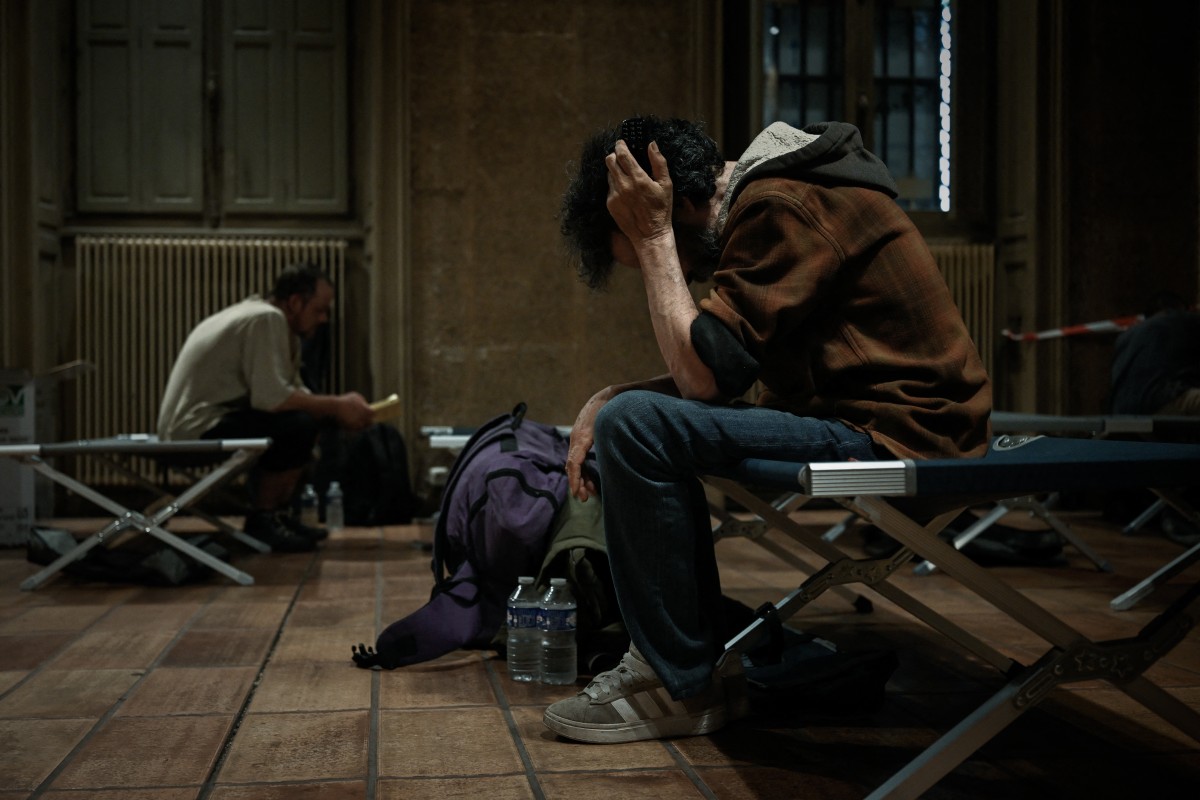


<img alt="A man sitting on a cot" data-entity-type="file" data-entity-uuid="460f9de9-d852-4805-843a-fa223f438071" height="800" src="https://cdn.unenvironment.org/inline-images/AFP__20260622__B7WK89E__v1__MidRes__FranceWeatherClimateHeat_0.jpg" width="1200" loading="lazy">
Felipe Lopez/AFP


<strong>9. Check in on others and prepare before the heat arrives</strong>&nbsp;<p>Older adults, young children, pregnant women, people with chronic illness, those living alone and outdoor workers are most at risk.</p><p>A call or visit during a heatwave can be life-saving.</p><p>As temperatures continue to rise, preparing for extreme heat is becoming part of everyday life. Small actions taken before and during hot weather can protect your health, reduce risks and help you stay safe when temperatures soar.</p><p>&nbsp;</p><p>Written by: Niki Shah</p><p>Reviewed by: Elsa Lefevre, Lou Perpes, Sophie Loran, Mirey Atallah</p>


]]></field_body><field_synopsis><![CDATA[<p>From drawing your curtains to placing wet towels on "pulse points", these tips will help you contend with spiking temperatures, which are becoming more common.</p>]]></field_synopsis><created><![CDATA[

<!-- THEME DEBUG -->
<!-- THEME HOOK: 'time' -->
<!-- BEGIN OUTPUT from 'themes/contrib/stable/templates/field/time.html.twig' -->
<time datetime="2026-06-22T21:06:14+03:00">2026-06-22 21:06:14</time>

<!-- END OUTPUT from 'themes/contrib/stable/templates/field/time.html.twig' -->

]]></created><field_article_type>Story</field_article_type><field_related_topics>Climate Action</field_related_topics><field_tags></field_tags></item><item key="5"><title>A tale of all cities: uniting for environmental action and prosperity</title><path>http://www.unep.org/news-and-stories/speech/tale-all-cities-uniting-environmental-action-and-prosperity</path><field_article_billboard_image>https://cdn.unenvironment.org/2026-06/55350383066_beae596c2c_k.jpg</field_article_billboard_image><photo_credit_url></photo_credit_url><photo_credit_title>Photo by UNEP</photo_credit_title><field_body><![CDATA[


            <p>Excellencies, colleagues, and friends,</p><p>It is a pleasure to be here with leaders representing cities from every region of the world. My thanks to UN-Habitat and the Global Covenant of Mayors for the invitation to speak today.</p><p>Cities are at the centre of humanity's future. They are where most people live, work, innovate and consume. They are also where we must confront one of the defining challenges of our time – how to achieve development and prosperity while addressing our most pressing environmental challenges.</p><p>The triple planetary crisis – the crisis of climate change, the crisis of biodiversity, land and nature loss, and the crisis of pollution and waste – is already shaping urban life.&nbsp;</p><p>Rising temperatures, floods, water stress, air pollution, waste challenges, ecosystem degradation, and infrastructure damage are affecting cities across the globe. These challenges do not arrive one by one. They arrive together, compounding risks for communities and economies alike. Yet cities are not only vulnerable to these threats – they are uniquely positioned to solve them.</p><p>Cities generate much of the world's economic activity and innovation. Local governments are closest to citizens and can respond quickly to emerging challenges. Decisions on transport, buildings, energy, land use, water and waste have consequences that extend far beyond city boundaries. Increasingly, mayors are becoming global leaders of practical action.</p><p>Climate action offers a clear example. Investments in renewable energy, energy-efficient buildings, resilient infrastructure, and sustainable mobility strengthen both economic performance and public well-being.&nbsp;</p><p>Adaptation measures help cities prepare for heatwaves, floods, and other climate impacts, reducing costly disaster losses and protecting communities. Through the Beat the Heat implementation drive, co-led by UNEP and the COP30 Brazilian Presidency, 235 cities are already working to protect millions of people from extreme heat. This week we know Europe will experience 40°C plus heat, as countries and cities in the global south – including Pakistan – continue to deal with heat closer to 50°C.</p><p>At the same time, tackling pollution is critical for health and productivity. Air, water, soil, and plastic pollution impose significant costs on societies and economies. Cleaner environments reduce healthcare burdens, improve workforce productivity and create healthier communities. Circular economy approaches to waste and materials management offer significant opportunities to build cleaner and more efficient cities.</p><p>As we pursue these goals, we must ensure that the benefits of environmental action reach everyone. Vulnerable communities often face the greatest environmental risks. A just transition means creating jobs, improving services and expanding opportunities for all. Prosperity is strongest when it is shared.</p><p>Innovation and science will help us move faster. Global temperature rise is very likely to soon exceed the 1.5°C limit set out in the Paris Agreement. These consequences are no longer a distant threat; the impacts are here and now for us all to see.&nbsp;</p><p>But that does not mean we stop. On the contrary, it means we lean in even further because every digit of a degree matters.&nbsp;</p><p>And that is why science matters so much. Cities are not only consumers of knowledge, but they are also generators of it. Data-driven governance, smart-city solutions, and collaborative research can help turn science into policy and policy into investment. Public-private partnerships and access to climate and sustainability finance will be essential to scale successful solutions.</p><p>But no city acts alone. Through networks, partnerships, and knowledge exchange, cities are already learning from one another and accelerating change, reinforcing how global progress is strengthened when local action succeeds.</p><p>Excellencies,</p><p>The prosperous city of the future is within reach. A city with clean air and safe water; thriving nature and efficient mobility; affordable clean energy and inclusive economic opportunity; resilient communities prepared for future challenges.</p><p>So, the question is not whether cities can afford environmental action. The question is whether cities can afford to delay it.&nbsp;</p><p>The cities that act on climate change, restore nature and address pollution will be the cities that attract investment, create jobs, improve health and deliver lasting prosperity for their people.</p><p>Thank you.</p>


]]></field_body><field_synopsis><![CDATA[<p>Inger Andersen, UNEP Executive Director, urges cities to tackle climate, nature loss and pollution through innovation to build resilient, inclusive prosperity widely.</p>]]></field_synopsis><created><![CDATA[

<!-- THEME DEBUG -->
<!-- THEME HOOK: 'time' -->
<!-- BEGIN OUTPUT from 'themes/contrib/stable/templates/field/time.html.twig' -->
<time datetime="2026-06-22T16:13:29+03:00">2026-06-22 16:13:29</time>

<!-- END OUTPUT from 'themes/contrib/stable/templates/field/time.html.twig' -->

]]></created><field_article_type>Speech</field_article_type><field_related_topics>Cities</field_related_topics><field_tags>Circular economy, Climate Finance, Sustainable Development</field_tags></item><item key="6"><title>Restoring salmon, the &#x201C;king of fish&#x201D;, to Canada&#x2019;s rivers and creeks </title><path>http://www.unep.org/news-and-stories/story/restoring-salmon-king-fish-canadas-rivers-and-creeks</path><field_article_billboard_image>https://cdn.unenvironment.org/2026-06/20250925UNEP%20Decade-Restoration_Canada%20Salmon%20Restoration_Todd%20Brown_51.jpg</field_article_billboard_image><photo_credit_url></photo_credit_url><photo_credit_title>Photo: Todd Brown / UNEP</photo_credit_title><field_body><![CDATA[


            <p>Preparing&nbsp;to&nbsp;release&nbsp;several hulking&nbsp;fish&nbsp;into&nbsp;the shallows&nbsp;of&nbsp;a&nbsp;Canadian river,&nbsp;a group of&nbsp;Indigenous leaders&nbsp;and scientists&nbsp;hold a&nbsp;traditional&nbsp;ceremony&nbsp;for an event&nbsp;that&nbsp;some thought they would never see&nbsp;– the return of the&nbsp;Atlantic&nbsp;salmon.&nbsp;</p><p>“Don’t&nbsp;be afraid of people telling you,&nbsp;‘Oh, that species&nbsp;will never come back’,” said Rebecca&nbsp;Knockwood,&nbsp;Chief of Fort Folly First Nation,&nbsp;a&nbsp;Mi’gmaw&nbsp;community&nbsp;in&nbsp;New Brunswick. “Don’t be afraid to prove them wrong.”&nbsp;</p><p>Indigenous&nbsp;and local&nbsp;communities are at the heart of&nbsp;an initiative&nbsp;called “Respectful Returns”&nbsp;that was developed&nbsp;in 2010&nbsp;by&nbsp;Parks Canada, collaborating with&nbsp;these&nbsp;communities&nbsp;and&nbsp;other partners&nbsp;to restore&nbsp;wild&nbsp;salmon&nbsp;populations in&nbsp;rivers&nbsp;and streams&nbsp;in seven national parks&nbsp;along the Pacific and Atlantic coasts of Canada. By&nbsp;addressing&nbsp;the&nbsp;habitat&nbsp;degradation and over-exploitation that&nbsp;have pushed&nbsp;various species&nbsp;toward extinction, Respectful Returns has seen&nbsp;wild&nbsp;populations&nbsp;of the fish&nbsp;increase in six of the seven areas&nbsp;– giving hope&nbsp;that both the ecosystems,&nbsp;and the cultural&nbsp;heritage&nbsp;that they&nbsp;represent,&nbsp;can be secured for future&nbsp;generations.&nbsp;</p><iframe src="https://www.youtube.com/embed/ygeEuv_kaHM" style="position: absolute; width: 100%; height: 100%; top: 0; left: 0;" frameborder="0" allow="autoplay; encrypted-media" referrerpolicy="strict-origin-when-cross-origin" allowfullscreen></iframe><p>In recognition, the United Nations has named&nbsp;Respectful Returns&nbsp;a&nbsp;World Restoration Flagship, an award&nbsp;extended to outstanding examples of&nbsp;landscape and seascape&nbsp;restoration that can inspire similar efforts across the globe.&nbsp;</p><p>“Empowering&nbsp;communities to preserve&nbsp;and restore&nbsp;their&nbsp;culture&nbsp;is&nbsp;key&nbsp;to&nbsp;sustaining&nbsp;the thriving, resilient ecosystems that&nbsp;underpin the wellbeing of&nbsp;us all,”&nbsp;said&nbsp;Natalia Alekseeva&nbsp;of the UN Environment Programme.&nbsp;“Canada has combined that commitment with&nbsp;cutting-edge science&nbsp;to&nbsp;give salmon a chance that&nbsp;seemed out of reach.”&nbsp;</p><p><strong>Salmon&nbsp;decline</strong>&nbsp;</p><p>Atlantic salmon&nbsp;–&nbsp;often described as “the king of fish” for their size and&nbsp;strength –&nbsp;along with Pacific salmon species such as&nbsp;chinook, chum and coho, have been prized food fish for millennia across&nbsp;Asia,&nbsp;Europe&nbsp;and North America.&nbsp;</p><p>Today,&nbsp;most of the&nbsp;salmon&nbsp;we eat&nbsp;are farmed in large numbers in commercial aquaculture.&nbsp;Meanwhile, many wild populations have&nbsp;<a href="https://www.iucnredlist.org/species/19855/67373433#assessment-information">declined</a>&nbsp;dramatically or vanished in recent decades&nbsp;in the face of&nbsp;pressures including habitat loss, climate change,&nbsp;overfishing&nbsp;and disease.&nbsp;&nbsp;</p><p>Aside from a&nbsp;few landlocked species, wild salmon on both coasts of Canada&nbsp;are migratory and share&nbsp;similar movement patterns – hatching in freshwater, migrating to the ocean, and then returning to freshwater to spawn.&nbsp;Key to helping&nbsp;reverse the species’ decline&nbsp;has been understanding these patterns and intervening at key points.&nbsp;</p><p>Working&nbsp;with communities, anglers, local&nbsp;authorities&nbsp;and researchers&nbsp;across the seven national parks, Respectful Returns has&nbsp;removed obstacles&nbsp;in rivers and streams&nbsp;so&nbsp;the&nbsp;fish can reach their spawning grounds,&nbsp;improved the riverbeds for&nbsp;spawning&nbsp;and&nbsp;reduced illegal fishing.&nbsp;At two sites, the initiative has also raised and released Atlantic salmon&nbsp;back&nbsp;into local rivers.&nbsp;</p><p>So far,&nbsp;the initiative has&nbsp;helped restore more than&nbsp;65,000 hectares of land&nbsp;in the rivers’ watersheds&nbsp;and 228 kilometres of&nbsp;waterways, created more than 100 jobs, and sparked dozens of research projects.&nbsp;</p>


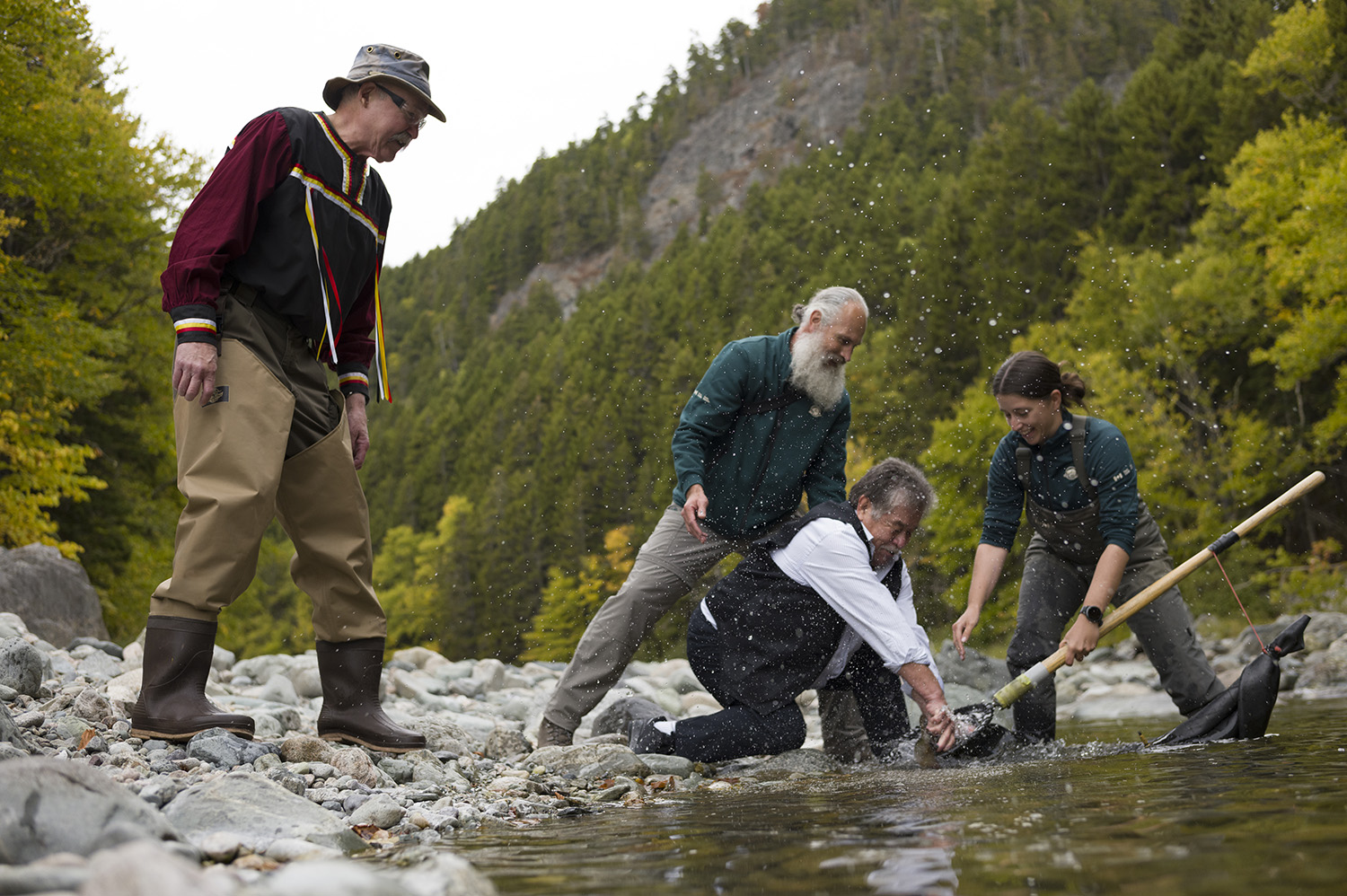
<img alt="Salmon being released back into Canada’s rivers by Indigenous community representatives and scientists (Photo: Todd Brown) " data-entity-type="file" data-entity-uuid="a9b1d89d-be61-4c41-8a66-a0ea720a58d3" height="998" src="https://cdn.unenvironment.org/inline-images/20250923UNEP%20Decade-Canada%20Salmon%20Restoration_Todd%20Brown_30.jpg" width="1500" loading="lazy">
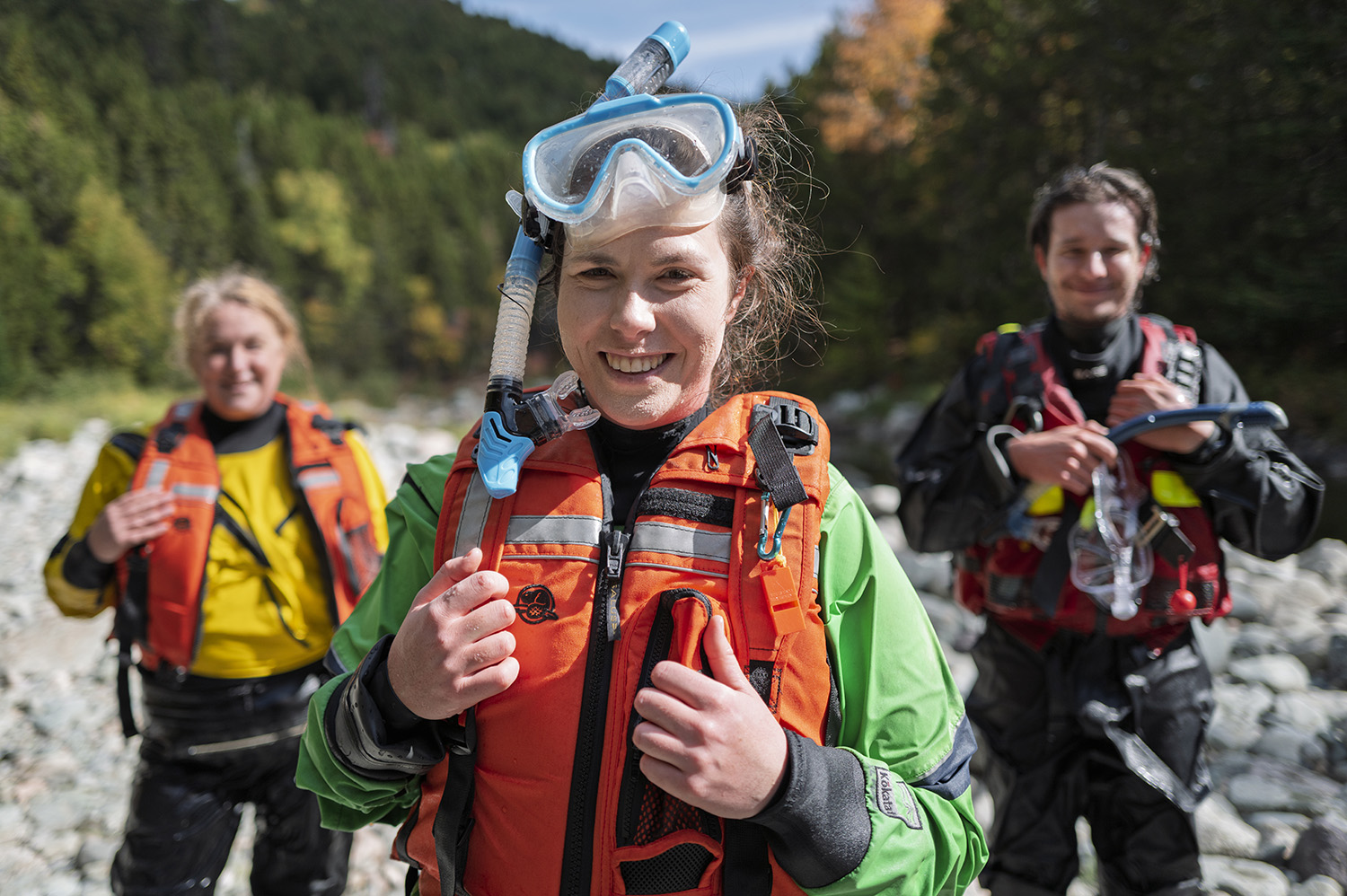
<em>Salmon being released back into Canada’s rivers by Indigenous community representatives and scientists (Photo: Todd Brown)&nbsp;</em>


<p><strong>Innovative partnerships</strong>&nbsp;</p><p>At&nbsp;<a href="https://parks.canada.ca/pn-np/nb/fundy/nature/conservation/saumon-salmon">Fundy National Park in New Brunswick</a>,&nbsp;the restoration&nbsp;effort&nbsp;has pioneered&nbsp;a new approach.&nbsp;</p><p>Since&nbsp;the 2000s, park staff and members of the Fort Folly First Nation&nbsp;have&nbsp;been fending&nbsp;off the extinction of local salmon populations by&nbsp;breeding&nbsp;them&nbsp;in captivity&nbsp;and releasing&nbsp;them as&nbsp;juveniles.&nbsp;But while the fish&nbsp;thrived&nbsp;in the rivers,&nbsp;the number returning&nbsp;from the ocean&nbsp;to&nbsp;spawn&nbsp;have&nbsp;remained&nbsp;perilously low.&nbsp;</p><p>To&nbsp;improve survival rates,&nbsp;the initiative&nbsp;in 2016&nbsp;partnered&nbsp;with an&nbsp;aquaculture company to&nbsp;capture a portion of the&nbsp;juvenile&nbsp;fish migrating downstream&nbsp;and&nbsp;raise them to maturity in&nbsp;ocean pens&nbsp;in the Bay of Fundy&nbsp;– a world first&nbsp;– before releasing them&nbsp;back&nbsp;into the river&nbsp;to spawn.&nbsp;</p><p>According to&nbsp;the project’s first project manager and champion&nbsp;Corey Clarke&nbsp;the number of juvenile salmon in the river is rising,&nbsp;indicating&nbsp;that the released adults&nbsp;are spawning successfully.&nbsp;Moreover,&nbsp;some&nbsp;of&nbsp;the released adults&nbsp;–&nbsp;identified&nbsp;using electronic&nbsp;tags –&nbsp;have returned from the ocean to breed again.&nbsp;</p><p>“This is a particularly welcome thing to happen in a river where we haven't seen adult returns for a decade, so this has caused a lot of excitement,”&nbsp;Clarke said.&nbsp;</p>


<img alt="Constant monitoring – based on scientific and traditional knowledge – is a key part of the restoration initiative (Photo: Todd Brown / UNEP)" data-entity-type="file" data-entity-uuid="101e37fb-589c-4cb1-ba16-db82dab83258" height="998" src="https://cdn.unenvironment.org/inline-images/20250925UNEP%20Decade-Canada%20Salmon%20Restoration_Todd%20Brown_58.jpg" width="1500" loading="lazy">
<em>Constant monitoring – based on scientific and traditional knowledge – is a key part of the restoration initiative (Photo: Todd Brown / UNEP)</em>


<p><strong>Cultural restoration</strong>&nbsp;</p><p>As well as restoring&nbsp;freshwater&nbsp;ecosystems&nbsp;along&nbsp;Canada’s eastern and western&nbsp;seaboards, the initiative&nbsp;is helping to&nbsp;revive&nbsp;traditions&nbsp;bound up&nbsp;with salmon.&nbsp;</p><p>Indigenous&nbsp;communities have been&nbsp;closely involved&nbsp;in planning&nbsp;restoration&nbsp;activities, including&nbsp;the&nbsp;monitoring&nbsp;of&nbsp;salmon&nbsp;and other species, where their intimate knowledge of&nbsp;their traditional lands&nbsp;has complemented the&nbsp;input&nbsp;of&nbsp;experts and government authorities.&nbsp;Outreach and education programmes involving&nbsp;local communities&nbsp;are designed to further strengthen&nbsp;a sense of pride and ownership.&nbsp;</p><p>Betty Ward, a&nbsp;Metepenagiag&nbsp;First Nation&nbsp;salmon&nbsp;knowledge holder&nbsp;working&nbsp;as a conservation advisor&nbsp;to the&nbsp;Fundy National Park&nbsp;project, said the initiative was a&nbsp;chance&nbsp;for&nbsp;her&nbsp;community&nbsp;to&nbsp;revive and&nbsp;honour&nbsp;the connection&nbsp;that their ancestors had&nbsp;with the river.&nbsp;</p><p>To that end,&nbsp;community members, college classes, project&nbsp;partners&nbsp;and park visitors&nbsp;are regularly&nbsp;invited to&nbsp;take a hands-on role in&nbsp;releasing&nbsp;fish&nbsp;and&nbsp;to&nbsp;attend traditional blessing ceremonies&nbsp;on the riverbank.&nbsp;</p><p>“Salmon sustained us, kept our people alive for thousands of years,”&nbsp;said&nbsp;Ward.&nbsp;“I'm&nbsp;hoping that,&nbsp;as Aboriginal people in our communities, we see and realize how important it is to take care of the salmon&nbsp;… and&nbsp;make them&nbsp;‘the&nbsp;king of&nbsp;fish’&nbsp;again.”&nbsp;</p>


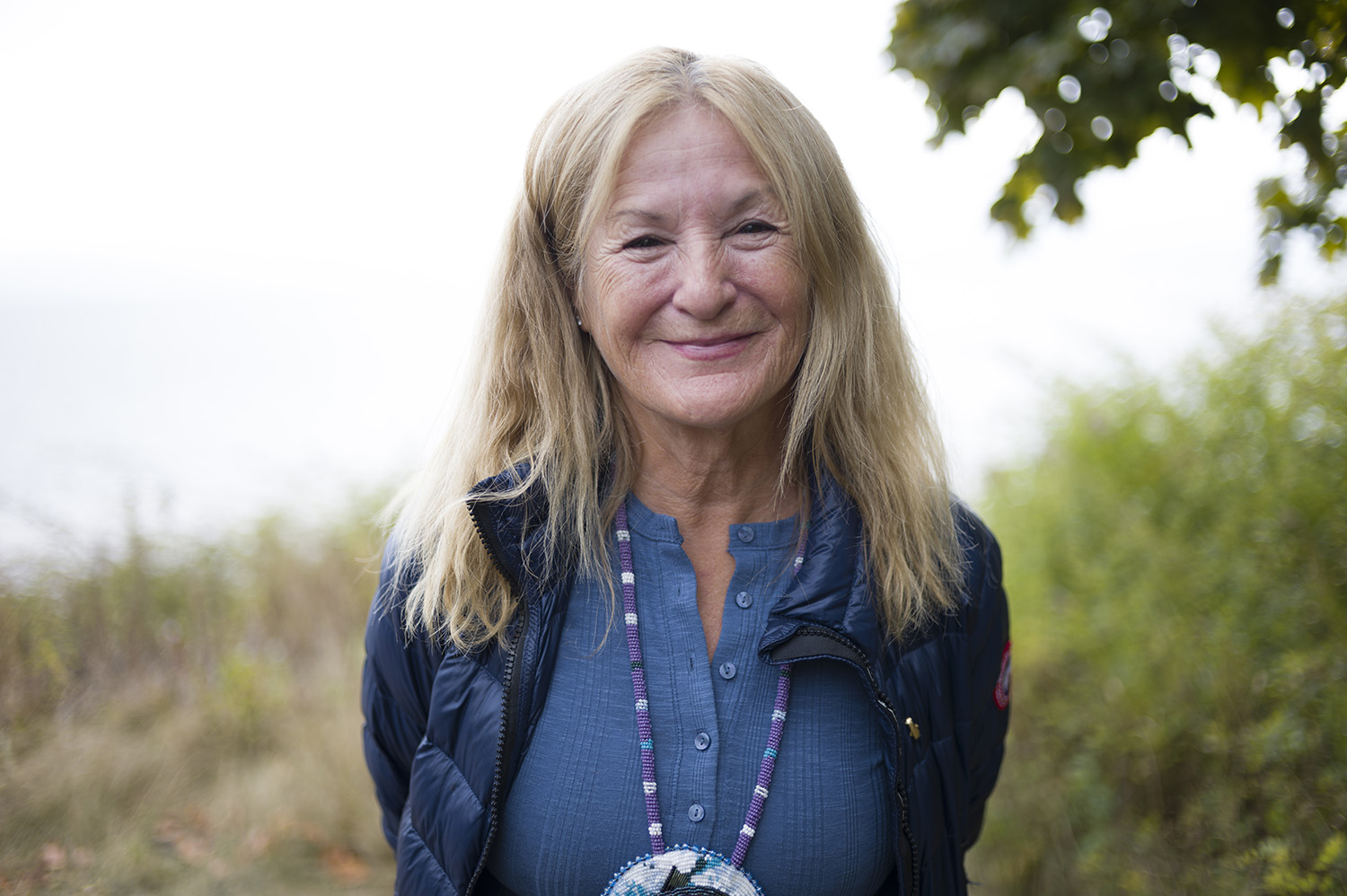
<img alt="Indigenous&nbsp;leaders like&nbsp;Elder Betty Ward from&nbsp;Metepenagiag have partnered with Parks Canada and research partners to revive the country’s wild salmon population. (Photo: Todd Brown) " data-entity-type="file" data-entity-uuid="7ca395d5-e4e6-4ac9-a203-ffcf8156106e" height="998" src="https://cdn.unenvironment.org/inline-images/20250923UNEP%20Decade-Canada%20Salmon%20Restoration_Todd%20Brown_24.jpg" width="1500" loading="lazy">
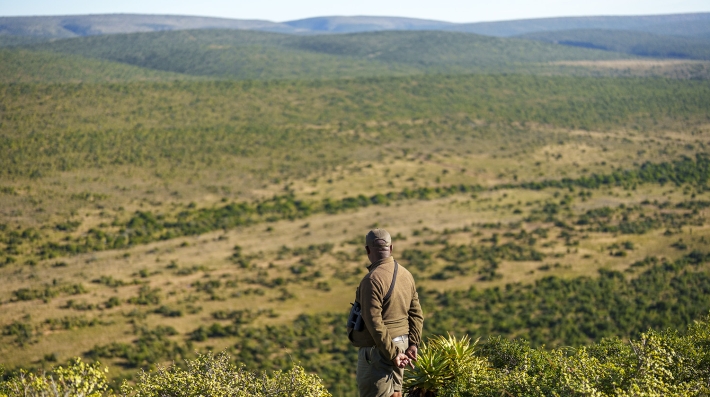
Indigenous&nbsp;leaders like&nbsp;Elder Betty Ward from&nbsp;Metepenagiag have partnered with Parks Canada and research partners to revive the country’s wild salmon population. (Photo: Todd Brown)&nbsp;


<p><em><strong>About the&nbsp;</strong></em><a href="https://www.decadeonrestoration.org/world-restoration-flagships"><em><strong>UN World Restoration Flagships</strong></em></a><em>&nbsp;</em></p><p><em>Countries have already promised to restore </em><a href="https://www.unep.org/interactive/ecosystem-restoration-people-nature-climate/en/index.php"><em>1 billion hectares – an area larger than China</em></a><em> – as part of their commitments to the </em><a href="https://eur02.safelinks.protection.outlook.com/?url=https%3A%2F%2Funfccc.int%2Fprocess-and-meetings%2Fthe-paris-agreement%2Fthe-paris-agreement&amp;data=05%7C02%7Ctal.harris%40un.org%7C2b73199057454647e20a08dc2c5915d9%7C0f9e35db544f4f60bdcc5ea416e6dc70%7C0%7C0%7C638434008334088836%7CUnknown%7CTWFpbGZsb3d8eyJWIjoiMC4wLjAwMDAiLCJQIjoiV2luMzIiLCJBTiI6Ik1haWwiLCJXVCI6Mn0%3D%7C0%7C%7C%7C&amp;sdata=w25qWZrgbsxkPmaTK2tSnvJ%2BXhAqFFYSib6JeVkbCOY%3D&amp;reserved=0"><em>Paris climate agreement</em></a><em>, the targets of the Kunming-Montreal Global Biodiversity Framework, the </em><a href="https://eur02.safelinks.protection.outlook.com/?url=https%3A%2F%2Fwww.unccd.int%2Fland-and-life%2Fland-degradation-neutrality%2Foverview&amp;data=05%7C02%7Ctal.harris%40un.org%7C2b73199057454647e20a08dc2c5915d9%7C0f9e35db544f4f60bdcc5ea416e6dc70%7C0%7C0%7C638434008334099111%7CUnknown%7CTWFpbGZsb3d8eyJWIjoiMC4wLjAwMDAiLCJQIjoiV2luMzIiLCJBTiI6Ik1haWwiLCJXVCI6Mn0%3D%7C0%7C%7C%7C&amp;sdata=4vLprRL7d4zGXLp8Mkj9px4bCuARn9bvYSJOIJVxn%2Fg%3D&amp;reserved=0"><em>Land Degradation Neutrality</em></a><em> targets and the </em><a href="https://eur02.safelinks.protection.outlook.com/?url=https%3A%2F%2Fwww.bonnchallenge.org%2F&amp;data=05%7C02%7Ctal.harris%40un.org%7C2b73199057454647e20a08dc2c5915d9%7C0f9e35db544f4f60bdcc5ea416e6dc70%7C0%7C0%7C638434008334104221%7CUnknown%7CTWFpbGZsb3d8eyJWIjoiMC4wLjAwMDAiLCJQIjoiV2luMzIiLCJBTiI6Ik1haWwiLCJXVCI6Mn0%3D%7C0%7C%7C%7C&amp;sdata=6hOz%2F9C0wlPtuEZiNorCkX2dpsIX3InGcWd869sp54s%3D&amp;reserved=0"><em>Bonn Challenge</em></a><em>. However, little is known about the progress or quality of this restoration. With the&nbsp;World Restoration Flagships, the UN Decade on Ecosystem Restoration is honouring the best examples of large-scale and long-term ecosystem restoration in any country or region, embodying the 10 Restoration Principles of the UN Decade. Progress of all World Restoration Flagships will be transparently&nbsp;monitored&nbsp;through the Framework for Ecosystem Restoration Monitoring, the UN Decade’s platform for keeping track of global restoration efforts.</em></p>


]]></field_body><field_synopsis><![CDATA[<p>Atlantic salmon are returning to Canada’s rivers thanks to an Indigenous-led restoration effort that is reviving ecosystems, cultural traditions and endangered fish populations.</p>]]></field_synopsis><created><![CDATA[

<!-- THEME DEBUG -->
<!-- THEME HOOK: 'time' -->
<!-- BEGIN OUTPUT from 'themes/contrib/stable/templates/field/time.html.twig' -->
<time datetime="2026-06-22T09:38:15+03:00">2026-06-22 09:38:15</time>

<!-- END OUTPUT from 'themes/contrib/stable/templates/field/time.html.twig' -->

]]></created><field_article_type>Story</field_article_type><field_related_topics>Nature Action</field_related_topics><field_tags>Restoration, Wildlife Conservation</field_tags></item><item key="7"><title>UNEP and GEF kick off global initiative to strengthen monitoring of toxic chemicals and mercury</title><path>http://www.unep.org/news-and-stories/press-release/unep-and-gef-kick-global-initiative-strengthen-monitoring-toxic</path><field_article_billboard_image>https://cdn.unenvironment.org/2026-06/huaynapotosi%20011.jpg</field_article_billboard_image><photo_credit_url></photo_credit_url><photo_credit_title>Photo credit: Victor Estellano/UNEP</photo_credit_title><field_body><![CDATA[


            <ul style="list-style-type:disc;margin-left:8px;"><li data-list-item-id="e467d0cb9e08bb63b85769775e4a185f7"><p class="BodyText-Normal" style="line-height:normal;margin-bottom:0cm;margin-right:0cm;margin-top:0cm;">The initiative will strengthen global monitoring of persistent organic pollutants (POPs) and mercury to support multilateral environmental agreements</p></li><li data-list-item-id="e87e4e79084513835586e3c8d3d03e266"><p class="BodyText-Normal" style="line-height:normal;margin-bottom:0cm;margin-right:0cm;margin-top:0cm;">The programme will help developing countries improve quality of scientific data, build analytical capacity, and make evidence-based management actions on hazardous chemicals</p></li><li data-list-item-id="e397830321e03da8c9715400db7a83f80"><p class="BodyText-Normal" style="line-height:normal;margin-bottom:0cm;margin-right:0cm;margin-top:0cm;">It coordinates five regional projects across Africa, Asia, Pacific Islands, Latin America, and the Caribbean Islands.</p></li></ul><p class="BodyText-Normal" style="line-height:normal;text-align:justify;"><strong>Geneva, 18 June 2026</strong> – The UN Environment Programme (UNEP) and the Global Environment Facility (GEF) have officially kicked off a US$ 23.5 million Global Chemicals Monitoring Programme (GCMP). The initiative is designed to support the evaluation of the effectiveness of the Stockholm Convention on <a href="https://www.unep.org/interactives/worst-friends-forever/">Persistent Organic Pollutants</a> (POPs) and the <a href="https://minamataconvention.org/en">Minamata Convention on Mercury</a>; it aims to reduce global pollution while strengthening developing countries’ capacity to monitor hazardous chemicals and support evidence-based policy making.</p><p class="BodyText-Normal" style="line-height:normal;text-align:justify;">Financed by the GEF, the programme is backed by US$ 50 million in co-financing. The GCMP consists of six child projects: one global coordination project and five regional projects focusing on Africa, Asia, Pacific Islands, Latin America, and the Caribbean. Together, they will generate robust scientific evidence on chemical pollution, improve data to inform policy development, strengthen cooperation, and support the long-term monitoring of POPs and mercury. By producing reliable data on POPs and mercury, GCMP contributes towards a better understanding of the toxic chemicals people are exposed to through air, water, and food – especially the most vulnerable groups, including newborns through contaminated breast milk.</p><p class="BodyText-Normal" style="line-height:normal;text-align:justify;">Persistent Organic Pollutants (POPs) are toxic, carbon-based synthetic chemical substances that resist environmental degradation, bioaccumulate in food chain, and travel long distances across international borders, posing severe threats to human health and ecosystems. The World Health Organization (WHO) places mercury and some of the POPs under the <a href="https://www.who.int/news-room/photo-story/detail/10-chemicals-of-public-health-concern">top 10 chemicals and group of chemicals</a> of major public health concern.</p><p class="BodyText-Normal" style="line-height:normal;text-align:justify;">Through globally coordinated monitoring of background levels of these pollutants, the programme aims to support countries in measuring progress towards their commitments <a href="https://www.pops.int/TheConvention/ThePOPs">under the Stockholm</a> and Minamata Conventions and strengthen accountability for achieving global environmental objectives.&nbsp;</p><p class="BodyText-Normal" style="line-height:normal;text-align:justify;">The programme is a continuation of the efforts made during the previous GEF-financed <a href="https://www.unep.org/topics/chemicals-and-pollution-action/chemicals-management/pollution-and-health/persistent-1">Global Monitoring Plan for POPs</a> (GMP) projects under the Stockholm Convention, which has collected data on environmental concentrations of POPs since 2009. The GMP illustrated <a href="https://www.unep.org/news-and-stories/press-release/some-chemical-pollutants-reducing-humans-and-environment-new-ones">the effectiveness of global actions on chemicals with declining concentrations</a> of several legacy POPs in many regions, while some newly listed POPs continue to exhibit increasing trends.&nbsp;</p><p class="BodyText-Normal" style="line-height:normal;text-align:justify;">“The GCMP builds on the previous Global Monitoring Plan for POPs and now expands to the Minamata Convention. It represents a major step towards strengthening the scientific foundation needed to protect human health and the environment from POPs and mercury, and the GEF is committed to supporting such joint efforts, investments, and collaborations, bringing key stakeholders from across the world together to address harmful impacts of chemicals and waste,” said Anil Sookdeo, Chemicals and Waste Coordinator from the GEF.</p><p class="BodyText-Normal" style="line-height:normal;text-align:justify;">“The success of multilateral environmental agreements depends on credible scientific evidence and strong international cooperation. UNEP with its partners, will support countries to strengthen POPs and mercury monitoring systems, improve data comparability, and build technical capacity to better understand and address broader chemical pollution challenges,” said Jacqueline Alvarez, Chief, Chemicals and Health Branch, UNEP.</p><p class="BodyText-Normal" style="line-height:normal;text-align:justify;">By strengthening global chemicals monitoring, the GCMP will help in better protecting communities, particularly the most vulnerable ones, while ensuring that decisions under the Stockholm and Minamata Conventions are based on robust and reliable scientific evidence.</p><p class="BodyText-Normal" style="line-height:normal;text-align:justify;">A key contribution of the GCMP is to support the effectiveness of evaluation processes under the multilateral agreements addressing POPs and mercury pollution. “Globally coordinated monitoring is crucial for evaluating whether global commitments under multilateral agreements are effective and protecting the environment and human health. In this context, the GCMP establishes a solid foundation for countries and institutions to collaborate, build technical expertise, and effectively implement their obligations under the multilateral environmental agreements,” said Kei Ohno Woodall, Senior Programme Officer and Coordinator of the GMP at the Basel, Rotterdam, and Stockholm Convention Secretariat.</p><p class="BodyText-Normal" style="line-height:normal;text-align:justify;">"This project is extremely timely since it will fill the gap in reliable, globally harmonized, and comparable monitoring data identified through the ongoing first effectiveness evaluation of the Minamata Convention and support evidence-based policy decisions at national, regional, and global levels,” said Eisaku Toda, Senior Programme Officer and Coordinator of the Open-ended Scientific Group (OESG) of the Minamata Convention Secretariat.</p><p class="BodyText-Normal" style="line-height:normal;text-align:justify;">The Programme Inception Meeting brought together regional executing agencies, funding partners, scientific advisory committee members, and representatives from more than 50 participating countries to form a shared understanding on the programme’s objectives, governance, methodologies, and annual work plans. Discussions also covered stakeholder engagement, communication and knowledge management, gender integration, and updates from regional executing agencies on the Programme implementation progress.</p><p class="BodyText-Normal" style="line-height:normal;text-align:justify;">&nbsp;</p><p class="BodyText-Normal" style="line-height:normal;text-align:justify;"><strong>NOTES TO EDITORS</strong><strong>About the UN Environment Programme (UNEP)</strong>UNEP is the leading global voice on the environment. It provides leadership and encourages partnership in caring for the environment by inspiring, informing and enabling nations and peoples to improve their quality of life without compromising that of future generations.&nbsp;</p><p class="BodyText-Normal" style="line-height:normal;text-align:justify;"><strong>About the Global Environment Facility</strong></p><p class="BodyText-Normal" style="line-height:normal;text-align:justify;">The Global Environment Facility (GEF) includes several multilateral funds working together to address the planet's most pressing challenges in an integrated way. Its financing helps developing countries address complex challenges and work towards meeting international environmental goals. Over the past three decades, the GEF has provided more than $26 billion in financing, primarily as grants, and mobilized another $153 billion for country-driven priority projects.</p><p><strong>For more information please contact: &nbsp;</strong>&nbsp;<a href="mailto:unep-newsdesk@un.org">News and Media Unit</a>, UN Environment Programme &nbsp;&nbsp;</p><p>&nbsp;</p>


]]></field_body><field_synopsis><![CDATA[<p>The UN Environment Programme (UNEP) and the Global Environment Facility (GEF) have officially kicked off a US$ 23.5 million Global Chemicals Monitoring Programme (GCMP). The initiative is designed to support the evaluation of the effectiveness of the Stockholm Convention on Persistent Organic Pollutants (POPs) and the Minamata Convention on Mercury; it aims to reduce global pollution while strengthening developing countries’ capacity to…]]></field_synopsis><created><![CDATA[

<!-- THEME DEBUG -->
<!-- THEME HOOK: 'time' -->
<!-- BEGIN OUTPUT from 'themes/contrib/stable/templates/field/time.html.twig' -->
<time datetime="2026-06-18T15:52:17+03:00">2026-06-18 15:52:17</time>

<!-- END OUTPUT from 'themes/contrib/stable/templates/field/time.html.twig' -->

]]></created><field_article_type>Press release</field_article_type><field_related_topics><![CDATA[Chemicals &amp; pollution action]]></field_related_topics><field_tags>Global Environment Facility, Mercury, Pollution</field_tags></item><item key="8"><title>Stronger governance for Africa&#x2019;s Blue Economy</title><path>http://www.unep.org/news-and-stories/speech/stronger-governance-africas-blue-economy</path><field_article_billboard_image>https://cdn.unenvironment.org/2026-06/OOC%20speech%20picture-credit%20UNEP.jpg</field_article_billboard_image><photo_credit_url></photo_credit_url><photo_credit_title>Credit: UNEP</photo_credit_title><field_body><![CDATA[


            <p style="line-height:115%;"><em>Check against delivery&nbsp;</em></p><p style="line-height:115%;">H.E. Hassan Ali Joho, Cabinet Secretary for Mining, Blue Economy and Maritime Affairs of Kenya,</p><p style="line-height:115%;">H.E. Prof, Jean Maharavo, Minister for Blue Economy and Fisheries of Madagascar,</p><p style="line-height:115%;">H.E. Marie May Jeremie, Minister of Environment, Climate, Energy and Natural Resources of Seychelles,</p><p style="line-height:115%;">H.E. Ahmed Omar, Minister of State, Ministry of Environment and Climate Change of the Federal Republic of Somalia,</p><p style="line-height:115%;">Excellencies,</p><p>Africa’s Blue Economy can undoubtedly drive economic and sustainable development on this great continent. In 2018, Africa’s Blue Economy generated an estimated US$300 billion and supported 49 million jobs. By 2030, the estimated value will be US$405 billion. By 2050, over $1.5 trillion.&nbsp;</p><p>Such a vibrant Blue Economy will deliver increased food security, livelihoods, biodiversity and resilience to climate change. But only if the health and productivity of coastal and marine areas can be boosted.&nbsp;</p><p>This health is under threat. From unsustainable fishing. Unsustainable infrastructure development. Pollution. Inadequate management of natural habitats. In some cases, weak governance, particularly in regions suffering from fragility and conflict. And, of course, climate change amplifies these risks.</p><p>Excellencies,</p><p><strong>This means that Blue Economy development cannot follow business-as-usual pathways that degrade nature and entrench inequality.&nbsp;</strong></p><p>Transitioning to a sustainable, equitable and resilient blue economy is central to delivering global commitments under the Sustainable Development Goals, the Paris Agreement, the Kunming-Montreal Global Biodiversity Framework, and other Multilateral Environmental Agreements.</p><p>To reach the full potential of Africa’s Blue Economy, regions, countries and national ministries need to work in an integrated manner to protect coastal and marine areas. Strong governance, strong financing and strong cooperation will be essential – and it is encouraging that the Mombasa Ministerial Communiqué that will emerge from this meeting focuses on these areas.</p><p>Excellencies,</p><p><strong>Ocean governance does not start at the coastline. It begins inland, which is the source of many pollutants – such as plastic waste, wastewater and agricultural run-off.</strong></p><p>So, effective ocean governance requires integrated action across the environment, agriculture, mining, transport, urban planning and finance sectors. Source-to-sea approaches provide a practical framework for addressing pollution at its origin.</p><p>Working closely with the UNEP Regional Seas Programme, the three partnerships of the Global Programme for the Protection of the Marine Environment from Land-Based Activities create collaborative action to address pollution from land.&nbsp;</p><p>Excellencies,</p><p><strong>Finance will be essential to a vibrant Blue Economy, but across the globe, financial flows reward environmental destruction rather than restoration.</strong></p><p><a href="https://www.unep.org/news-and-stories/press-release/harmful-investments-outpace-nature-protection-30-1-new-unep-report">UNEP’s State of Finance for Nature 2026</a> showed that for every US$1 invested in protecting nature, US$30 is spent on activities that harm nature.&nbsp;</p>


    Related


        <a href="http://www.unep.org/news-and-stories/speech/protecting-rangelands-home-billions-people" rel="bookmark" target="_blank">


  <a href="/news-and-stories/speech/protecting-rangelands-home-billions-people" hreflang="en">


<img loading="lazy" src="https://cdn.unenvironment.org/styles/topics_content_promo/s3/2026-06/20250613_UNEP%20Decade-South%20African%20Thicket_Todd%20Brown_79.jpg?itok=GKPBw5rA" width="710" height="397" alt="World Desertification and Drought Day " />


</a>


</a>


            Speech


                <a href="http://www.unep.org/news-and-stories/speech/protecting-rangelands-home-billions-people" rel="bookmark" target="_blank">


Protecting rangelands, home to billions of people


</a>


            <p>UNEP is working hard to flip this script. For example, with the UNEP-hosted Nairobi Convention and local partners, we support the expansion of the community-led Mikoko Pamoja blue carbon project in Kenya, which will bring in financial resources for mangrove conservation and restoration, and community development.&nbsp;</p><p>But so much more is needed. We need mechanisms that strengthen the pipeline of investment-ready blue economy projects and facilitate access to finance. Public subsidies and private investment must be redirected toward nature-positive blue economy solutions.</p><p>UNEP is of course deeply committed to mobilizing large-scale financial resources to unlock a sustainable blue economy. Our integrated sustainable blue economy and coastal resilience building portfolio is worth US$216 million, globally, of which over half – US$114 million – is in Africa. For example,&nbsp;in the Western Indian Ocean, we are proud that the Global Fund for Coral Reefs is supporting Kenya, Tanzania and Seychelles through sustainable finance mechanisms and financing facilities that support reef-positive solutions.</p><p>Excellencies,</p><p><strong>The BBNJ agreement also creates an opportunity for African leadership as the world seeks to protect the high seas</strong>.</p><p>Only just over one per cent of the ocean beyond national jurisdiction is protected. The BBNJ will be essential to ensure that these ecosystems, which connect with national jurisdictions and coastal communities, function well into the future.</p><p>The African Group of Negotiators played a strong role in the BBNJ. They secured core provisions on benefit-sharing from marine genetic resources, capacity building and marine technology transfer.&nbsp;</p><p>Ninety countries have ratified the Agreement, including 19 African countries. Ahead of the first COP meeting in early 2027, now is the time for nations that have not yet done so to ratify, help shape the Clearing-House Mechanism, and prepare for early implementation through integrating the Agreement into national legal and institutional frameworks.</p><p>But let us be clear: African countries have been managing marine biodiversity within their jurisdiction for decades.&nbsp;</p><p>The Nairobi Convention reinforces this. Through this framework, countries already know how to develop and manage Marine Protected Areas – strengthening ecological connectivity across marine ecosystems and other area-based management tools, and laying the groundwork for future high seas conservation proposals and implementation of the Convention’s BBNJ roadmap.</p><p>The BBNJ Agreement therefore offers more than a new international framework. It provides a very real opportunity for Africa to bring this experience, expertise and leadership to the global effort to protect and sustainably use marine biodiversity.</p><p style="tab-stops:54.75pt;">Excellencies,</p><p>I look forward to the Communiqué as a roadmap for Africa’s Blue Frontier as a step forward in scaling investment in sustainable blue economy solutions. And as a boost to efforts to ensure that ocean governance delivers tangible benefits for people, nature and future generations.</p>


]]></field_body><field_synopsis><![CDATA[<p>UNEP Executive Director Inger Andersen urges Africa to grow sustainable blue economy, via strong governance, financing shifts and source-to-sea action protect oceans.</p>]]></field_synopsis><created><![CDATA[

<!-- THEME DEBUG -->
<!-- THEME HOOK: 'time' -->
<!-- BEGIN OUTPUT from 'themes/contrib/stable/templates/field/time.html.twig' -->
<time datetime="2026-06-18T13:05:29+03:00">2026-06-18 13:05:29</time>

<!-- END OUTPUT from 'themes/contrib/stable/templates/field/time.html.twig' -->

]]></created><field_article_type>Speech</field_article_type><field_related_topics>Ocean, seas and coasts</field_related_topics><field_tags>Biodiversity, Pollution, Sustainable use</field_tags></item><item key="9"><title>Protecting rangelands, home to billions of people</title><path>http://www.unep.org/news-and-stories/speech/protecting-rangelands-home-billions-people</path><field_article_billboard_image>https://cdn.unenvironment.org/2026-06/20250613_UNEP%20Decade-South%20African%20Thicket_Todd%20Brown_79.jpg</field_article_billboard_image><photo_credit_url></photo_credit_url><photo_credit_title>Credit: UNEP/ Todd Brown</photo_credit_title><field_body><![CDATA[


            <p><em>Check against delivery&nbsp;</em></p><p>Your Excellency Kithure Kindiki, Deputy President of the Republic of Kenya,</p><p>Dr. Deborah Mlongo Barasa, Cabinet Secretary for Environment, Climate Change, and Forestry,</p><p>Ambassador Dr. Ida Betty Odinga, Permanent Representative of Kenya to the United Nations Environment Programme (UNEP),</p><p>Ms. Yasmine Fouad, Executive Secretary of the United Nations Convention to Combat Desertification (UNCCD),</p><p>Excellencies, colleagues and friends.</p><p>My thanks for the invitation to help mark <a href="https://www.un.org/en/observances/desertification-day">World Desertification and Drought Day 2026</a>, here in beautiful Kilifi. As host of this important day, and host to UNEP for over fifty years, Kenya is yet again demonstrating commitment to act across all environmental challenges.</p><p>This year, World Desertification and Drought Day calls on us to recognize, respect and restore rangelands. These vast landscapes cover more than half of the Earth's land surface and support around two billion people. Despite their immense value, they are too often overlooked.</p><p>They underpin food and feed systems, providing 16 per cent of global food production and 70 per cent of feed for domesticated herbivores. They sustain pastoralist livelihoods, biodiversity, water security, cultural identity and resilience.</p><p>Rangelands sit at the heart of Land Degradation Neutrality.</p><p>Yet the loss and degradation of rangelands is attracting little attention or action. Conversion and degradation are shrinking grasslands, savannahs, shrublands and steppes. Policies and incentives are undermining pastoral production systems and local food security. And climate change is driving droughts and desertification of these vital landscapes.</p><p>This “invisibility gap” shows up in national policy. A UNEP atlas noted rangelands are referenced in only 10 per cent of national climate plans, far less than forests. And the 500 million people who practice pastoralism have no or limited influence over land-use decisions that shape the health and resilience of the lands upon which they rely.</p><p>If things keep going as they have been going, we will lose much of these rangelands. Pastoralist communities will disperse, heading for urban centres, or be reduced to aid dependency. A long and proud tradition stretching back thousands of years would be lost. This is not progress. This is a human and cultural tragedy.</p><p>So we must address rangeland conversion. Promote well-managed ecological pastoralism as a sustainable land management strategy. Empower pastoralist communities to lead on governance. Prioritize rangelands in global and national agendas. And address climate change and biodiversity loss at a global level.</p><p>In particular, as countries update and implement their <a href="https://www.cbd.int/nbsap">National Biodiversity Strategies and Action Plans</a> under the Kunming-Montreal Global Biodiversity Framework, they should ensure that rangelands are explicitly reflected in national targets and actions for ecosystem conservation, restoration and sustainable use.&nbsp;</p><p>Excellencies,</p><p>Efforts to address desertification and drought must, of course, go far beyond rangelands. Up to 40 per cent of the world’s land is degraded and rising. All types of ecosystems are affected. This is why the <a href="https://www.decadeonrestoration.org/">UN Decade on Ecosystem Restoration</a> is backing restoration actions across the globe. And why The Restoration Initiative is backing nine countries across Africa and Asia to restore nearly half a million hectares.</p>


    Related


        <a href="http://www.unep.org/news-and-stories/speech/stronger-governance-africas-blue-economy" rel="bookmark" target="_blank">


  <a href="/news-and-stories/speech/stronger-governance-africas-blue-economy" hreflang="en">


<img loading="lazy" src="https://cdn.unenvironment.org/styles/topics_content_promo/s3/2026-06/OOC%20speech%20picture-credit%20UNEP.jpg?itok=-TNv4bKE" width="710" height="397" alt="Our Ocean Conference" />


</a>


</a>


            Speech


                <a href="http://www.unep.org/news-and-stories/speech/stronger-governance-africas-blue-economy" rel="bookmark" target="_blank">


Stronger governance for Africa’s Blue Economy


</a>


            <p>UNEP is proud to work here with the Government of Kenya, Kilifi County, local communities and international partners on responses to desertification, land degradation and drought. The Tana Delta/Lower Tana project, funded by the Global Environment Facility, shows what can be achieved through such collaboration.</p><p>UNEP-supported work in the Tana Delta helped communities develop land-use plans, with targets including over 130,000 hectares under sustainable livestock, fisheries and crop management, and 10,000 hectares under restoration. This work also supported the establishment of a community conservation area of over 95,000 hectares, showing how land-use planning can reduce conflict, protect biodiversity and support local livelihoods.</p><p>But restoration is, of course, not enough. We must prevent healthy land from degrading in the first place. We need to invest in drought preparedness, early warning systems, soil health, sustainable livestock systems, land tenure security, renewable energy and nature-based solutions.</p><p>Excellencies,</p><p>Today, on World Desertification and Drought Day, and ahead of the upcoming COP17 in Ulaanbaatar, Mongolia, it is clear we have much work to do. But we have the leadership of Kenya. We have the convening power of <a href="https://www.unccd.int/">UNCCD</a> and UNEP. We have local communities who are increasingly managing their own lands to secure their own futures.&nbsp;</p><p>Recognize, respect, and restore. That has been our focus this year. Let us recognize the true value of rangelands, respect the people who have sustained them for generations, and restore these landscapes for the billions who depend on them today and for generations yet to come.</p>


]]></field_body><field_synopsis><![CDATA[<p>Inger Andersen, UNEP Executive Director, urges action to recognize, protect and restore rangelands, empower pastoralists, and address land degradation globally now!</p>]]></field_synopsis><created><![CDATA[

<!-- THEME DEBUG -->
<!-- THEME HOOK: 'time' -->
<!-- BEGIN OUTPUT from 'themes/contrib/stable/templates/field/time.html.twig' -->
<time datetime="2026-06-17T17:16:13+03:00">2026-06-17 17:16:13</time>

<!-- END OUTPUT from 'themes/contrib/stable/templates/field/time.html.twig' -->

]]></created><field_article_type>Speech</field_article_type><field_related_topics>Nature Action</field_related_topics><field_tags>Nature</field_tags></item><item key="10"><title>Seven ways to restore land, halt desertification and combat drought  </title><path>http://www.unep.org/news-and-stories/story/seven-ways-restore-land-halt-desertification-and-combat-drought</path><field_article_billboard_image>https://cdn.unenvironment.org/2024-05/20221130_UNEP_Altyn%20Dala%20Initiative.mp4-08.jpg</field_article_billboard_image><photo_credit_url>https://unenvironment.widencollective.com/details/asset/wqcivtwwjt?origin=search</photo_credit_url><photo_credit_title>Photo: UNEP</photo_credit_title><field_body><![CDATA[


            <p>Land sustains life on Earth. Natural spaces, such as forests, farmlands, savannahs, peatlands and mountains, provide humanity with the food, water and raw materials it needs to survive. &nbsp;</p>
<p>Yet, more than <a href="https://www.un.org/sustainabledevelopment/wp-content/uploads/2019/07/15_Why-It-Matters-2020.pdf" target="_blank" rel="noreferrer noopener">2 billion hectares of the world’s land</a> is degraded, <a href="https://www.unccd.int/news-stories/press-releases/chronic-land-degradation-un-offers-stark-warnings-and-practical" target="_blank" rel="noreferrer noopener">affecting more than 3 billion people</a> and threatening<a href="https://www.ipbes.net/news/Media-Release-Global-Assessment" target="_blank" rel="noreferrer noopener"> countless species</a>.&nbsp;&nbsp;</p>
<p>In the face of <a href="https://www.unep.org/news-and-stories/story/global-water-shortages-are-looming-here-what-can-be-done-about-them" target="_blank" rel="noreferrer noopener">deepening droughts</a> and <a href="https://www.unep.org/facts-about-climate-emergency?gad_source=1&amp;gclid=CjwKCAjw26KxBhBDEiwAu6KXt_YrQ4MmVWo4OOhIxrVY4wN3CpJTI1RwawWa4jlRCGl79x3Xw5RVeBoCzwAQAvD_BwE" target="_blank" rel="noreferrer noopener">rising temperatures</a>, experts say it is crucial to find ways to stop productive land from becoming desert and <a href="https://www.unep.org/topics/fresh-water" target="_blank" rel="noreferrer noopener">fresh water</a> sources from evaporating.  &nbsp;</p>
<p>While that might sound like a tall task, it is possible if everyone pitches in, say experts.&nbsp;</p>
<p>“Governments and businesses have a leading role to play in reversing the damage humanity has done to the Earth,” says Doreen Robinson, the Deputy Director of the Ecosystems Division of the United Nations Environment Programme (UNEP). “But everyday people also have a vital role to play in restoration, which is crucial to our future as a species.” &nbsp;</p>
<p>With that in mind, here are seven things humanity can do to revive terrestrial ecosystems, &nbsp;as outlined in the UNEP-produced publication <a href="https://wedocs.unep.org/items/9d71979d-f1ce-4e16-80ba-9aa2eb877670" target="_blank" rel="noreferrer noopener"><em>We Are #Generation Restoration</em></a>.&nbsp;</p>
&nbsp;<a href="https://www.worldenvironmentday.global/get-involved/practical-guide" target="_blank" rel="noreferrer noopener">1. Make agriculture sustainable</a>&nbsp;
<p>


</p>
<img alt="A woman planting crops" data-entity-type="file" data-entity-uuid="d39e4891-4762-49d7-ae10-fcf1c5a2d0b0" height="560" src="https://cdn.unenvironment.org/s3fs-public/inline-images/20221109_Cecile%20Ndjebet_Inspiration%20and%20Action%20Champions%20of%20the%20Earth%202022_Cameroon_UNEP_DuncanMoore877.jpg" width="840" loading="lazy">
UNEP/Duncan Moore


<p>Globally, at <a href="https://www.cbd.int/article/biodiversityforfood-1" target="_blank" rel="noreferrer noopener">least 2 billion people</a>, particularly from rural and poorer areas, depend on agriculture for their livelihoods. However, our current food systems are unsustainable and a prime driver of land degradation. There is a lot we can do to fix this. Governments and the finance sector can promote regenerative agriculture to increase food production while preserving ecosystems.  &nbsp;</p>
<p>Right now, agricultural producers receive <a href="https://www.unep.org/news-and-stories/story/how-weeks-un-summit-could-help-mend-worlds-broken-food-systems" target="_blank" rel="noreferrer noopener">US$540 billion a year</a> in financial support from countries. Some <a href="https://www.unep.org/news-and-stories/story/how-weeks-un-summit-could-help-mend-worlds-broken-food-systems" target="_blank" rel="noreferrer noopener">87 per cent of these subsidies</a> either distort prices or harm nature and human health. With that in mind, governments could redirect agricultural subsidies towards sustainable practices and small-scale farmers.  &nbsp;</p>
<p>Agricultural businesses can develop climate-resilient crops, harness Indigenous knowledge to develop sustainable farming methods and better manage the use of pesticides and fertilizers to avoid harming soil health. Consumers can embrace regional, seasonal and plant-rich diets, and include more soil-friendly food in meals, such as beans, lentils, chickpeas and peas. &nbsp;</p>
<a href="https://www.worldenvironmentday.global/get-involved/practical-guide" target="_blank" rel="noreferrer noopener">2. Save the soil</a>&nbsp;
<p>


</p>
<img alt="A plant in soil" data-entity-type="file" data-entity-uuid="563db37e-51a7-4ed6-9d48-40f3342701cd" height="560" src="https://cdn.unenvironment.org/s3fs-public/inline-images/roman-synkevych-fjj7lVpCxRE-unsplash_0.jpg" width="840" loading="lazy">
Unsplash/Roman Synkevych


<p>Soil is more than just the dirt under our feet. It is the planet’s most biodiverse habitat. Almost <a href="https://www.worldenvironmentday.global/did-you-know/fun-facts#:~:text=Almost%2060%20per%20cent%20of,is%20useable%20and%20available%20freshwater." target="_blank" rel="noreferrer noopener">60 per cent</a> of all species live in soil and 95 per cent of the food we eat is produced from it. Healthy soil acts as a carbon sink, locking in greenhouse gases that would otherwise enter the atmosphere, playing a vital role in climate mitigation.  To keep soil healthy and productive, governments and the finance sector can support organic and soil-friendly farming. Agricultural businesses can practice <a href="https://www.fao.org/conservation-agriculture/en/" target="_blank" rel="noreferrer noopener">zero-tillage</a>, a technique that involves cultivating crops without disturbing the soil through tillage to maintain organic soil cover. Compost and organic materials could be added to soil to improve its fertility. Irrigation techniques, such as drip irrigation or mulching, could be used to help maintain soil moisture levels and prevent drought stress. Individuals could make compost from leftover scraps of fruit and vegetables for use in their gardens and balcony plant pots.  </p>
<a href="https://www.worldenvironmentday.global/get-involved/practical-guide" target="_blank" rel="noreferrer noopener">3. Protect the pollinators</a>&nbsp;
<p>


</p>
<img alt="A bee in a flower" data-entity-type="file" data-entity-uuid="b7d81233-83a1-43c6-9e26-8cfaf60d357c" height="560" src="https://cdn.unenvironment.org/s3fs-public/inline-images/AFP__20190623__1HR7O6__v6__HighRes__TopshotABeeDrawsNectarFromTheFlowersOfARoseBushI.jpg" width="840" loading="lazy">
AFP/Yuri Kadobnov


<p><a href="https://www.fao.org/pollination/en/" target="_blank" rel="noreferrer noopener">Three out of four crops</a> producing fruit and seeds depend on pollinators. Bees are the most prolific pollinators but they get a lot of help from bats, insects, butterflies, birds and beetles. In fact, without bats, we can say goodbye to bananas, avocados and mangoes. Despite their importance, all pollinators are in serious decline, bees especially.  &nbsp;</p>
<p>To protect them, people need to reduce air pollution, minimize the adverse impact of pesticides and fertilizers, and conserve the meadows, forests and wetlands where pollinators thrive. Authorities and individuals could mow fewer green spaces in cities and introduce more pollinator-friendly ponds to allow nature to return. Planting a diverse variety of native flowers in city and home gardens will also attract birds, butterflies and bees. &nbsp;</p>
<a href="https://www.worldenvironmentday.global/get-involved/practical-guide" target="_blank" rel="noreferrer noopener">4. Restore freshwater ecosystems</a>&nbsp;
<p>


</p>
<img alt="A man in a dugout canoe" data-entity-type="file" data-entity-uuid="395748d1-bc38-41b7-b1ae-413bd869b2b7" height="558" src="https://cdn.unenvironment.org/s3fs-public/inline-images/John%20Chisela%20is%20a%20fisherman%20on%20Lukanga%20Swamp%2C%20a%20major%20wetland%20in%20the%20Central%20Province%20of%20Zambia.DSC_8541%20%282%29.jpg" width="840" loading="lazy">
UNEP/Georgina Smith


<p>Freshwater ecosystems sustain the water cycles that keep land fertile. They supply food and water to billions of people, protect us from droughts and floods, and provide a habitat for countless plants and animals. Yet they are disappearing at an alarming rate due to pollution, climate change, overfishing and over-extraction. &nbsp;</p>
<p>People can stop this by improving water quality, identifying sources of pollution and monitoring the health of freshwater ecosystems. Countries can join the <a href="https://www.freshwaterchallenge.org/" target="_blank" rel="noreferrer noopener">Freshwater Challenge</a> to accelerate the restoration of degraded rivers and wetlands by 2030. Invasive species could be removed from degraded freshwater habitats and native vegetation replanted. Cities could champion wastewater innovation that addresses sewage management, stormwater runoff and urban flooding.    &nbsp;</p>
<a href="https://www.worldenvironmentday.global/get-involved/practical-guide" target="_blank" rel="noreferrer noopener">5. Renew coastal and marine areas</a>&nbsp;
<p>


</p>
<img alt="Fish swimming in shallow water" data-entity-type="file" data-entity-uuid="3200e210-b165-4bbc-8964-7ddf74e13deb" height="539" src="https://cdn.unenvironment.org/s3fs-public/inline-images/OceanImageBank_JayneJenkins_Tahiti_09%20%281%29.jpg" width="840" loading="lazy">
Ocean Image Bank/Jayne Jenkins


<p>Oceans and seas provide humanity with oxygen, food and water, while mitigating climate change and helping communities adapt to extreme weather. More than <a href="https://www.cbd.int/article/food-2018-11-21-09-29-49" target="_blank" rel="noreferrer noopener">3 billion people</a>, primarily in developing nations, rely on marine and coastal biodiversity for their livelihoods. &nbsp;</p>
<p>To secure this precious asset for generations to come, governments can accelerate implementation of the <a href="https://www.cbd.int/gbf" target="_blank" rel="noreferrer noopener">Kunming-Montreal Global Biodiversity Framework</a>. Countries can restore blue ecosystems – including mangroves, salt marshes, kelp forests and coral reefs – while enforcing strict regulations on pollution, excess nutrients, agricultural runoff, industrial discharge and plastic waste to prevent them leaching into coastal areas. &nbsp;</p>
<p>Countries could adopt a life-cycle approach to redesign plastic products to ensure they can be reused, repurposed, repaired, recycled – and ultimately kept out of the ocean. Businesses can invest in recovering nutrients from wastewater and livestock waste to use as fertilizers. &nbsp;</p>
<a href="https://www.worldenvironmentday.global/get-involved/practical-guide" target="_blank" rel="noreferrer noopener">6. Bring nature back to cities</a>&nbsp;
<p>


</p>
<img alt="A river meanders through a city" data-entity-type="file" data-entity-uuid="9d51aab3-1bbb-4c71-b1a7-2f6524d6911a" height="473" src="https://cdn.unenvironment.org/s3fs-public/inline-images/Rio%20Manzanares%2C%20River%20view%2C%20Madrid%20credit%20Duncan%20Moore_0.jpg" width="840" loading="lazy">
UNEP/Duncan Moore


<p>More than half of the world’s population lives in cities. By 2050, it is projected that two in three people will live in an urban centre. Cities consume <a href="https://wedocs.unep.org/bitstream/handle/20.500.11822/36586/SSRC.pdf?sequence=1&amp;isAllowed=y" target="_blank" rel="noreferrer noopener">75 per cent</a> of the planet’s resources, produce more than half its global waste and generate at least 60 per cent of greenhouse gas emissions. As cities grow, <a href="https://www.unep.org/topics/cities/cities-nature/cities-un-decade-ecosystem-restoration" target="_blank" rel="noreferrer noopener">they transform the natural world</a> around them, potentially leading to droughts and land degradation. &nbsp;</p>
<p>But cities do not need to be concrete jungles. Urban forests can improve air quality, provide more shade and reduce the need for mechanical cooling. Preserving cities’ canals, ponds and other water bodies can alleviate heatwaves and increase biodiversity. Installing more roof and vertical gardens in our buildings can provide habitats for birds, insects and plants.  &nbsp;</p>
<a href="https://www.worldenvironmentday.global/get-involved/practical-guide" target="_blank" rel="noreferrer noopener">7. Generate financing for restoration</a>&nbsp;
<p>


</p>
<img alt="People standing in front of a mountain in traditional dress" data-entity-type="file" data-entity-uuid="786655e3-5b28-4975-8c98-d719851c7498" height="560" src="https://cdn.unenvironment.org/s3fs-public/inline-images/22%20UNEPTodd%20Brown.%20UN%20World%20Restoration%20Flaghship%20Living%20Indus%20Initiative%20in%20Pakistan.jpg" width="840" loading="lazy">
UNEP/Todd Brown


<p>Investments in <a href="https://www.google.com/search?client=safari&amp;rls=en&amp;q=nature-based+solutions+UNEP&amp;ie=UTF-8&amp;oe=UTF-8" target="_blank" rel="noreferrer noopener">nature-based solutions</a> need to more than double to <a href="https://wedocs.unep.org/bitstream/handle/20.500.11822/41333/state_finance_nature.pdf?sequence=3" target="_blank" rel="noreferrer noopener">US$542 billion </a>by 2030 to meet the world’s climate, biodiversity and ecosystem restoration goals.&nbsp;&nbsp;</p>
<p>To close the existing finance gap, governments could invest in early warning systems to prevent the worst impacts of drought, as well as fund land restoration activities and nature-based solutions. The private sector could integrate ecosystem restoration into their business models, implement efficient waste management practices and invest in social enterprises focused on sustainable agriculture, eco-tourism and green technology.&nbsp;</p>
<p>Individuals can move their bank accounts to finance institutes that invest in sustainable enterprises, donate to restoration or crowd-fund for innovations that can help save the planet.&nbsp;&nbsp;</p>
<p>&nbsp;</p>
<p><a href="https://www.decadeonrestoration.org/types-ecosystem-restoration" target="_blank" rel="noreferrer noopener"><em>The UN Decade on Ecosystem Restoration 2021–2030</em></a><em>   </em>&nbsp;</p>
<p><em>The UN Decade on Ecosystem Restoration 2021–2030, led by the United Nations Environment Programme, the Food and Agriculture Organization of the United Nations and partners covers terrestrial as well as coastal and marine ecosystems. A global call to action, it draws together political support, scientific research and financial muscle to massively scale up restoration. </em>&nbsp;</p>
<p><em>This story was updated on 16 June 2026</em></p>


]]></field_body><field_synopsis><![CDATA[<p>How everyone can help end land degradation and restore blighted landscapes.&nbsp;</p>
]]></field_synopsis><created><![CDATA[

<!-- THEME DEBUG -->
<!-- THEME HOOK: 'time' -->
<!-- BEGIN OUTPUT from 'themes/contrib/stable/templates/field/time.html.twig' -->
<time datetime="2026-06-16T16:05:06+03:00">2026-06-16 16:05:06</time>

<!-- END OUTPUT from 'themes/contrib/stable/templates/field/time.html.twig' -->

]]></created><field_article_type>Story</field_article_type><field_related_topics>Nature Action</field_related_topics><field_tags>Biodiversity, Restoration</field_tags></item><item key="11"><title>Reflowering rangelands: Jordan celebrates restoration success in the Middle East</title><path>http://www.unep.org/news-and-stories/story/reflowering-rangelands-jordan-celebrates-restoration-success-middle-east</path><field_article_billboard_image>https://cdn.unenvironment.org/2026-06/20250804_UNEP%20Decade%20on%20Ecosystem%20Restoration_Jordan%20Rangelands_Todd%20Brown_7.jpg</field_article_billboard_image><photo_credit_url></photo_credit_url><photo_credit_title>Credit: UNEP/Todd Brown</photo_credit_title><field_body><![CDATA[


            <p>When Princess Basma bint Ali of Jordan began establishing her country’s first botanical garden in the mid-2000s, local sheep and goat herders were worried. They feared the sanctuary, located just outside of Jordan’s capital, Amman, would compromise their traditional grazing areas, and with that their livelihoods.</p><p>Two decades later, the opposite is true. Local communities have benefitted from a drive to restore rangelands around the 180-hectare botanical garden, which had long been plagued by overgrazing.</p><p>“After the garden was established and fenced off and specially protected, the plant cover grew more and more,” said Jameel Mesallam Al Megardbi, a herder from a nearby village. “In summer, we started finding good pasture there, and we could graze for a longer period.”</p><iframe src="https://www.youtube.com/embed/iWfQ46Rg1_0?start=100" style="position: absolute; width: 100%; height: 100%; top: 0; left: 0;" frameborder="0" allow="autoplay; encrypted-media" referrerpolicy="strict-origin-when-cross-origin" allowfullscreen></iframe><p>Collaboration has been key to the success of the Community-Based Rangeland Rehabilitation initiative, an effort to restore the Royal Botanic Garden and apply the lessons learned across the Middle East.</p><p>The United Nations has designated the initiative as a <a href="https://www.decadeonrestoration.org/world-restoration-flagships" target="_blank" rel="noreferrer noopener">World Restoration Flagship</a>, an award extended to outstanding examples of ecosystem revival.</p><p>“The Royal Botanic Garden and its neighbours have not only avoided a potential conflict,” said Natalia Alekseeva of the UN Environment Programme. “They have turned degraded rangelands into a sustainable asset, providing a win-win solution for both people and nature.”</p><p>Experts say efforts like that are crucial in Jordan and the wider region. West Asia is one of the <a href="https://www.unccd.int/sites/default/files/2024-12/PR%20aridity%20report.pdf" target="_blank" rel="noreferrer noopener">most water- and land-scarce regions </a>on Earth. For decades, it has struggled with drought and desertification, which have led to food insecurity, biodiversity loss and forced migration.</p><p>The botanical garden was founded on the initiative of Princess Basma bint Ali in Tal al-Rumman, a mountainous wooded area north of Amman. Along with building a seed bank, plant nurseries and a visitor centre, officials set out to restore the 180-hectare site, which had been severely degraded by overgrazing.</p>


<img alt="Marwa Nasrallah, the coordinator of the Royal Botanic Garden’s seed bank, inspecting seeds in jars." data-entity-type="file" data-entity-uuid="bf2fb7bc-1b63-4c73-9d56-ed7ffda867b2" height="1331" src="https://cdn.unenvironment.org/inline-images/20250806_UNEP%20Decade%20on%20Ecosystem%20Restoration_Jordan%20Rangelands_Todd%20Brown_18.jpg" width="2000" loading="lazy">
<em>Marwa Nasrallah, coordinator of the Royal Botanic Garden’s seed bank, inspecting a collection of seeds that is considered vital to&nbsp;restoring Jordan’s botanical heritage. Credit: UNEP/Todd Brown</em>


<p>In consultation with local communities, grazing was halted on the site in 2008 for three years, allowing experts to monitor the recovery of the vegetation and calculate exactly how much grazing could be allowed in future. As a result, biomass production – the weight of vegetation – jumped about 30 percent in each of the first three years, and has continued to rise, reaching an estimated 250 tonnes in 2024.</p>


    Related


        <a href="http://www.unep.org/news-and-stories/story/eight-years-global-restoration-initiative-seeing-communities-move-scarcity" rel="bookmark" target="_blank">


  <a href="/news-and-stories/story/eight-years-global-restoration-initiative-seeing-communities-move-scarcity" hreflang="en">


<img loading="lazy" src="https://cdn.unenvironment.org/styles/topics_content_promo/s3/2026-02/Banner.jpg?itok=3ofc7Er2" width="710" height="397" alt=" A woman in a field near Mukogodo Forest" />


</a>


</a>


            Story


                <a href="http://www.unep.org/news-and-stories/story/eight-years-global-restoration-initiative-seeing-communities-move-scarcity" rel="bookmark" target="_blank">


Eight years in, the global Restoration Initiative is seeing communities move from scarcity to resilience 


</a>


        <a href="http://www.unep.org/news-and-stories/story/wake-fire-how-republic-korea-climate-proofing-its-forests-and-communities" rel="bookmark" target="_blank">


  <a href="/news-and-stories/story/wake-fire-how-republic-korea-climate-proofing-its-forests-and-communities" hreflang="en">


<img loading="lazy" src="https://cdn.unenvironment.org/styles/topics_content_promo/s3/2026-03/20250701_UNEP%20Decade-Korea%20Reforestation_Todd%20Brown_11.jpg?itok=NYLaaYfh" width="710" height="397" alt="Tae-Im Heo, researcher at the Ecological Forest Restoration Office, and her staff monitor the progress of recently planted tree species in Uljin, Korea. " />


</a>


</a>


            Story


                <a href="http://www.unep.org/news-and-stories/story/wake-fire-how-republic-korea-climate-proofing-its-forests-and-communities" rel="bookmark" target="_blank">


In the wake of fire, how the Republic of Korea is climate-proofing its forests and communities 


</a>


            <p>To ease the impact on the herders, the botanical garden initially provided fodder for livestock. But the animals soon returned to the garden under rotational grazing plans. Local herders can bring their animals into the restored area for up to 120 days in the summer and autumn, when grazing is depleted elsewhere.</p><p>In return, herders say they protect the site from intruders, preventing illegal grazing and tree-cutting.</p><p>"It's a holistic approach to keep the grazing site highly productive, highly biodiverse,” said Mustafa Shudiefat, Programs and Projects Director at the Royal Botanic Garden.</p>


<img alt="Mustafa Shudiefat, the Programs and Projects Director at the Royal Botanic Garden, measuring and recording plant growth in the garden along with a staff member." data-entity-type="file" data-entity-uuid="ae815c24-4fa2-4309-8cc6-276c6ff604eb" height="1331" src="https://cdn.unenvironment.org/inline-images/20250807_UNEP%20Decade%20on%20Ecosystem%20Restoration_Jordan%20Rangelands_Todd%20Brown_43.jpg" width="2000" loading="lazy">
<em>Staff at the Royal Botanic Garden closely monitor vegetation growth to calculate how much grazing can be allowed in a healthy rangeland ecosystem. Credit: UNEP/Todd Brown</em>


<p><strong>Reflowering rangelands</strong></p><p>Annual vegetation surveys at the site show that the sustainable grazing regime has enabled the number of wild native plant species to rebound from 436 in 2006 to more than 600, including 22 endangered species.</p><p>“There are plants that we were not used to seeing, but recently there is a lot of them,” said Fayes Abu Jarar, who keeps several hundred sheep in the area. He listed thyme, narcissus and Black Iris – the endemic, endangered national flower of Jordan – among the plants that had returned to the hillsides.</p><p><strong>Community benefits</strong></p><p>To further boost family incomes and reduce pressure on local rangelands, experts at the botanical garden have worked with communities to improve herd management. For example, herders that isolate rams from their ewes for a month before breeding season are achieving higher pregnancy rates. The initiative has also trained two veterinary health assistants and delivered vaccination programmes.</p><p>The initiative provides training in alternative income-generating activities, including dairy production, mushroom growing, beekeeping and handicrafts workshops aimed at local women. Many residents have also found work in the botanical garden.</p><p>Encouraged by the opportunities, the number of local families engaged with the initiative has risen from five at its inception to more than 50 today.</p><p>“The programme is good. We are following it and benefitting from it,” said Abu Jarar.</p>


<img alt="Fayes Abu Jarar, a local herder, with his sheep in the Royal Botanic Garden, north of Amman, Jordan. " data-entity-type="file" data-entity-uuid="a5ee9a23-8091-47e3-9687-c3de91d74221" height="1331" src="https://cdn.unenvironment.org/inline-images/20250807_UNEP%20Decade%20on%20Ecosystem%20Restoration_Jordan%20Rangelands_Todd%20Brown_44%20%281%29.jpg" width="2000" loading="lazy">
<em>Local communities are benefitting from rich summer grazing as well as increased employment opportunities in the botanical garden. Credit: UNEP/Todd Brown</em>


<p>As well as raising awareness of the need to manage the environment, the Royal Botanic Garden says it has shared experience of what worked with community rangeland conservation projects in other parts of Jordan and the region, including in Egypt and Saudi Arabia.</p><p>The botanical garden has also published a variety of scientific papers and educational materials, such as posters, brochures and videos, and staff members have presented the programme at conferences at home and abroad.</p>


<img alt="Princess Basma bint Ali explaining the restoration initiative in the Royal Botanic Garden." data-entity-type="file" data-entity-uuid="3a8e87ce-3716-401c-a3ce-7bda00fe18f9" height="1331" src="https://cdn.unenvironment.org/inline-images/20250806_UNEP%20Decade%20on%20Ecosystem%20Restoration_Jordan%20Rangelands_Todd%20Brown_22.jpg" width="2000" loading="lazy">
<em>Her Royal Highness Princess Basma bint Ali hopes that the knowledge developed at the Royal Botanic Garden can inform efforts to restore rangelands across Jordan and beyond. Credit: UNEP/Todd Brown</em>


<p>Princess Basma bint Ali said the botanical garden’s community-based model could be a “demonstration site” for restoration elsewhere. In its restored rangelands “there's abundance, there's resilience,” she said. “And there's absolutely a lot of hope for the future."</p><p>&nbsp;</p><p><em><strong>About Desertification and Drought Day</strong></em></p><p><em>The International Day Against Desertification and Drought is observed annually on June 17. Designated by the United Nations, the day raises awareness about the global challenges of land degradation and promotes sustainable solutions to restore ecosystems and build drought resilience. It is an opportunity to remember countries’ commitments to Land Degradation Neutrality - a globally adopted framework aimed at securing a balance between human impacts on land and the earth's ability to regenerate. It ensures that the total amount of healthy, productive land remains stable or increases, balancing any unavoidable degradation by restoring an equal area elsewhere.</em></p><p><em><strong>About the </strong></em><a href="https://www.decadeonrestoration.org/world-restoration-flagships" target="_blank" rel="noreferrer noopener"><em><strong>UN World Restoration Flagships&nbsp;</strong></em></a></p><p><em>Countries have already promised to restore </em><a href="https://www.unep.org/interactive/ecosystem-restoration-people-nature-climate/en/index.php" target="_blank" rel="noreferrer noopener"><em>1 billion hectares – an area larger than China</em></a><em>– as part of their commitments to the </em><a href="https://eur02.safelinks.protection.outlook.com/?url=https%3A%2F%2Funfccc.int%2Fprocess-and-meetings%2Fthe-paris-agreement%2Fthe-paris-agreement&amp;data=05%7C02%7Ctal.harris%40un.org%7C2b73199057454647e20a08dc2c5915d9%7C0f9e35db544f4f60bdcc5ea416e6dc70%7C0%7C0%7C638434008334088836%7CUnknown%7CTWFpbGZsb3d8eyJWIjoiMC4wLjAwMDAiLCJQIjoiV2luMzIiLCJBTiI6Ik1haWwiLCJXVCI6Mn0%3D%7C0%7C%7C%7C&amp;sdata=w25qWZrgbsxkPmaTK2tSnvJ%2BXhAqFFYSib6JeVkbCOY%3D&amp;reserved=0" target="_blank" rel="noreferrer noopener"><em>Paris climate agreement</em></a><em>, the targets of the Kunming-Montreal Global Biodiversity Framework, the </em><a href="https://eur02.safelinks.protection.outlook.com/?url=https%3A%2F%2Fwww.unccd.int%2Fland-and-life%2Fland-degradation-neutrality%2Foverview&amp;data=05%7C02%7Ctal.harris%40un.org%7C2b73199057454647e20a08dc2c5915d9%7C0f9e35db544f4f60bdcc5ea416e6dc70%7C0%7C0%7C638434008334099111%7CUnknown%7CTWFpbGZsb3d8eyJWIjoiMC4wLjAwMDAiLCJQIjoiV2luMzIiLCJBTiI6Ik1haWwiLCJXVCI6Mn0%3D%7C0%7C%7C%7C&amp;sdata=4vLprRL7d4zGXLp8Mkj9px4bCuARn9bvYSJOIJVxn%2Fg%3D&amp;reserved=0" target="_blank" rel="noreferrer noopener"><em>Land Degradation Neutrality</em></a><em>targets and the </em><a href="https://eur02.safelinks.protection.outlook.com/?url=https%3A%2F%2Fwww.bonnchallenge.org%2F&amp;data=05%7C02%7Ctal.harris%40un.org%7C2b73199057454647e20a08dc2c5915d9%7C0f9e35db544f4f60bdcc5ea416e6dc70%7C0%7C0%7C638434008334104221%7CUnknown%7CTWFpbGZsb3d8eyJWIjoiMC4wLjAwMDAiLCJQIjoiV2luMzIiLCJBTiI6Ik1haWwiLCJXVCI6Mn0%3D%7C0%7C%7C%7C&amp;sdata=6hOz%2F9C0wlPtuEZiNorCkX2dpsIX3InGcWd869sp54s%3D&amp;reserved=0" target="_blank" rel="noreferrer noopener"><em>Bonn Challenge</em></a><em>. However, little is known about the progress or quality of this restoration. With the World Restoration Flagships, the UN Decade on Ecosystem Restoration is honouring the best examples of large-scale and long-term ecosystem restoration in any country or region, embodying the 10 Restoration Principles of the UN Decade. Progress of all World Restoration Flagships will be transparently monitored through the Framework for Ecosystem Restoration Monitoring, the UN Decade’s platform for keeping track of global restoration efforts.</em></p>&nbsp;


]]></field_body><field_synopsis><![CDATA[<p>Jordan’s Royal Botanic Garden has worked with local communities to restore and conserve degraded rangelands.</p>]]></field_synopsis><created><![CDATA[

<!-- THEME DEBUG -->
<!-- THEME HOOK: 'time' -->
<!-- BEGIN OUTPUT from 'themes/contrib/stable/templates/field/time.html.twig' -->
<time datetime="2026-06-16T15:56:50+03:00">2026-06-16 15:56:50</time>

<!-- END OUTPUT from 'themes/contrib/stable/templates/field/time.html.twig' -->

]]></created><field_article_type>Story</field_article_type><field_related_topics>Nature Action</field_related_topics><field_tags></field_tags></item><item key="12"><title>Chemical safety: How national action is turning global goals into reality  </title><path>http://www.unep.org/news-and-stories/story/chemical-safety-how-national-action-turning-global-goals-reality</path><field_article_billboard_image>https://cdn.unenvironment.org/2026-06/SP-impact-photo_0.jpg</field_article_billboard_image><photo_credit_url></photo_credit_url><photo_credit_title>Credit: ultramarin5/Getty images </photo_credit_title><field_body><![CDATA[


            <p>In <a href="https://www.unep.org/gambia">The Gambia</a>, a group of women gathers in a community garden at the start of another workday. But instead of spraying synthetic pesticides, they are turning kitchen scraps and plant waste into compost after being trained in ways to protect crops, soil and their health.</p><p>Thousands of kilometres away in <a href="https://www.unep.org/topics/chemicals-and-pollution-action/chemicals-management/special-programme/moldova">Moldova</a>, a farmer carefully rinses pesticide containers before disposing them using a triple-rinse technique he recently learned through a local training session.&nbsp;</p><p>In <a href="https://www.unep.org/armenia">Armenia</a>, scientists and environmental authorities are working to strengthen mercury monitoring systems so pollution risks can be identified earlier.</p><p>Together, these efforts show how countries are turning global commitments on chemicals and waste into local impact.</p><p>Chemicals are part of nearly every aspect of modern life, from agriculture and healthcare to electronics and household goods. More than <a href="https://icca-chem.org/wp-content/uploads/2020/10/Catalyzing-Growth-and-Addressing-Our-Worlds-Sustainability-Challenges-Report.pdf">95 per cent of manufactured goods</a> rely on chemicals. With global chemical production <a href="https://www.unep.org/news-and-stories/press-release/un-report-urgent-action-needed-tackle-chemical-pollution-global">expected to double by 2030</a>, countries now face growing pressure to strengthen systems to manage chemicals and waste safely.&nbsp;</p><p>Yet many countries still lack the basic systems to manage risks. When inspectors do not know what to look for, hazardous waste crosses borders unchecked. When farmers have no guidance, they handle toxic pesticides without protection. When national laws lag behind international agreements, pollutants like mercury stay in circulation long after safer alternatives exist.</p><p>These are not failures of ambition but of capacity.&nbsp;</p><p>This is why UNEP’s <a href="https://www.unep.org/topics/chemicals-and-pollution-action/chemicals-management/special-programme/applying-funding">Special Programme</a> has been helping countries across Africa, Asia-Pacific, Eastern Europe and Latin America since 2015 to strengthen the systems needed to manage chemicals and waste safely.</p><p>The challenge in The Gambia was not just how people were using chemicals on their food but also the fact that many had never been told there were safer ways to grow. Harmful practices were common in communities where regulatory reach was limited and awareness was low.</p><p>A nationwide campaign began changing that. Around 280 women gardeners have been trained on composting and alternatives to synthetic pesticides, while 153 farmers, pesticide vendors and environmental inspectors learned how to handle and apply pesticides safely.</p><p>“The current project has given us, as regulators, the opportunity to reach out to remote communities across the country to raise awareness about the effects of chemicals and waste and provide safer solutions,” said Lamin Jaiteh, the Registrar of Pesticides and Hazardous Chemicals of National Environment Agency of The Gambia.</p><p>Moldova imports most of the chemicals placed on its market and serves as a transit point for waste shipments crossing borders. Keeping track of what enters and leaves the country, and making sure companies follow the rules, requires customs officers and environmental inspectors to work closely together.</p><p>The <a href="https://www.unep.org/topics/chemicals-and-pollution-action/chemicals-management/special-programme/moldova">Special Programmeproject in Moldova</a>brought those agencies into closer coordination on monitoring transboundary waste shipments, enforcing new waste legislation, and helping farmers safely handle pesticide containers that had previously been discarded without guidance.</p><p>“In Moldova, this project has helped us move from a fragmented approach to chemicals and waste management toward a more coordinated, practical and people-centred system,” said Tatiana Tugui, a Moldovan representative involved in the project.</p>


    Related


        <a href="http://www.unep.org/technical-highlight/moldova-sets-new-agenda-achieve-sound-chemicals-and-waste-management-goals" rel="bookmark" target="_blank">


<img loading="lazy" src="https://cdn.unenvironment.org/styles/topics_content_promo/s3/2022-01/Moldova.jpeg?itok=EHI9MJC4" width="710" height="397" alt="Garbage collection truck parked next to steel cage containing plastic and glass bottles" />


</a>


                <a href="http://www.unep.org/technical-highlight/moldova-sets-new-agenda-achieve-sound-chemicals-and-waste-management-goals" rel="bookmark" target="_blank">


Moldova sets new agenda to achieve sound chemicals and waste management goals


</a>


            <p>The project also supported Moldova's National Programme for Sound Management of Chemicals for 2023–2030, which sets out how the country will reduce risks from hazardous chemicals, protect public health and align its regulations with international standards.</p><p>Armenia, meanwhile, was struggling with a mercury problem it could not fully track. Mercury carries multiple dangers for human and environmental health, including damaging the brain and kidneys, and is particularly harmful to pregnant women and young children. With the help of the Special Programme, Armenia focused on strengthening systems to manage hazardous chemicals and waste more safely. This included new legislation regulating mercury and mercury-containing products such as mercury lamps and thermometers, and introduced stronger controls on imports and exports.</p><p>Training programmes also gave customs officers and enforcement authorities the tools to identify hazardous substances at the border and prevent illegal trafficking. And improved monitoring systems now mean pollution risks can be caught earlier, before they become crises.</p><p>“Managing chemicals safely requires stronger coordination across their entire life cycle, from import and storage to transportation and disposal,” said Anahit Aleksandryan, an Armenian project representative.</p><p>These examples show that progress depends not only on global ambition, but also on countries having the institutional capacity and readiness to act.&nbsp;</p><p>“Global commitments can only make a real difference when they are translated into national laws, institutions, data systems, trained professionals and effective coordination mechanisms,” said Jacqueline Alvarez, Chief of UNEP’s Chemicals and Health Branch.</p><p>UNEP’s Special Programme was specifically designed to help countries to do just that – and it’s working. The interplay between global goals and the localized action needed to achieve them is also the principle at the heart of the Global Framework on Chemicals (GFC), a landmark agreement adopted in 2023 that sets out a shared roadmap for reducing harm from chemicals and waste. In November 2026, the world will gather in Geneva for the <a href="https://www.unep.org/global-framework-chemicals/international-conference-1">first International Conference of the Global Framework on Chemicals</a> to assess global progress and help shape future action on chemicals and waste.</p><p>But far from the international conference halls, these three efforts show that progress is happening one farmer, scientist and policymaker at a time. The work might be unglamorous and incremental, but it is&nbsp;proof that when countries build the capacity to act, global agreements stop being words on paper and become realities.</p><p><em><strong>About the Special Programme</strong></em> &nbsp;<em>The </em><a href="https://www.unep.org/topics/chemicals-and-pollution-action/chemicals-management/special-programme/moldova"><em>UNEP Special Programme</em></a><em> supports developing countries and countries with economies in transition in strengthening national institutions, laws, policies and governance systems for the sound management of chemicals and waste throughout their life cycle. Through country-driven projects, the Programme helps build long-term capacity to implement the Basel, Rotterdam and Stockholm Conventions, the Minamata Convention and the Global Framework on Chemicals, contributing to the protection of human health and the environment.</em></p>


]]></field_body><field_synopsis><![CDATA[<p>UNEP’s Special Programme is helping countries strengthen laws, institutions and technical capacity to manage chemicals and waste safely and protect people and the environment.</p>]]></field_synopsis><created><![CDATA[

<!-- THEME DEBUG -->
<!-- THEME HOOK: 'time' -->
<!-- BEGIN OUTPUT from 'themes/contrib/stable/templates/field/time.html.twig' -->
<time datetime="2026-06-16T10:39:53+03:00">2026-06-16 10:39:53</time>

<!-- END OUTPUT from 'themes/contrib/stable/templates/field/time.html.twig' -->

]]></created><field_article_type>Story</field_article_type><field_related_topics><![CDATA[Chemicals &amp; pollution action]]></field_related_topics><field_tags>Global Framework on Chemicals, Special Programme</field_tags></item><item key="13"><title>How recycled oyster shells are reviving Australia&#x2019;s lost reefs </title><path>http://www.unep.org/news-and-stories/story/how-recycled-oyster-shells-are-reviving-australias-lost-reefs</path><field_article_billboard_image>https://cdn.unenvironment.org/2026-06/20251009UNEP%20Decade%20on%20Ecosystem%20Restoration-Todd%20Brown_81.jpg</field_article_billboard_image><photo_credit_url></photo_credit_url><photo_credit_title>Photo by Todd Brown / UNEP</photo_credit_title><field_body><![CDATA[


            <p>Tipped from a&nbsp;boat&nbsp;into&nbsp;Australia's Port Phillip Bay&nbsp;near Melbourne,&nbsp;a shower of recycled&nbsp;oyster shells&nbsp;settles gently on a bed of rubble that scientists hope will become the latest in a chain of painstakingly&nbsp;restored&nbsp;shellfish&nbsp;reefs.&nbsp;</p><p>Thousands of tons of rock and shells have been placed at more than 20 sites along the southern and eastern coasts of Australia under an ambitious, ongoing initiative to save these ecosystems from extinction.&nbsp;</p><p>As well as sustaining a trove of marine biodiversity, restored reefs are bringing back valuable benefits for local businesses,&nbsp;communities&nbsp;and Indigenous people with deep ties to the natural world.&nbsp;</p><p>“They may not be as famous as Australia’s Great Barrier Reef, but these ecosystems are just as important for maintaining the health of our oceans,” said&nbsp;Natalia Alekseeva&nbsp;of the UN Environment Programme (UNEP). “This initiative shows that when nature is given a&nbsp;helping hand, it can come roaring back, for its own sake and for ours.”&nbsp;</p><p>Reefs composed of millions of oysters and mussels were once abundant in the bays and estuaries around Australia, underpinning rich ecosystems that provided food and coastal protection for both people and nature.&nbsp;</p><p>Many were destroyed by overharvesting after the arrival of European settlers around 1800.&nbsp;Now,&nbsp;ongoing pressures including coastal development, pollution and climate change&nbsp;continue to&nbsp;threaten the&nbsp;<a href="https://assessments.iucnrle.org/assessments/124">less than 10 percent that remain</a>&nbsp;in the south and east.&nbsp;</p><iframe src="https://www.youtube.com/embed/Ji88_cBSPfo?start=19" style="position: absolute; width: 100%; height: 100%; top: 0; left: 0;" frameborder="0" allow="autoplay; encrypted-media" referrerpolicy="strict-origin-when-cross-origin" allowfullscreen></iframe><p><strong>Laying a foundation</strong>&nbsp;</p><p>To reverse that loss, the “Shellfish Reef Rebuilding Program” aims to restore reefs covering a total of 300 hectares at 60 locations by 2030. The drive would return reefs in about 30 percent of their original sites and make Australia the first country to recover a critically endangered marine ecosystem.&nbsp;</p><p>Led by&nbsp;<a href="https://www.natureaustralia.org.au/what-we-do/our-priorities/oceans/ocean-stories/restoring-shellfish-reefs/">The Nature Conservancy</a>&nbsp;and with support from government authorities and many other partners, the initiative has already restored&nbsp;<a href="https://www.natureaustralia.org.au/content/dam/tnc/nature/en/photos/australia/TNC_Australia_Reef_Builder_Summary_Report_2024_Final_090824.pdf">62 hectares</a>&nbsp;of reefs in 21 of those locations.&nbsp;</p><p>In Port Phillip Bay&nbsp;and at other sites, rock and&nbsp;recycled&nbsp;oyster shells poured into the water provide a vital&nbsp;hard surface&nbsp;that shellfish larvae need to attach to and grow.&nbsp;</p><p>Reefs are additionally “seeded” by first placing some of the shells – collected from aquaculture businesses and&nbsp;<a href="https://www.natureaustralia.org.au/what-we-do/our-priorities/oceans/ocean-stories/shuck-dont-chuck-shell-recycling/">local seafood restaurants</a>&nbsp;– in hatcheries so that millions of juvenile oysters and mussels can settle on them before they are deployed.&nbsp;</p><p>"What we're really doing is sort of kick-starting that recovery process,” said&nbsp;Simon Branigan, Marine Restoration Lead&nbsp;at The Nature Conservancy Australia. “Since 2014, we’ve recycled like 150,000 wheelbarrows of shells.”&nbsp;</p>


    Related


        <a href="http://www.unep.org/news-and-stories/story/eight-years-global-restoration-initiative-seeing-communities-move-scarcity" rel="bookmark" target="_blank">


  <a href="/news-and-stories/story/eight-years-global-restoration-initiative-seeing-communities-move-scarcity" hreflang="en">


<img loading="lazy" src="https://cdn.unenvironment.org/styles/topics_content_promo/s3/2026-02/Banner.jpg?itok=3ofc7Er2" width="710" height="397" alt=" A woman in a field near Mukogodo Forest" />


</a>


</a>


            Story


                <a href="http://www.unep.org/news-and-stories/story/eight-years-global-restoration-initiative-seeing-communities-move-scarcity" rel="bookmark" target="_blank">


Eight years in, the global Restoration Initiative is seeing communities move from scarcity to resilience 


</a>


        <a href="http://www.unep.org/news-and-stories/story/wake-fire-how-republic-korea-climate-proofing-its-forests-and-communities" rel="bookmark" target="_blank">


  <a href="/news-and-stories/story/wake-fire-how-republic-korea-climate-proofing-its-forests-and-communities" hreflang="en">


<img loading="lazy" src="https://cdn.unenvironment.org/styles/topics_content_promo/s3/2026-03/20250701_UNEP%20Decade-Korea%20Reforestation_Todd%20Brown_11.jpg?itok=NYLaaYfh" width="710" height="397" alt="Tae-Im Heo, researcher at the Ecological Forest Restoration Office, and her staff monitor the progress of recently planted tree species in Uljin, Korea. " />


</a>


</a>


            Story


                <a href="http://www.unep.org/news-and-stories/story/wake-fire-how-republic-korea-climate-proofing-its-forests-and-communities" rel="bookmark" target="_blank">


In the wake of fire, how the Republic of Korea is climate-proofing its forests and communities 


</a>


            <p>While many of the reefs are still maturing, the results are already encouraging.&nbsp;</p><p>The areas restored so far are boosting fish stocks by an estimated 50 tonnes&nbsp;per&nbsp;year – a figure that could double by 2030:&nbsp;approximately 250 species of fish and mobile invertebrates&nbsp;such as crabs and sea stars&nbsp;have been recorded on the restored&nbsp;sites, compared to 175 species&nbsp;in adjacent&nbsp;areas.&nbsp;</p><p>Moreover, by filtering up to 125 billion litres of seawater, the reefs are&nbsp;removing&nbsp;as much as&nbsp;14&nbsp;tonnes of nutrient pollution&nbsp;every year, reducing the likelihood and impact of&nbsp;<a href="https://www.algalbloom.sa.gov.au/">harmful algal blooms</a>.&nbsp;</p><p>"When you are restoring reefs that are going down for the long term, in perpetuity, that's a renewable resource and way of sustainably cleaning the water column,"&nbsp;said&nbsp;Dominic McAfee,&nbsp;a&nbsp;Marine Biologist&nbsp;at the&nbsp;University of Adelaide.&nbsp;</p><p>On completion, the restoration&nbsp;work is also expected to have created about 2,700&nbsp;jobs, supported 200 local businesses, and generated nearly AUD 14 million a year in ongoing benefits, including for fishing and ecotourism ventures.&nbsp;</p>


<img alt="Loss of shellfish reef as natural filters has led to ocean pollution and death of fish along Australia’s coast&nbsp;(Todd Brown / UNEP) " data-entity-type="file" data-entity-uuid="b8f24c44-d83b-449d-a49a-ad654c241ec2" height="1000" src="https://cdn.unenvironment.org/inline-images/20251007UNEP%20Decade%20on%20Ecosystem%20Restoration-_Todd%20Brown_38.jpg" width="1500" loading="lazy">
<em>Loss of shellfish reef as natural filters has led to ocean pollution and death of fish along Australia’s coast&nbsp;(Todd Brown / UNEP)&nbsp;</em>


<p><strong>Working together</strong>&nbsp;</p><p>UNEP and the UN’s Food and Agriculture Organization (FAO) have named the initiative a World Restoration Flagship, a status awarded to outstanding and inspiring restoration efforts under the&nbsp;<a href="https://www.decadeonrestoration.org/">UN Decade on Ecosystem Restoration</a>.&nbsp;</p><p>One of the criteria used to select the flagships is long-term sustainability, a box&nbsp;the reef restoration drive&nbsp;ticks&nbsp;through its work on community engagement, scientific&nbsp;research&nbsp;and policy development.&nbsp;</p><p>For example,&nbsp;local residents, anglers,&nbsp;Indigenous&nbsp;Traditional&nbsp;Owners&nbsp;and other interest groups are closely consulted and involved alongside regulators in the&nbsp;selection&nbsp;and design of restoration sites.&nbsp;Citizen science projects have included oyster and mussel growing, and underwater video monitoring of fish stocks, and&nbsp;Indigenous communities have been further engaged through naming and other cultural ceremonies.&nbsp;</p><p>“Projects like this are absolutely vital to restore the&nbsp;bay to what it once was,” said Matthew Chatterton,&nbsp;Sea&nbsp;and Coastal Projects Officer with the&nbsp;Wadawurrung&nbsp;Traditional Owners Aboriginal Corporation. “I think it's extremely important not only for&nbsp;Wadawurrung&nbsp;people but for the broader Victorian community that our sea country is as healthy as possible.”&nbsp;</p><p>At the policy level, the initiative has proposed steps to smoothen&nbsp;the approval process for large-scale coastal and marine restoration. It is also exploring innovative financing methods for more large-scale, long-term projects.&nbsp;</p><p>From now until 2030, the initiative is prioritizing sites near other coastal habitats like kelp beds, seagrass,&nbsp;saltmarsh&nbsp;and mangroves, hoping to raise the resilience of entire seascapes and their ability to both mitigate and adapt to climate change.&nbsp;</p><p>“There’s a lot of work to do,” Branigan said. "It is challenging, but it is also incredibly satisfying.&nbsp;“But I think what's most satisfying is that we're giving back to nature and people.”&nbsp;</p>


<img alt="Analyzing&nbsp;the components of a shellfish reef. A grown oyster can filter a bathtub of polluted water a day. (Photo: Todd Brown / UNEP) " data-entity-type="file" data-entity-uuid="a03581ce-85cc-4b2d-af68-9fb9b2c5091e" height="998" src="https://cdn.unenvironment.org/inline-images/20251008UNEP%20Decade%20on%20Ecosystem%20Restoration-Todd%20Brown_69.jpg" width="1500" loading="lazy">
<em>Analyzing&nbsp;the components of a shellfish reef. A grown oyster can filter a bathtub of polluted water a day. (Photo: Todd Brown / UNEP)&nbsp;</em>


<p>&nbsp;<em><strong>About&nbsp;the&nbsp;</strong></em><a href="https://www.decadeonrestoration.org/world-restoration-flagships"><em><strong>UN World Restoration Flagships</strong></em></a><em>&nbsp;</em></p><p><em>Countries have already promised to restore </em><a href="https://www.unep.org/interactive/ecosystem-restoration-people-nature-climate/en/index.php"><em>1 billion hectares – an area larger than China</em></a><em> – as part of their commitments to the </em><a href="https://eur02.safelinks.protection.outlook.com/?url=https%3A%2F%2Funfccc.int%2Fprocess-and-meetings%2Fthe-paris-agreement%2Fthe-paris-agreement&amp;data=05%7C02%7Ctal.harris%40un.org%7C2b73199057454647e20a08dc2c5915d9%7C0f9e35db544f4f60bdcc5ea416e6dc70%7C0%7C0%7C638434008334088836%7CUnknown%7CTWFpbGZsb3d8eyJWIjoiMC4wLjAwMDAiLCJQIjoiV2luMzIiLCJBTiI6Ik1haWwiLCJXVCI6Mn0%3D%7C0%7C%7C%7C&amp;sdata=w25qWZrgbsxkPmaTK2tSnvJ%2BXhAqFFYSib6JeVkbCOY%3D&amp;reserved=0"><em>Paris climate agreement</em></a><em>, the targets of the Kunming-Montreal Global Biodiversity Framework, the </em><a href="https://eur02.safelinks.protection.outlook.com/?url=https%3A%2F%2Fwww.unccd.int%2Fland-and-life%2Fland-degradation-neutrality%2Foverview&amp;data=05%7C02%7Ctal.harris%40un.org%7C2b73199057454647e20a08dc2c5915d9%7C0f9e35db544f4f60bdcc5ea416e6dc70%7C0%7C0%7C638434008334099111%7CUnknown%7CTWFpbGZsb3d8eyJWIjoiMC4wLjAwMDAiLCJQIjoiV2luMzIiLCJBTiI6Ik1haWwiLCJXVCI6Mn0%3D%7C0%7C%7C%7C&amp;sdata=4vLprRL7d4zGXLp8Mkj9px4bCuARn9bvYSJOIJVxn%2Fg%3D&amp;reserved=0"><em>Land Degradation Neutrality</em></a><em> targets and the </em><a href="https://eur02.safelinks.protection.outlook.com/?url=https%3A%2F%2Fwww.bonnchallenge.org%2F&amp;data=05%7C02%7Ctal.harris%40un.org%7C2b73199057454647e20a08dc2c5915d9%7C0f9e35db544f4f60bdcc5ea416e6dc70%7C0%7C0%7C638434008334104221%7CUnknown%7CTWFpbGZsb3d8eyJWIjoiMC4wLjAwMDAiLCJQIjoiV2luMzIiLCJBTiI6Ik1haWwiLCJXVCI6Mn0%3D%7C0%7C%7C%7C&amp;sdata=6hOz%2F9C0wlPtuEZiNorCkX2dpsIX3InGcWd869sp54s%3D&amp;reserved=0"><em>Bonn Challenge</em></a><em>. However, little is known about the progress or quality of this restoration. With the&nbsp;World Restoration Flagships, the UN Decade on Ecosystem Restoration is honouring the best examples of large-scale and long-term ecosystem restoration in any country or region, embodying the 10 Restoration Principles of the UN Decade. Progress of all World Restoration Flagships will be transparently&nbsp;monitored&nbsp;through the Framework for Ecosystem Restoration Monitoring, the UN Decade’s platform for keeping track of global restoration efforts.&nbsp;&nbsp;</em></p>


]]></field_body><field_synopsis><![CDATA[<p>Across Australia, recycled oyster shells and rock are helping restore lost shellfish reefs, reviving marine life, cleaning coastal waters and supporting local communities.</p>]]></field_synopsis><created><![CDATA[

<!-- THEME DEBUG -->
<!-- THEME HOOK: 'time' -->
<!-- BEGIN OUTPUT from 'themes/contrib/stable/templates/field/time.html.twig' -->
<time datetime="2026-06-15T18:10:07+03:00">2026-06-15 18:10:07</time>

<!-- END OUTPUT from 'themes/contrib/stable/templates/field/time.html.twig' -->

]]></created><field_article_type>Story</field_article_type><field_related_topics>Ocean, seas and coasts</field_related_topics><field_tags></field_tags></item><item key="14"><title>Bamboo&#x2019;s new roots: Restoring ecosystems and rural incomes</title><path>http://www.unep.org/news-and-stories/story/bamboos-new-roots-restoring-ecosystems-and-rural-incomes</path><field_article_billboard_image>https://cdn.unenvironment.org/2026-06/Bamboo.jpg</field_article_billboard_image><photo_credit_url></photo_credit_url><photo_credit_title>Credit: Unsplash/Kazuend</photo_credit_title><field_body><![CDATA[


            <p>From a grove of towering bamboo stems, Ugandan businessman Koojo Charles Amooti points across the valley to an urgent environmental problem that this fast-growing plant is helping to address.</p><p>"Look over there, the land is degraded. But look over here – the land where we planted bamboo is rejuvenated,” he said. “But also, the land below where we have the bamboo is green and lush, and there is no evidence of soil erosion."</p><p>Bamboo is emerging as a useful species in the growing push to protect and restore ecosystems around the world, while also helping to soak up carbon to combat climate change and create jobs that advance sustainable development.</p><p>“Restoration works best when both people and nature profit tangibly from the careful management of our precious natural resources,” said Natalia Alekseeva of the UN Environment Programme (UNEP). “As a valuable crop and a powerful tool for managing the land, indigenous bamboo ticks all the boxes.”</p><p>More than <a href="https://www.kew.org/read-and-watch/bamboo-and-rattan-on-the-map" target="_blank" rel="noreferrer noopener">1,600 species </a>of bamboo – technically a grass, not a tree – grow naturally across tropical and warm temperate areas of Africa, the Americas and Asia. Bamboo’s mechanical strength and light weight have made it a traditional material for construction, handicrafts and an alternative to plastic, while protein-rich bamboo shoots are food for both people and wildlife.</p><p>For centuries, bamboo has also been used for erosion control, particularly in Asia. With extensive root systems, the species help stabilize soil, especially in sloping or flood-prone areas. Now, more eyes are turning toward bamboo’s benefits as a promising tool not only for preventing but also for reversing land degradation – all while supporting business ingenuity and economic growth.</p><p><strong>Bamboo’s virtues</strong></p><p>Amooti is the energetic founder and chief executive of <a href="https://kontikibambooh.com/" target="_blank" rel="noreferrer noopener">Kontiki Bamboo Works Ltd, </a>a bamboo-processing company in Hoima, Western Uganda. The company has worked closely with the <a href="https://www.inbar.int/" target="_blank" rel="noreferrer noopener">International Bamboo and Rattan Organization </a>(INBAR) to develop its pro-poor business models and promote bamboo at home and abroad.</p><p>UNEP and the UN’s Food and Agriculture Organization (FAO) recently recognized the wider INBAR-led initiative as a <a href="https://www.decadeonrestoration.org/world-restoration-flagships" target="_blank" rel="noreferrer noopener">UN World Restoration Flagship</a> under the <a href="https://www.decadeonrestoration.org/" target="_blank" rel="noreferrer noopener">UN Decade on Ecosystem Restoration</a>.</p><p>The initiative, <a href="https://www.decadeonrestoration.org/bamboo-based-restoration" target="_blank" rel="noreferrer noopener">"Bamboo-Based Restoration in the Global South"</a>, promotes South-South exchange, including by transferring know-how from Asian countries with more bamboo experience  to countries in Africa and Latin America where the sector is still growing.</p><p>Among other activities, INBAR and its partners have held workshops bringing together groups including government officials, local chiefs, companies, farmers, researchers, and community members, and developed knowledge products such as <a href="https://www.inbar.int/resources/inbar_publications/experiencias-del-proyecto-soluciones-basada-en-bambu-en-la-region-de-america-latina-y-el-caribe/" target="_blank" rel="noreferrer noopener">case studies </a>and <a href="https://www.inbar.int/resources/inbar_publications/bamboo-and-land-restoration-fact-sheet/" target="_blank" rel="noreferrer noopener">factsheets</a>. The aim is to build skills in areas including bamboo cultivation and sustainable land management and spread awareness of bamboo’s dual commercial and environmental promise.</p><p>According to INBAR, 200,000 hectares worldwide have already been brought under restoration with bamboo in countries including Cameroon, Ecuador, Ethiopia, Ghana, Kenya, Peru, Sri Lanka, Uganda and Viet Nam. It aims to raise that total to 500,000 hectares by 2030.</p><p><strong>Building a pro-poor value chain</strong></p><p>Uganda is one place where bamboo is increasingly seen as an answer to deforestation.</p><p>According to Stuart Maniraguha from Uganda’s Ministry of Water and Environment (MWE), the country’s forest cover shrank from 24 percent in 1990 to 12.7 percent in 2023, driven by demand for farmland and wood fuel from a rising population.</p><p>Under a wider restoration drive, the government is implementing a bamboo action plan that includes growing millions of bamboo seedlings in nurseries and training farmers – including women and youth – to manage them. So far, 2,800 hectares of bamboo have been planted by some 2,500 smallholders, Maniraguha said.</p><p>Bamboo has been introduced into forestry school curricula, where students learn of how its rapid growth and dense root systems quickly soak up climate-warming carbon while stabilizing and enriching degraded soils.</p><p>Farmers can integrate bamboo into agroforestry systems where it can be harvested in just a few years, providing a quicker return than many tree species.</p><p>“The world is very much blessed that we have this resource,” Maniraguha said, forecasting that a thriving bamboo sector can also create thousands of jobs in Uganda. “It is up to us to realize its importance and harness it.”</p><p><strong>Green fuel</strong></p><p>Bamboo is sometimes stigmatized in Africa for being worthless compared to the continent’s precious hardwoods, but because of its quick growth, strength and versatility, it’s now gaining momentum as a business-driver.</p><p><a href="https://divinebamboo.com/products/#seedlings" target="_blank" rel="noreferrer noopener">Divine Bamboo Group Ltd</a><strong>,</strong> a company based in the Ugandan capital, Kampala, is incorporating sustainably produced bamboo into briquettes marketed as a cooking fuel <a href="https://www.seforall.org/taxonomy/term/33?page=6" target="_blank" rel="noreferrer noopener">cleaner and cheaper </a>than deforestation-driving charcoal.</p><p>The company has trialled more than 20 types of bamboo species before focusing on a few local species plus an exotic but non-invasive variety of giant bamboo from China, chief executive Divine Nabaweesi said.</p>


    Related


        <a href="http://www.unep.org/news-and-stories/story/eight-years-global-restoration-initiative-seeing-communities-move-scarcity" rel="bookmark" target="_blank">


  <a href="/news-and-stories/story/eight-years-global-restoration-initiative-seeing-communities-move-scarcity" hreflang="en">


<img loading="lazy" src="https://cdn.unenvironment.org/styles/topics_content_promo/s3/2026-02/Banner.jpg?itok=3ofc7Er2" width="710" height="397" alt=" A woman in a field near Mukogodo Forest" />


</a>


</a>


            Story


                <a href="http://www.unep.org/news-and-stories/story/eight-years-global-restoration-initiative-seeing-communities-move-scarcity" rel="bookmark" target="_blank">


Eight years in, the global Restoration Initiative is seeing communities move from scarcity to resilience 


</a>


        <a href="http://www.unep.org/news-and-stories/story/wake-fire-how-republic-korea-climate-proofing-its-forests-and-communities" rel="bookmark" target="_blank">


  <a href="/news-and-stories/story/wake-fire-how-republic-korea-climate-proofing-its-forests-and-communities" hreflang="en">


<img loading="lazy" src="https://cdn.unenvironment.org/styles/topics_content_promo/s3/2026-03/20250701_UNEP%20Decade-Korea%20Reforestation_Todd%20Brown_11.jpg?itok=NYLaaYfh" width="710" height="397" alt="Tae-Im Heo, researcher at the Ecological Forest Restoration Office, and her staff monitor the progress of recently planted tree species in Uljin, Korea. " />


</a>


</a>


            Story


                <a href="http://www.unep.org/news-and-stories/story/wake-fire-how-republic-korea-climate-proofing-its-forests-and-communities" rel="bookmark" target="_blank">


In the wake of fire, how the Republic of Korea is climate-proofing its forests and communities 


</a>


            <p>Customers see that the new fuel, which also includes agricultural waste, lasts longer, saving them money, and are pleased to contribute to protecting Uganda’s forests, said Nabaweesi, whose company also sells bamboo seedlings to farmers and urban households.</p><p>To develop the bamboo value chain further, INBAR has supported <a href="https://www.inbar.int/project/south-south-initiative-to-promote-the-sustainable-use-of-bamboo-as-an-innovative-strategy-for-climate-resilience-of-smallholder-farmers-in-argentina-bolivia-and-brazil/" target="_blank" rel="noreferrer noopener">exchanges </a>among governments and companies on topics such as technology to process bamboo, product standards and <a href="https://www.inbar.int/event/training-bamboo-laminated-products/" target="_blank" rel="noreferrer noopener">how to use bamboo in product design</a>.</p><p>The lessons learned have helped Kontiki Bamboo Works fill its showroom in Hoima with 75 different products – from toothpicks, flooring tiles and biochar soil enhancer to a range of chunky round-pole furniture. The showroom is important in persuading farmers that there is a market for bamboo and helping the company meet rising demand.</p><p>Nabaweesi said awareness of bamboo’s value has grown to the point that some seedlings are stolen from the nurseries under cover of darkness.</p><p>"It's nice to know you are contributing to the planet, you're helping to fight climate change, you're contributing to the development of the country, you're helping youth, you're helping women,” she said. “That gives me purpose."</p>&nbsp;<p><em><strong>About the  </strong></em><a href="http://www.decadeonrestoration.org/" target="_blank" rel="noreferrer noopener"><em><strong>UN Decade on Ecosystem Restoration&nbsp;</strong></em></a></p><p><em>The UN General Assembly has declared 2021–2030 a UN Decade on Ecosystem Restoration. Led by the UN Environment Programme and the Food and Agriculture Organization of the UN, together with the support of partners, it is designed to prevent, halt, and reverse the loss and degradation of ecosystems worldwide. It aims at reviving billions of hectares, covering terrestrial as well as aquatic ecosystems. A global call to action, the UN Decade draws together political support, scientific research, and financial muscle to massively scale up restoration. </em></p>&nbsp;<p><em><strong>About the </strong></em><a href="https://www.decadeonrestoration.org/world-restoration-flagships" target="_blank" rel="noreferrer noopener"><em><strong>UN World Restoration Flagships&nbsp;</strong></em></a></p><p><em>Countries have already promised to restore </em><a href="https://www.unep.org/interactive/ecosystem-restoration-people-nature-climate/en/index.php" target="_blank" rel="noreferrer noopener"><em>1 billion hectares – an area larger than China</em></a><em> – as part of their commitments to the </em><a href="https://eur02.safelinks.protection.outlook.com/?url=https%3A%2F%2Funfccc.int%2Fprocess-and-meetings%2Fthe-paris-agreement%2Fthe-paris-agreement&amp;data=05%7C02%7Ctal.harris%40un.org%7C2b73199057454647e20a08dc2c5915d9%7C0f9e35db544f4f60bdcc5ea416e6dc70%7C0%7C0%7C638434008334088836%7CUnknown%7CTWFpbGZsb3d8eyJWIjoiMC4wLjAwMDAiLCJQIjoiV2luMzIiLCJBTiI6Ik1haWwiLCJXVCI6Mn0%3D%7C0%7C%7C%7C&amp;sdata=w25qWZrgbsxkPmaTK2tSnvJ%2BXhAqFFYSib6JeVkbCOY%3D&amp;reserved=0" target="_blank" rel="noreferrer noopener"><em>Paris climate agreement</em></a><em>, the targets of the Kunming-Montreal Global Biodiversity Framework, the </em><a href="https://eur02.safelinks.protection.outlook.com/?url=https%3A%2F%2Fwww.unccd.int%2Fland-and-life%2Fland-degradation-neutrality%2Foverview&amp;data=05%7C02%7Ctal.harris%40un.org%7C2b73199057454647e20a08dc2c5915d9%7C0f9e35db544f4f60bdcc5ea416e6dc70%7C0%7C0%7C638434008334099111%7CUnknown%7CTWFpbGZsb3d8eyJWIjoiMC4wLjAwMDAiLCJQIjoiV2luMzIiLCJBTiI6Ik1haWwiLCJXVCI6Mn0%3D%7C0%7C%7C%7C&amp;sdata=4vLprRL7d4zGXLp8Mkj9px4bCuARn9bvYSJOIJVxn%2Fg%3D&amp;reserved=0" target="_blank" rel="noreferrer noopener"><em>Land Degradation Neutrality</em></a><em> targets and the </em><a href="https://eur02.safelinks.protection.outlook.com/?url=https%3A%2F%2Fwww.bonnchallenge.org%2F&amp;data=05%7C02%7Ctal.harris%40un.org%7C2b73199057454647e20a08dc2c5915d9%7C0f9e35db544f4f60bdcc5ea416e6dc70%7C0%7C0%7C638434008334104221%7CUnknown%7CTWFpbGZsb3d8eyJWIjoiMC4wLjAwMDAiLCJQIjoiV2luMzIiLCJBTiI6Ik1haWwiLCJXVCI6Mn0%3D%7C0%7C%7C%7C&amp;sdata=6hOz%2F9C0wlPtuEZiNorCkX2dpsIX3InGcWd869sp54s%3D&amp;reserved=0" target="_blank" rel="noreferrer noopener"><em>Bonn Challenge</em></a><em>. However, little is known about the progress or quality of this restoration. With the World Restoration Flagships, the UN Decade on Ecosystem Restoration is honouring the best examples of large-scale and long-term ecosystem restoration in any country or region, embodying the 10 Restoration Principles of the UN Decade. Progress of all World Restoration Flagships will be transparently monitored through the Framework for Ecosystem Restoration Monitoring, the UN Decade’s platform for keeping track of global restoration efforts.</em></p><p>&nbsp;</p><p>Written by Stephen Graham</p><p>Reviewed by Ann-Kathrin Neureuther, Borja de la Pena Escardo (INBAR)</p>


]]></field_body><field_synopsis><![CDATA[<p>Uganda and other countries around the world are promoting bamboo as a tool to combat ecosystem and soil degradation, deforestation, while improving smallholder farmer income and livelihoods.</p>]]></field_synopsis><created><![CDATA[

<!-- THEME DEBUG -->
<!-- THEME HOOK: 'time' -->
<!-- BEGIN OUTPUT from 'themes/contrib/stable/templates/field/time.html.twig' -->
<time datetime="2026-06-11T11:39:13+03:00">2026-06-11 11:39:13</time>

<!-- END OUTPUT from 'themes/contrib/stable/templates/field/time.html.twig' -->

]]></created><field_article_type>Story</field_article_type><field_related_topics>Nature Action</field_related_topics><field_tags><![CDATA[Conserve &amp; restore, Nature]]></field_tags></item></response>