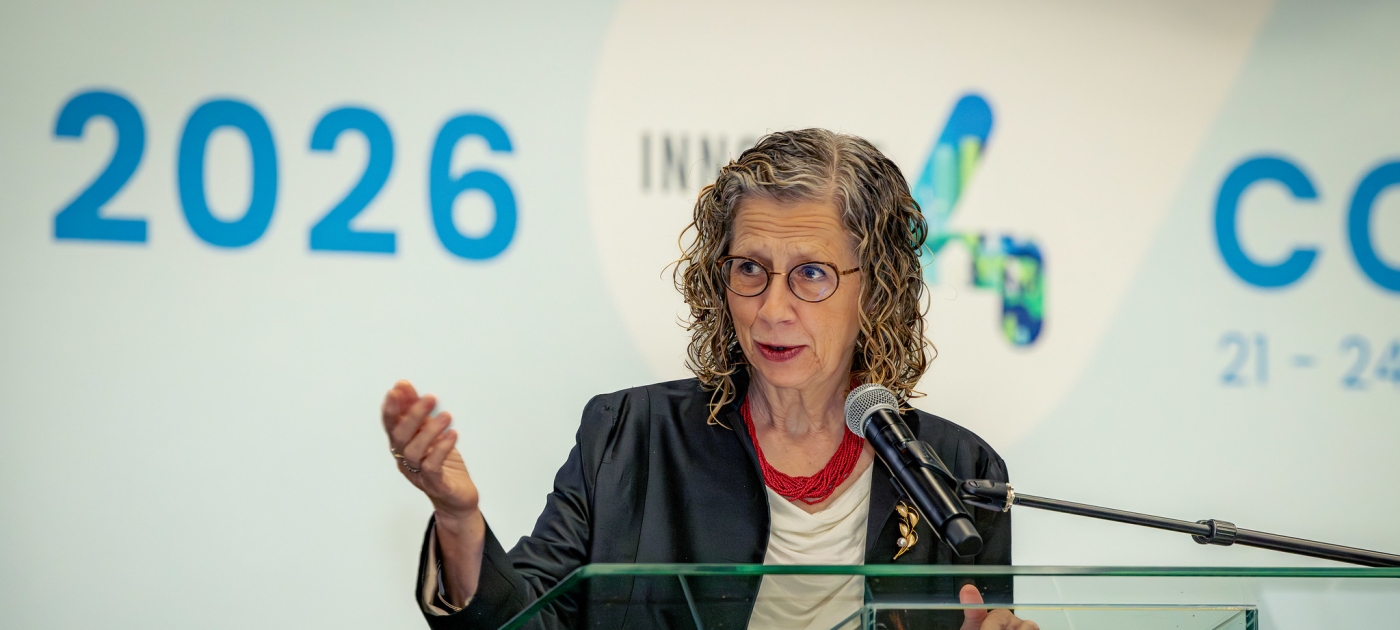
Excellencies, colleagues, and friends,
It is a pleasure to be here with leaders representing cities from every region of the world. My thanks to UN-Habitat and the Global Covenant of Mayors for the invitation to speak today.
Cities are at the centre of humanity's future. They are where most people live, work, innovate and consume. They are also where we must confront one of the defining challenges of our time – how to achieve development and prosperity while addressing our most pressing environmental challenges.
The triple planetary crisis – the crisis of climate change, the crisis of biodiversity, land and nature loss, and the crisis of pollution and waste – is already shaping urban life.
Rising temperatures, floods, water stress, air pollution, waste challenges, ecosystem degradation, and infrastructure damage are affecting cities across the globe. These challenges do not arrive one by one. They arrive together, compounding risks for communities and economies alike. Yet cities are not only vulnerable to these threats – they are uniquely positioned to solve them.
Cities generate much of the world's economic activity and innovation. Local governments are closest to citizens and can respond quickly to emerging challenges. Decisions on transport, buildings, energy, land use, water and waste have consequences that extend far beyond city boundaries. Increasingly, mayors are becoming global leaders of practical action.
Climate action offers a clear example. Investments in renewable energy, energy-efficient buildings, resilient infrastructure, and sustainable mobility strengthen both economic performance and public well-being.
Adaptation measures help cities prepare for heatwaves, floods, and other climate impacts, reducing costly disaster losses and protecting communities. Through the Beat the Heat implementation drive, co-led by UNEP and the COP30 Brazilian Presidency, 235 cities are already working to protect millions of people from extreme heat. This week we know Europe will experience 40°C plus heat, as countries and cities in the global south – including Pakistan – continue to deal with heat closer to 50°C.
At the same time, tackling pollution is critical for health and productivity. Air, water, soil, and plastic pollution impose significant costs on societies and economies. Cleaner environments reduce healthcare burdens, improve workforce productivity and create healthier communities. Circular economy approaches to waste and materials management offer significant opportunities to build cleaner and more efficient cities.
As we pursue these goals, we must ensure that the benefits of environmental action reach everyone. Vulnerable communities often face the greatest environmental risks. A just transition means creating jobs, improving services and expanding opportunities for all. Prosperity is strongest when it is shared.
Innovation and science will help us move faster. Global temperature rise is very likely to soon exceed the 1.5°C limit set out in the Paris Agreement. These consequences are no longer a distant threat; the impacts are here and now for us all to see.
But that does not mean we stop. On the contrary, it means we lean in even further because every digit of a degree matters.
And that is why science matters so much. Cities are not only consumers of knowledge, but they are also generators of it. Data-driven governance, smart-city solutions, and collaborative research can help turn science into policy and policy into investment. Public-private partnerships and access to climate and sustainability finance will be essential to scale successful solutions.
But no city acts alone. Through networks, partnerships, and knowledge exchange, cities are already learning from one another and accelerating change, reinforcing how global progress is strengthened when local action succeeds.
Excellencies,
The prosperous city of the future is within reach. A city with clean air and safe water; thriving nature and efficient mobility; affordable clean energy and inclusive economic opportunity; resilient communities prepared for future challenges.
So, the question is not whether cities can afford environmental action. The question is whether cities can afford to delay it.
The cities that act on climate change, restore nature and address pollution will be the cities that attract investment, create jobs, improve health and deliver lasting prosperity for their people.
Thank you.