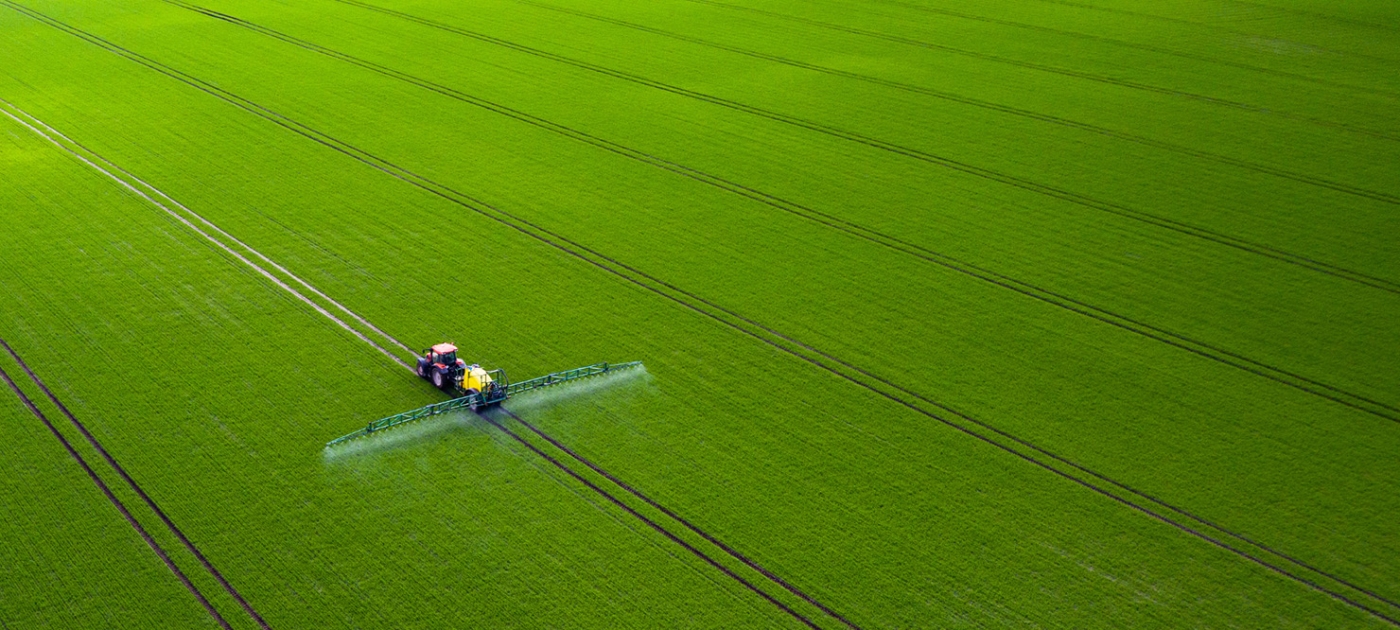
In The Gambia, a group of women gathers in a community garden at the start of another workday. But instead of spraying synthetic pesticides, they are turning kitchen scraps and plant waste into compost after being trained in ways to protect crops, soil and their health.
Thousands of kilometres away in Moldova, a farmer carefully rinses pesticide containers before disposing them using a triple-rinse technique he recently learned through a local training session.
In Armenia, scientists and environmental authorities are working to strengthen mercury monitoring systems so pollution risks can be identified earlier.
Together, these efforts show how countries are turning global commitments on chemicals and waste into local impact.
Chemicals are part of nearly every aspect of modern life, from agriculture and healthcare to electronics and household goods. More than 95 per cent of manufactured goods rely on chemicals. With global chemical production expected to double by 2030, countries now face growing pressure to strengthen systems to manage chemicals and waste safely.
Yet many countries still lack the basic systems to manage risks. When inspectors do not know what to look for, hazardous waste crosses borders unchecked. When farmers have no guidance, they handle toxic pesticides without protection. When national laws lag behind international agreements, pollutants like mercury stay in circulation long after safer alternatives exist.
These are not failures of ambition but of capacity.
This is why UNEP’s Special Programme has been helping countries across Africa, Asia-Pacific, Eastern Europe and Latin America since 2015 to strengthen the systems needed to manage chemicals and waste safely.
The challenge in The Gambia was not just how people were using chemicals on their food but also the fact that many had never been told there were safer ways to grow. Harmful practices were common in communities where regulatory reach was limited and awareness was low.
A nationwide campaign began changing that. Around 280 women gardeners have been trained on composting and alternatives to synthetic pesticides, while 153 farmers, pesticide vendors and environmental inspectors learned how to handle and apply pesticides safely.
“The current project has given us, as regulators, the opportunity to reach out to remote communities across the country to raise awareness about the effects of chemicals and waste and provide safer solutions,” said Lamin Jaiteh, the Registrar of Pesticides and Hazardous Chemicals of National Environment Agency of The Gambia.
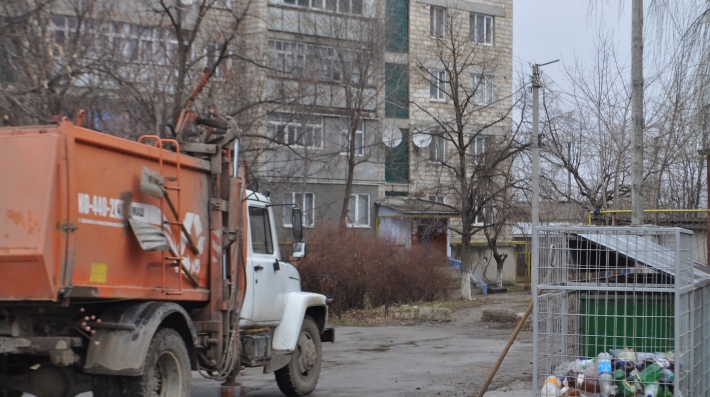
Moldova imports most of the chemicals placed on its market and serves as a transit point for waste shipments crossing borders. Keeping track of what enters and leaves the country, and making sure companies follow the rules, requires customs officers and environmental inspectors to work closely together.
The Special Programmeproject in Moldovabrought those agencies into closer coordination on monitoring transboundary waste shipments, enforcing new waste legislation, and helping farmers safely handle pesticide containers that had previously been discarded without guidance.
“In Moldova, this project has helped us move from a fragmented approach to chemicals and waste management toward a more coordinated, practical and people-centred system,” said Tatiana Tugui, a Moldovan representative involved in the project.
The project also supported Moldova's National Programme for Sound Management of Chemicals for 2023–2030, which sets out how the country will reduce risks from hazardous chemicals, protect public health and align its regulations with international standards.
Armenia, meanwhile, was struggling with a mercury problem it could not fully track. Mercury carries multiple dangers for human and environmental health, including damaging the brain and kidneys, and is particularly harmful to pregnant women and young children. With the help of the Special Programme, Armenia focused on strengthening systems to manage hazardous chemicals and waste more safely. This included new legislation regulating mercury and mercury-containing products such as mercury lamps and thermometers, and introduced stronger controls on imports and exports.
Training programmes also gave customs officers and enforcement authorities the tools to identify hazardous substances at the border and prevent illegal trafficking. And improved monitoring systems now mean pollution risks can be caught earlier, before they become crises.
“Managing chemicals safely requires stronger coordination across their entire life cycle, from import and storage to transportation and disposal,” said Anahit Aleksandryan, an Armenian project representative.
These examples show that progress depends not only on global ambition, but also on countries having the institutional capacity and readiness to act.
“Global commitments can only make a real difference when they are translated into national laws, institutions, data systems, trained professionals and effective coordination mechanisms,” said Jacqueline Alvarez, Chief of UNEP’s Chemicals and Health Branch.
UNEP’s Special Programme was specifically designed to help countries to do just that – and it’s working. The interplay between global goals and the localized action needed to achieve them is also the principle at the heart of the Global Framework on Chemicals (GFC), a landmark agreement adopted in 2023 that sets out a shared roadmap for reducing harm from chemicals and waste. In November 2026, the world will gather in Geneva for the first International Conference of the Global Framework on Chemicals to assess global progress and help shape future action on chemicals and waste.
But far from the international conference halls, these three efforts show that progress is happening one farmer, scientist and policymaker at a time. The work might be unglamorous and incremental, but it is proof that when countries build the capacity to act, global agreements stop being words on paper and become realities.
About the Special Programme
The UNEP Special Programme supports developing countries and countries with economies in transition in strengthening national institutions, laws, policies and governance systems for the sound management of chemicals and waste throughout their life cycle. Through country-driven projects, the Programme helps build long-term capacity to implement the Basel, Rotterdam and Stockholm Conventions, the Minamata Convention and the Global Framework on Chemicals, contributing to the protection of human health and the environment.