For over 1,000 years travelers to Azerbaijan’s Absheron Peninsula have remarked on the locals’ special relationship with oil, a substance so prevalent it has been used in everything from medicine to moats.
Widely recognized as the world’s oldest oil exporter, Azerbaijan’s economy has been heavily dependent on hydrocarbons since the first industrially produced petroleum emerged from the peninsula’s Bibi-Heybat oil fields in 1847.
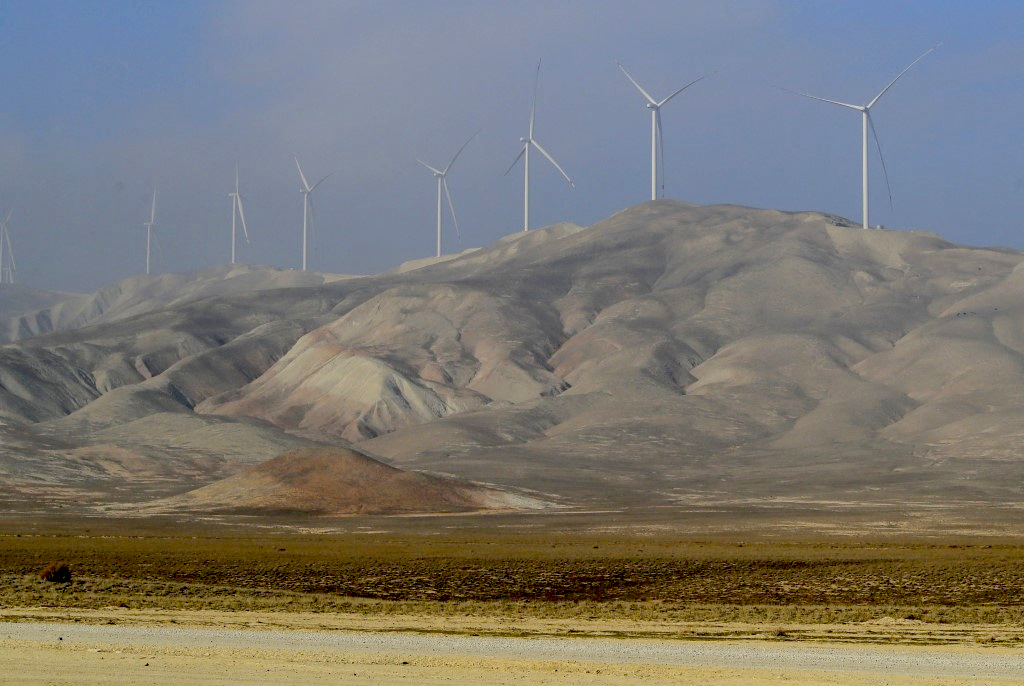
But today the area is home to something other than oil wells — the 37 spinning white turbines of the Khizi-Absheron Wind Farm , the largest wind power plant in the Caucuses.
The facility is part of what observers call an ambitious effort by Azerbaijan to scale up its production of renewable energy. Today, the nation of 10 million is dotted with wind farms and solar arrays, while its leaders harbour visions of exporting enough clean energy to help power Europe’s own renewable revolution.
“You can drill as many wells as you want but sooner or later your production is going to go down,” says Hikmat Abdullayev, Deputy Vice President of the State Oil Company of the Azerbaijan Republic (SOCAR). “With renewables it’s not like that. As long as you clean your solar panels, they’re going to deliver.”

Hydrocarbons still account for nearly half of Azerbaijan’s gross domestic product and over 90 percent of its exports. But in November, 2025 the country updated its national climate action plan , which leans heavily into renewables. In the document, Azerbaijan committed by 2050 to reducing its greenhouse gas emissions by 40 per cent, compared to 1990 levels. It also vowed to increase the share of energy that comes from renewables to 30 per cent by 2030.
The country now expects to beat that target and generate up to 38 per cent of its power from clean sources, says Rafig Mammadov, Head of Strategic Analysis at the Azerbaijan Renewable Energy Agency. He credits a raft of government investments – which triggered a flurry of other investments in solar and wind energy – for the more bullish outlook.
“We are establishing the perfect investment climate for renewables,” he says.
Creating an enabling environment
The burning of fossil fuels is the main driver of climate change. According to a 2024 report by the United Nations, the world needs to triple renewable energy capacity by 2030 to meet its climate goals.
“The good news is that as renewable energy prices fall, clean energy is making more and more financial sense,” says Hongpeng Lei, Chief of the Climate Mitigation Branch of the United Nations Environment Programme (UNEP). “Solar and wind power are now the cheapest sources of new electricity generation – we’re reaching a positive tipping point and the clean energy revolution is now irreversible.”
As the Government of Azerbaijan has made clear, the country’s renewables push is about diversifying its energy production, not pivoting away from fossil fuels. But while there are no plans to stop exploiting Azerbaijan’s still-rich oil and gas reserves, renewable energy is an increasingly important part of the country’s energy strategy.
“In our general national energy security policy, renewables are an important factor,” says Mammadov. “Implementing this project is not weakening our energy policy – it's advantageous for Azerbaijan and for our climate goals.”
One of the country’s largest renewable energy players is SOCAR. Through its subsidiary, SOCAR Green, the company has partnered with foreign companies to build and operate several solar power plants and wind farms.
“I think it will be extremely beneficial to diversify our core activities,” explains Abdullayev, the firm’s deputy vice president. “Our direction is to become an energy company, rather than an oil and gas company, and part of that vision is to increase the portion of our activities that are renewable.”
There is one key reason for that, he says. “It’s in the name. Renewables are the future. Sooner or later fossil fuels will be decreasing but with renewables it’s another story.”
Spinning turbines and gleaming panels
The Government of Azerbaijan is offering a raft of incentives to develop renewable energy projects in the country. Those include tax breaks for projects valued at up to 30 million manat (around US$17.7 million) and renewable energy facilities with installed capacity of over 100 megawatts.
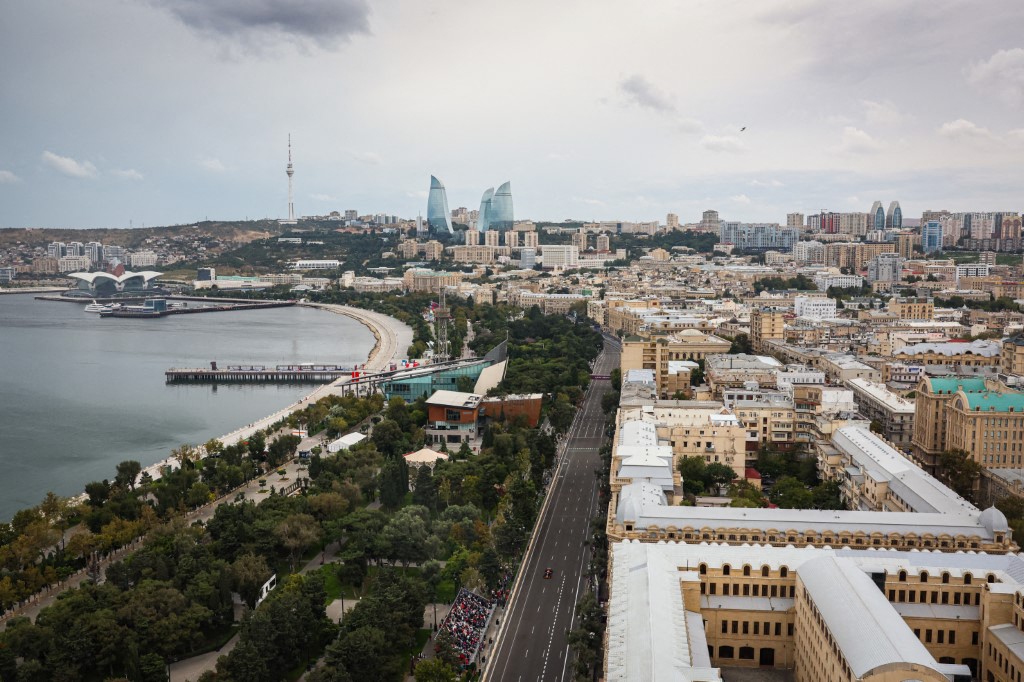
Over the past several years these efforts have been paying off, with some of the region’s most significant renewable energy installations already installed near the capital, Baku. These include the 240-megawatt Khizi-Absheron Wind Farm, commissioned in January 2026. Its turbines produce enough electricity to power more than 300,000 homes, according to Mammadov. The renewable energy from Khizi-Absheron saves the equivalent of 330 million cubic meters of natural gas per year.
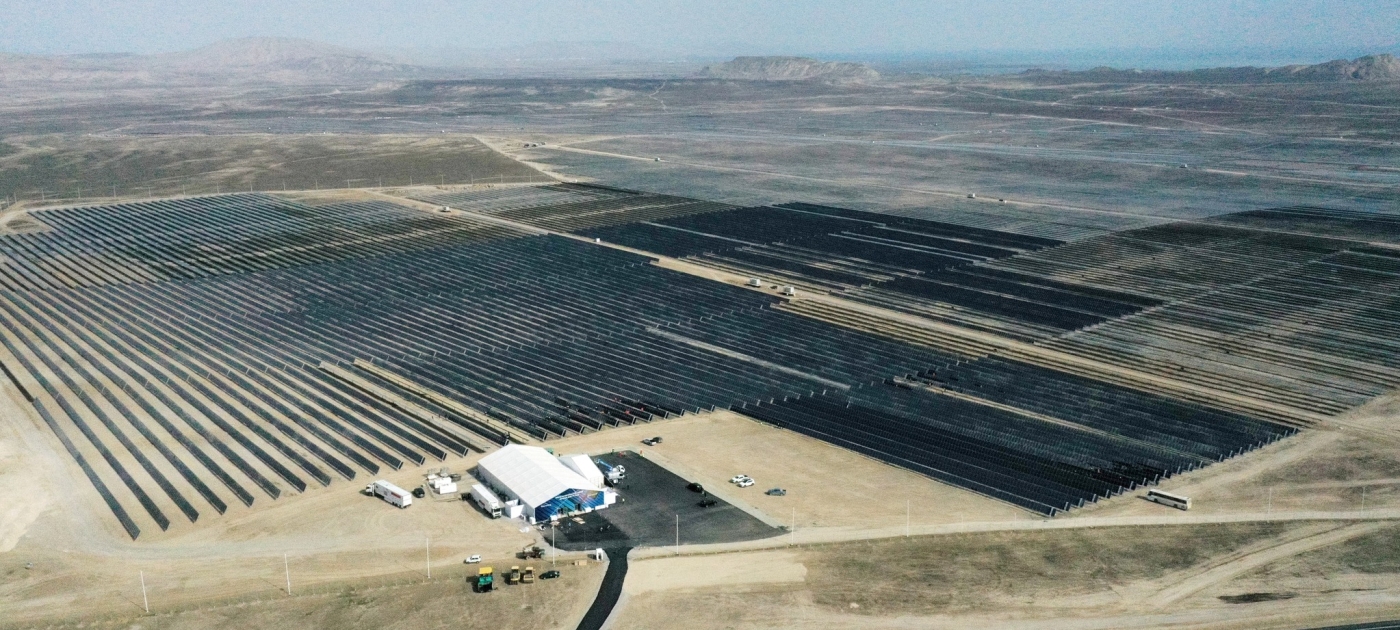
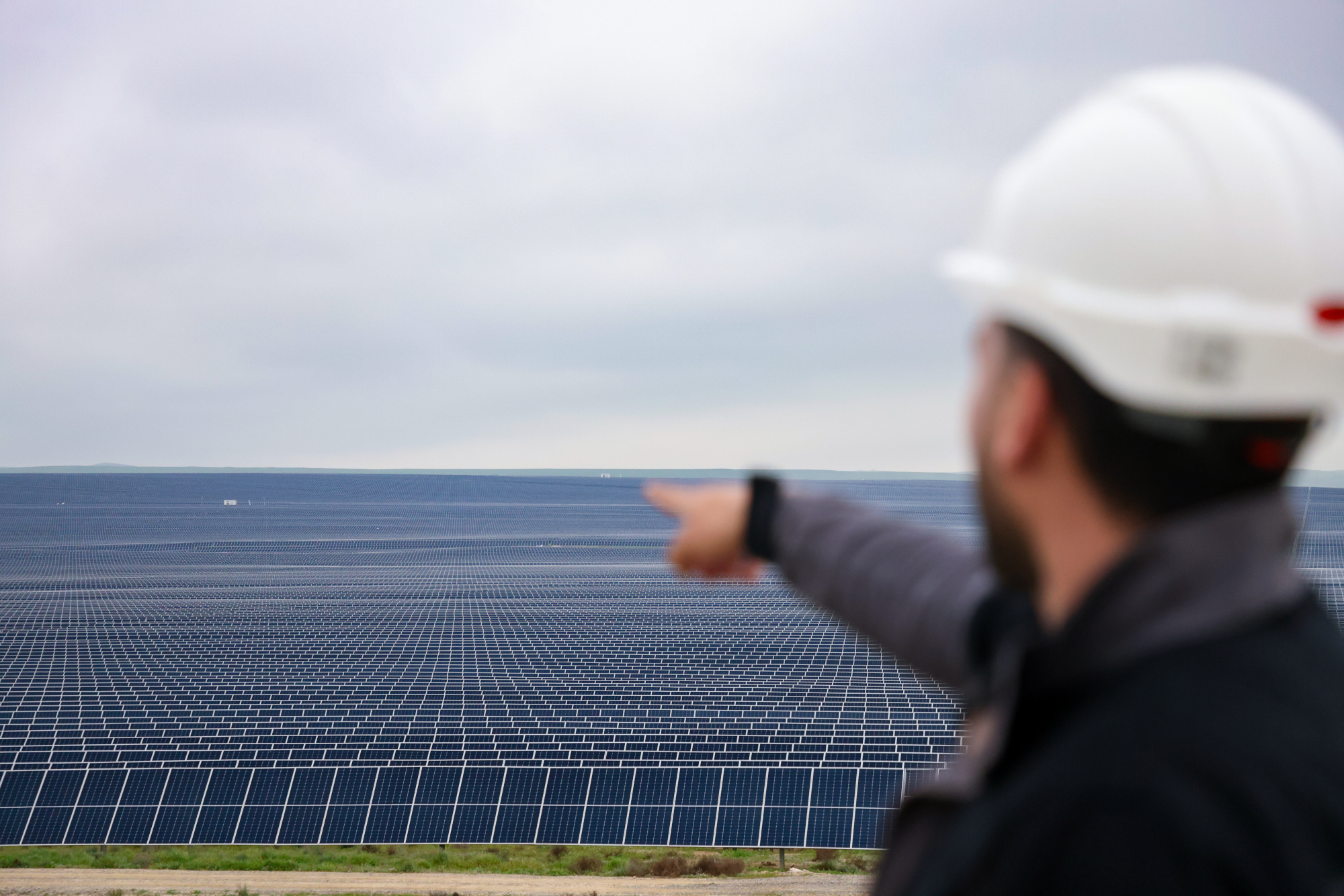
Further south, the sprawling Garadagh Solar Power Plant – a sea of 570,000 gleaming solar panels – was the largest solar power facility in the Caspian region when it was commissioned in 2023. The plant generates enough electricity to power 110,000 homes, saving around 200,000 tonnes of carbon emissions per year. Developed and operated by Saudi company Masdar though a public-private partnership with the Azerbaijan government, the Garadagh plant is set to nearly double in size in the coming years.
Through projects already approved, Azerbaijan has reduced its annual greenhouse gas emissions by 600,000 tonnes, says Mammadov from the country’s renewable energy agency. That’s about the same as removing 130,000 cars from the road.
A regional hub for renewable energy
Azerbaijan’s renewable energy strategy extends beyond its borders. The country has been developing multiple “green energy corridors.” That includes a high-voltage transmission line slated to run under the Black Sea and into Georgia. Officials hope it will one day allow the country to export renewable energy to Central Asia and Europe.
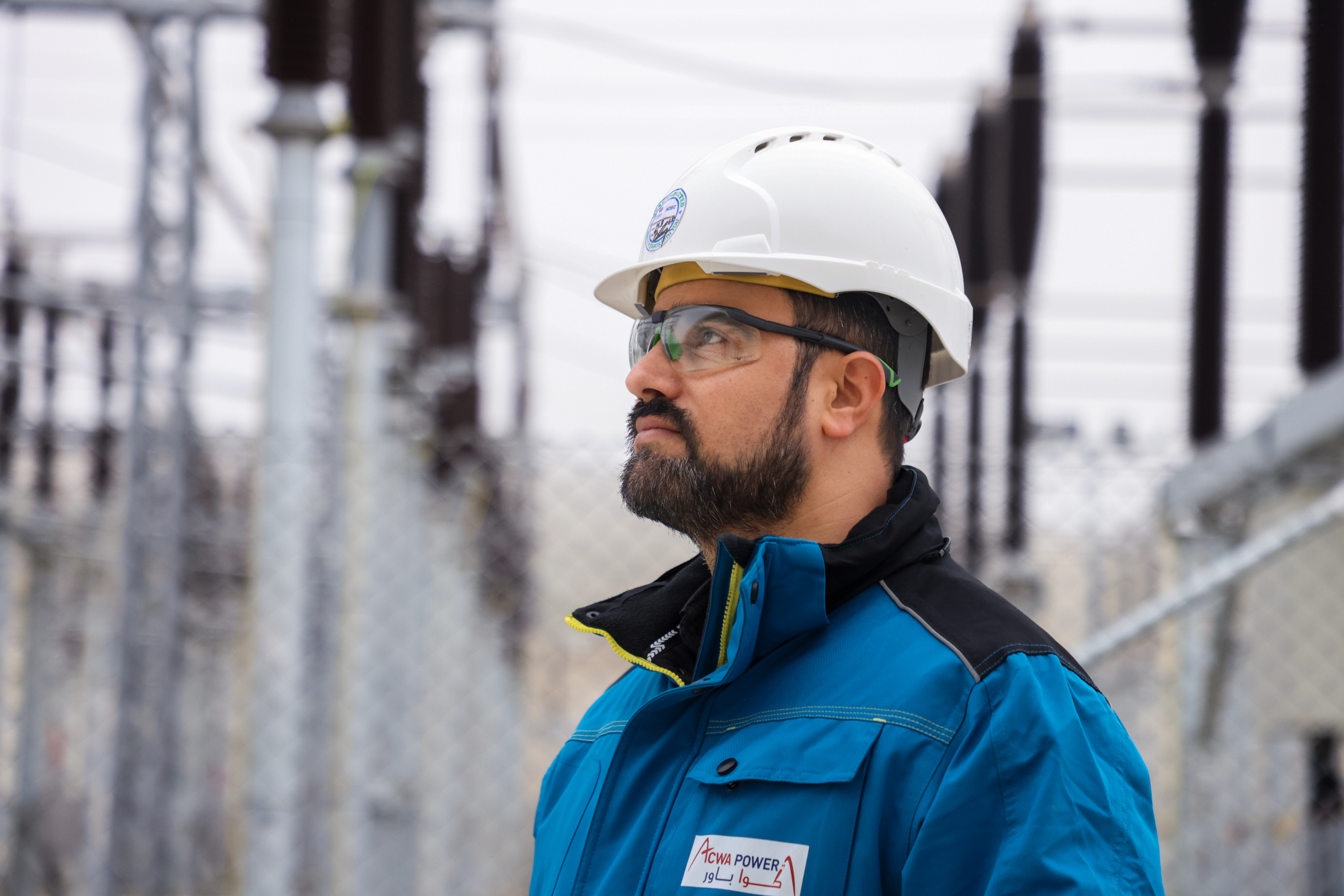
The green energy corridors, Mammadov says, provide an added incentive for renewable project developers looking to invest in Azerbaijan, allowing them easier access to European markets.
“Azerbaijan has been an energy hub for a very long time,” says Mammadov. “We want to also do that for green energy.”
About World Environment Day
World Environment Day, celebrated annually on 5 June, is one of the planet's largest platforms for environmental outreach and is led by the United Nations Environment Programme (UNEP). This year's iteration, hosted by Azerbaijan, will focus on the mushrooming climate crisis. See how you can get involved.
Story written by Hilary Heuler
Reviewed by Ruth Do Coutto, Mahir Aliyev, Hongpeng Lei, Arnold Kreilhuber