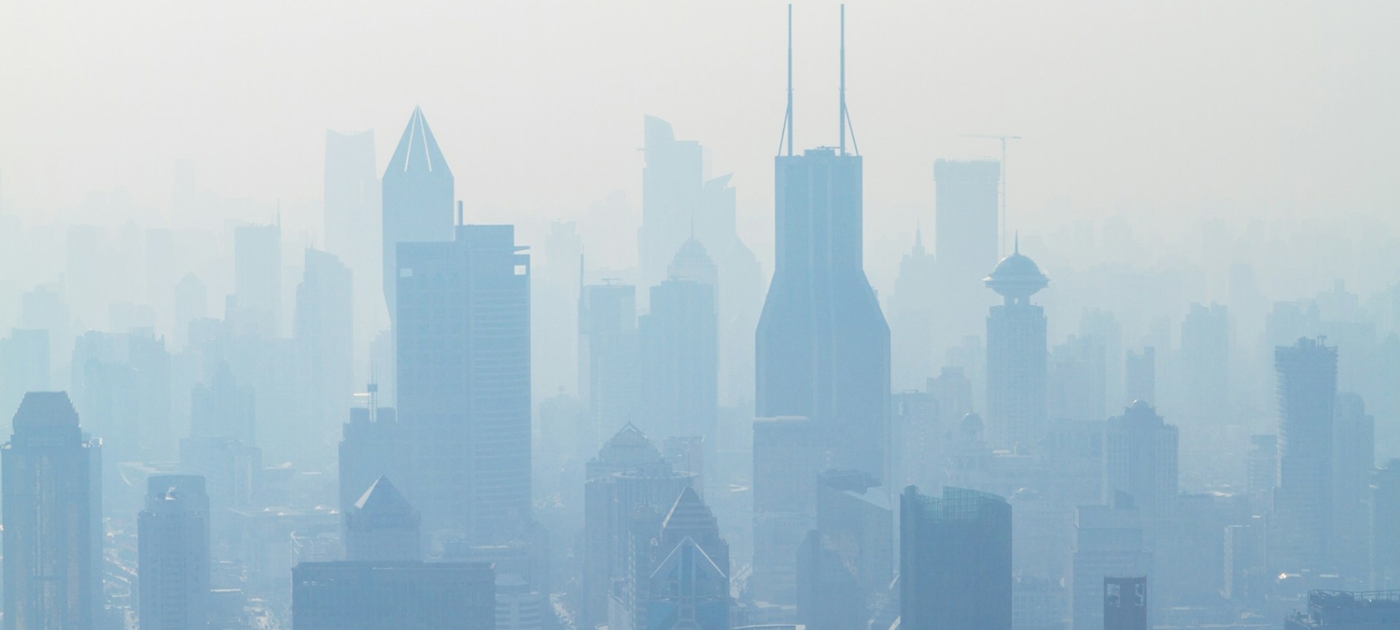
Air pollution is the greatest environmental health risk of our time— a silent killer that claims more than 8.1 million lives every year.
Air pollution and climate change are closely interlinked, because they stem from common sources and have a shared impact on the release of greenhouse gas emissions. The good news is that addressing air pollution can bring significant benefits for human health, the climate and the economy.
UNEP plays a pivotal role in addressing this pressing need to improve global air quality by:
- Mobilising industry and private sector partnerships to redirect investments towards cleaner practices in high-impact sectors.
- Providing advisory support to countries and cities in detecting and reducing harmful pollutants through policy and regulatory actions.
- Enhancing the evidence base for informed decision-making by conducting air quality monitoring, health-impact assessments, sector-specific interventions, and economic analyses.
- Strengthening global and regional initiatives focusing on air quality advocacy and networks.





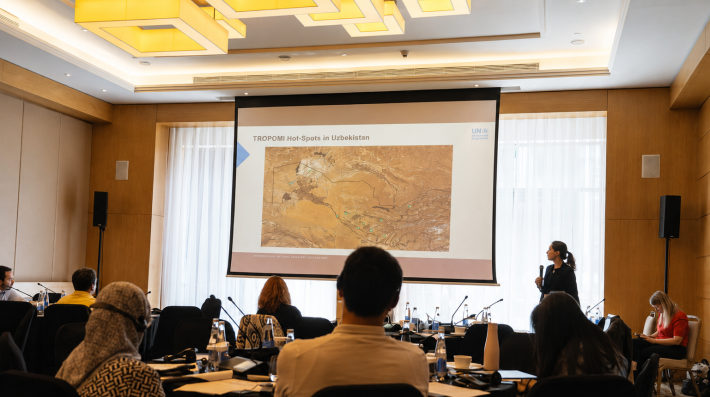



The UN Environment Programme collaborates with governments, businesses and individuals to combat air pollution, in addition to other partners and networks.