News Sustainable Development Goals

Funding partner spotlight

Credit: Todd Brown/UNEP

The United Nations Environment Programme (UNEP) is the world’s leading authority on the environment, working with all of society across 193 countries to protect and restore human and planetary health. But action at scale depends on funding, and UNEP relies on voluntary contributions for more than 95 per cent of its work. This includes contributions to UNEP’s core fund, the Environment Fund; to the three UNEP Planetary Funds for climate, nature and pollution; and earmarked contributions that provide direct support to specific projects. 

Flexible and sustained funding ensures UNEP can keep advancing critical priorities, and every contribution helps accelerate progress toward a cleaner, safer and more sustainable future for all. See how to partner with UNEP to invest in people and planet, and read below for regular funding updates.

Related: Status of contributions
05 Jun 2026 17:40

UNEP and Japan strengthen partnership on climate, nature and pollution

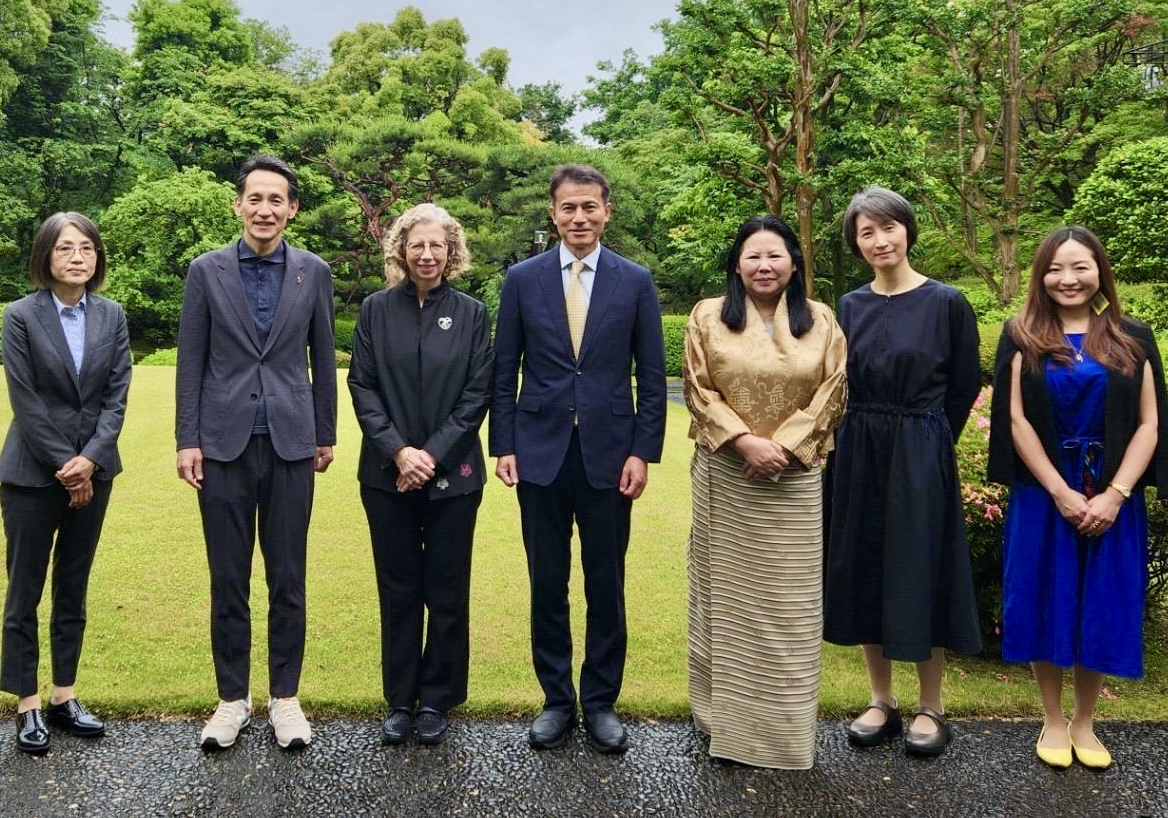
UNEP Japan consultations
Credit: UNEP

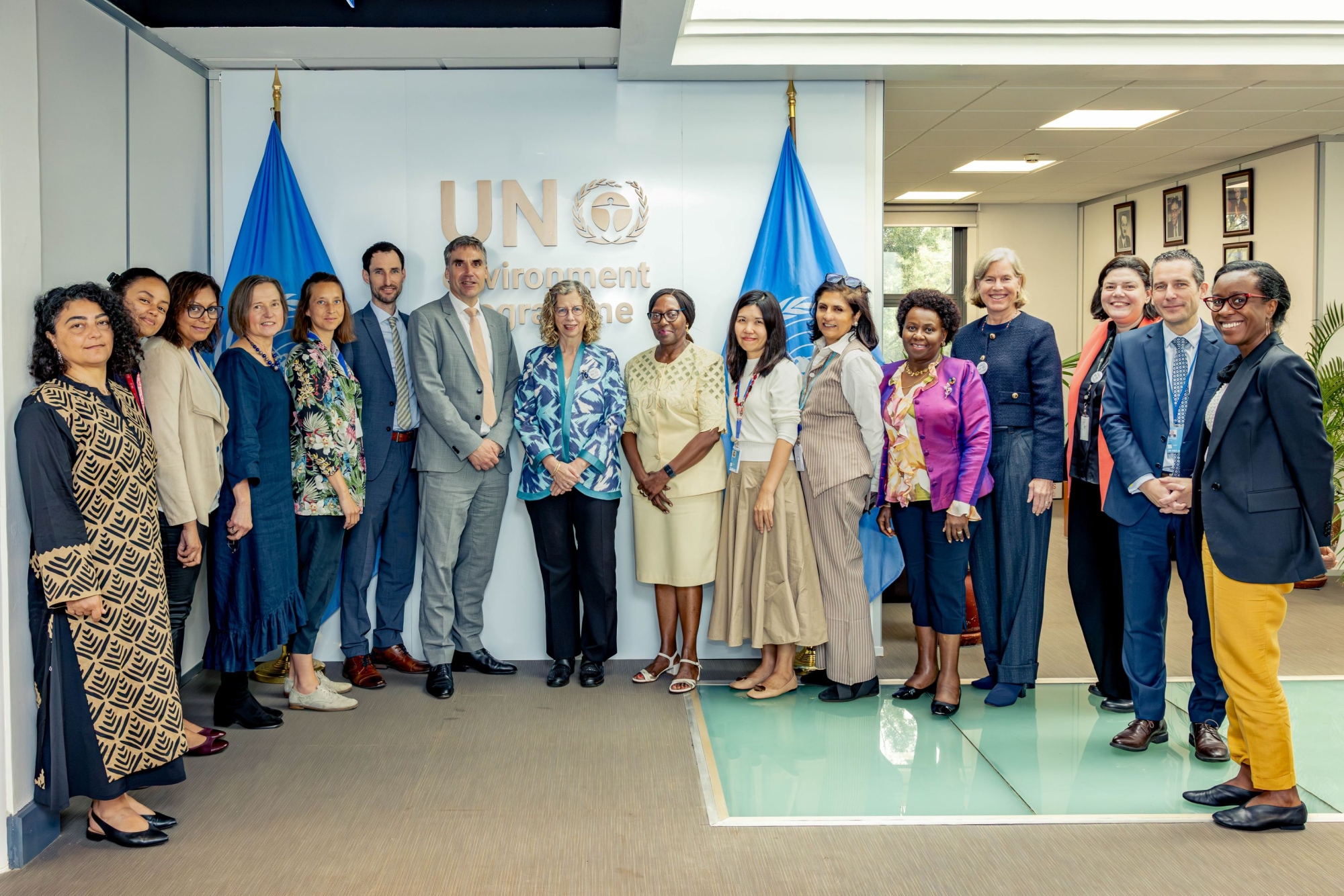
UNEP Executive Director Inger Andersen, Japanese Vice Minister for Global Environmental Affairs Kentaro Doi, and senior representatives from Japan’s Ministry of the Environment and Ministry of Foreign Affairs met in Tokyo on 21 May 2026 for the 8th UNEP-Japan Policy Dialogue.

The meeting reaffirmed the strong and enduring partnership between UNEP and Japan and provided a platform for exchanging views on pressing global environmental challenges and strengthened cooperation. Discussions focused on key issues including biodiversity, plastic pollution, chemicals and waste management and the circular economy, as well as climate change and regional cooperation in Asia-Pacific. The dialogue also addressed cross-cutting issues, including synergies across multilateral environmental agreements, implementation of UNEA resolutions, the post-2030 agenda and UN80 reforms.

Japan’s longstanding support — through UNEP’s core fund, the Environment Fund, and targeted programme contributions — was reaffirmed, alongside a shared commitment to addressing the triple planetary crisis of climate change, biodiversity loss and pollution.
UNEP-Japan high-level policy dialogues have been convened since 2015 to advance strategic collaboration and align on shared environmental priorities.
 

30 Apr 2026 10:16

EU–UNEP partnership delivers community-led climate resilience in Central Asia

Fergana Valley
Credit: Daniel Mennerich / Flickr


With support from the European Union (EU), UNEP is advancing community-led climate resilience in Central Asia’s Ferghana Valley, a climate hotspot with growing environmental risks that are straining communities and driving involuntary migration. US$1.3 million provided by the EU is now being directly channelled to eight local civil society organisations (CSOs) for the implementation of 17 peace-oriented locally-led adaptation initiatives via a structured sub-granting mechanism. Funds are disbursed in tranches linked to milestone delivery, ensuring accountability while empowering local actors to plan, design and lead nature-based solutions for climate resilience and social cohesion. UNEP provides technical assistance while the Scientific Information Centre of the Interstate Commission for Water Coordination (SIC ICWC) implements the project, in partnership with the CSOs. The CSOs were selected through an open call for proposals, under “Facilitating region-specific approaches to addressing climate and environment-related risks for peace and socioeconomic stability in Central Asia." Read more here.

15 Apr 2026 11:48

Nordic consultations with UNEP focus on ensuring environmental multilateralism remains strong and properly resourced

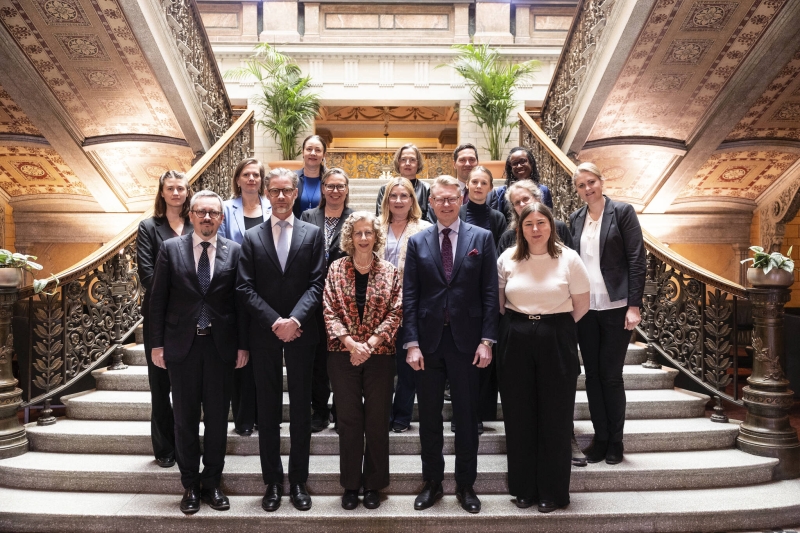
UNEP Nordic constulations delegation
Credit: Åsa Pihlström / Finland


On 13 April, the Nordic countries including Denmark, Finland, Iceland, Norway and Sweden and joined UNEP in Helsinki for 2026's annual UNEP-Nordic consultations.

Against the backdrop of shifting geopolitics and increasing pressure on multilateralism, the consultations discussed the future of the environmental agenda within the UN system, safeguarding science as the foundation for decision-making, and key outcomes and follow-up steps of the seventh session of the UN Environment Assembly (UNEA-7).

As long-standing and leading contributors to UNEP’s Environment Fund the financial backbone of the organization, the Nordic countries reaffirmed their commitment and continued support to UNEP.

This year’s consultations were hosted by Finland and chaired by Mika Nykänen, State Secretary at the Ministry of the Environment. Participants included Daniel Westlén, State Secretary at Sweden’s Ministry of Climate and Enterprise; Astrid Hoem, State Secretary at Norway’s Ministry of Climate and Environment; H.E. Jakob Nymann-Lindegren, Ambassador of Denmark to Finland; Elin R. Sigurdardottir, Director General for International Development Cooperation at Iceland’s Ministry for Foreign Affairs; and Inger Andersen, Executive Director of UNEP.

26 Mar 2026 11:56

European Commission and UN Environment Programme renew commitment to science and global environmental cooperation

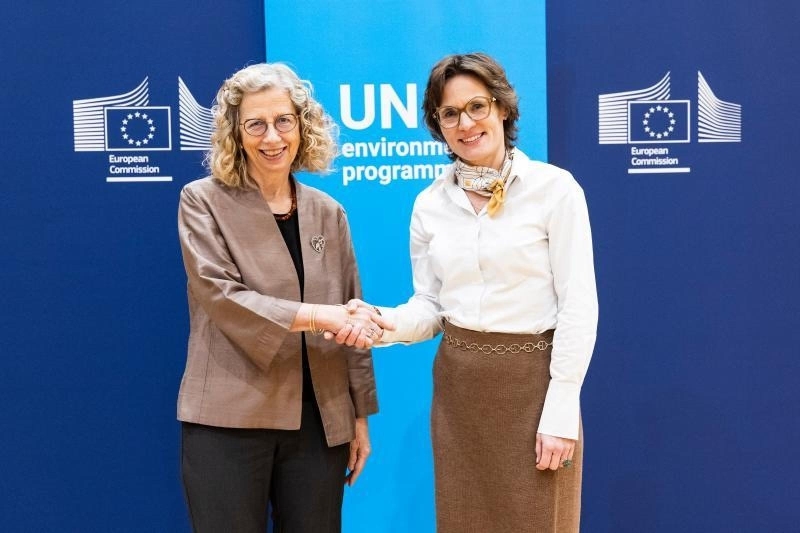
Photo courtesy of the European Commission


On 16 March 2026, the European Commission and the United Nations Environment Programme (UNEP) reaffirmed their commitment to science-based environmental cooperation and multilateralism during a high-level meeting in Brussels.

The meeting was held between Commissioner Jessika Roswall and UNEP Executive Director Inger Andersen and focused on aligning key focus areas amid growing geopolitical uncertainty and environmental pressures. Both institutions stressed the critical role of scientific evidence in informing policy decisions, particularly in addressing environmental crises.

The partners agreed on a new annex to their Memorandum of Understanding for 2026–2029, outlining joint priorities including strengthening global environmental governance, enhancing the science-policy interface and building coalitions ahead of major international negotiations. 

They also committed to advancing negotiations on a global treaty to end plastic pollution and highlighted recent multilateral achievements, including outcomes from UNEA-7 and the establishment of a new science-policy panel on chemicals and waste

Read more here.

19 Mar 2026 16:09

Japan and UNEP launch new funding for broad environmental action, crisis recovery and resilience

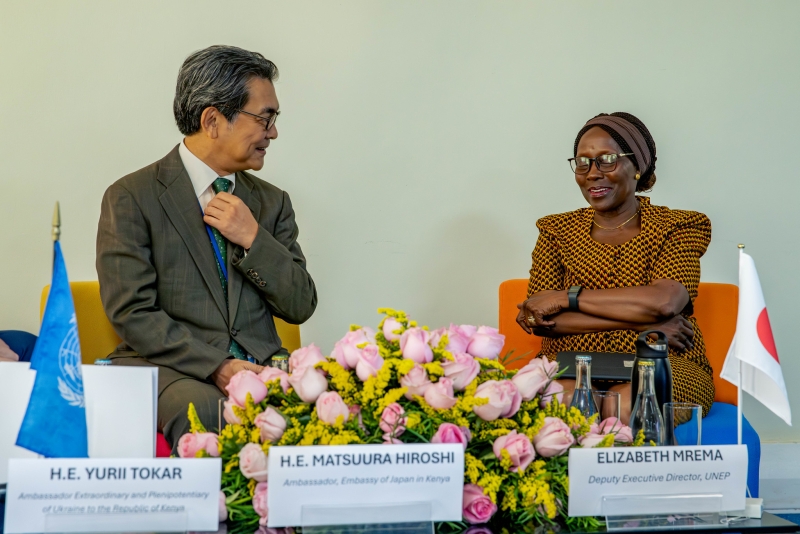
Ambassador of the Permanent Mission of Japan in Nairobi Matsuura Hiroshi and UNEP’s Deputy Executive Director Elizabeth Mrema at the supplementary budget kick-off ceremony. Credit: Ahmed Nayim Yussuf / UNEP


Representatives of the Government of Japan and the United Nations Environment Programme (UNEP) announced a new round of supplementary funding for 2026 dedicated to addressing critical environmental challenges, including those arising from conflict and crises. 

The launch ceremony for the allocation of US$4.2 million to UNEP under Japan’s 2025/2026 Supplementary Budget was attended by the Ambassador of the Permanent Mission of Japan in Nairobi Matsuura Hiroshi and UNEP’s Deputy Executive Director Elizabeth Mrema among others. 

The funds will support the development and continuation of a wide range of critical activities including the development of secure landfills for hazardous waste in Ukraine; ongoing efforts to sustainably manage post-conflict debris in Iraq; enhancing resilience to sand and dust storms in Uzbekistan; development of circular wastewater solutions for post-disaster recovery in Mozambique; AI-enabled waste categorization in Lesotho; and advancing climate-responsive plastic waste management in India, the Philippines, Uganda and Malaysia. The funds will also support work toward ending plastic pollution globally. 

This latest tranche in a series of annual supplementary funds further solidifies Japan as a top funding partner of UNEP.   

22 Jan 2026 13:46

UNEP and UK Launch US$5 Million adaptation programme

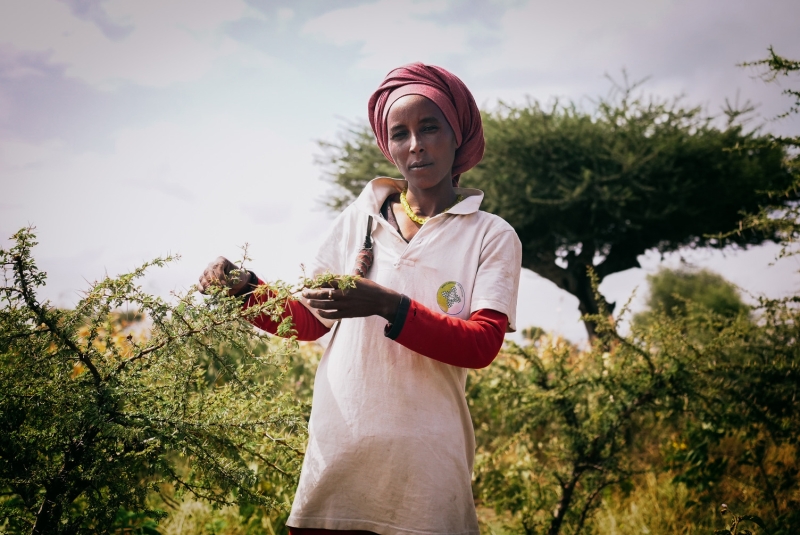
Regreening Africa
Credit: Frank Machiya / UNEP


Funded by UK Aid through the Foreign Commonwealth and Development Office (FCDO)’s Climate Adaptation and Resilience (CLARE) Research Programme, the United Nations Environment Programme (UNEP) has launched the USD 5 million, 18-month Raising Adaptation Impact and Ambition (RAIA) project to strengthen economic evidence, institutional capacity and policy frameworks for climate adaptation in developing countries in Africa.

Implemented by UNEP with the Stockholm Environment Institute (SEI) Africa, the programme will build African economic research capacity for strengthened adaptation policies and planning systems, aiming ultimately to increase the implementation of climate adaptation action.

A portion of the funding will also support UNEP’s Adaptation Gap Report 2026, to help deepen data and methods, broaden Global South authorship, and expand coverage of emerging adaptation issues and solutions, working in partnership with the UNEP Copenhagen Climate Centre.

19 Dec 2025 11:10

The GEF announces USD 52.8 Million for four new UNEP-led initiatives

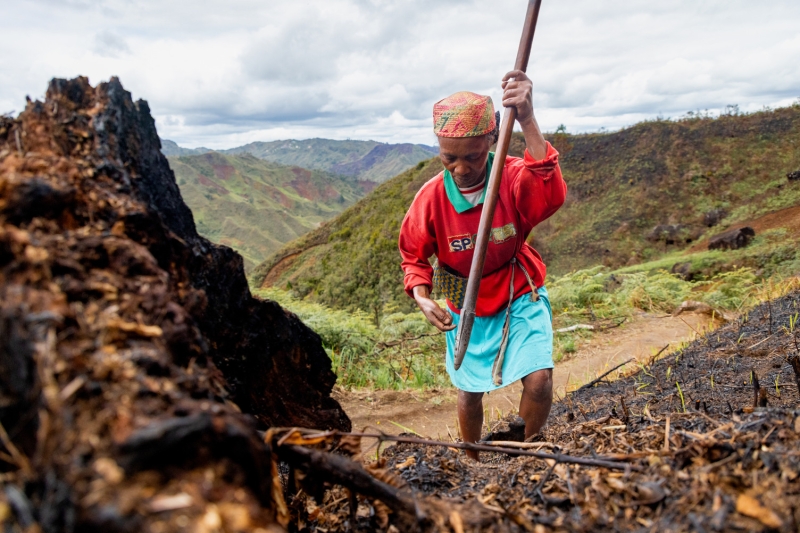
Madagascar
A farmer in Madagascar. Credit: Florian Fussstetter / UNEP


At its 70th Council Meeting, the Global Environment Facility (GEF) approved US$52.8 million for four new UNEP-led projects supporting ecosystem restoration, clean mobility and climate transparency. Announced one week after UNEA-7, the funding will back initiatives in Madagascar and Indonesia along with a global climate reporting programme covering 25 countries. UNEP Executive Director Inger Andersen said the investments translate multilateral ambition into action, while GEF CEO Carlos Manuel Rodríguez highlighted their high-impact approach. The projects build on UNEP and the GEF's partnership of more than 30 years, delivering environmental benefits in over 160 countries. Read more here.

17 Nov 2025 15:57

Korea Forest Service funding delivers 949 hectares of restoration in Africa

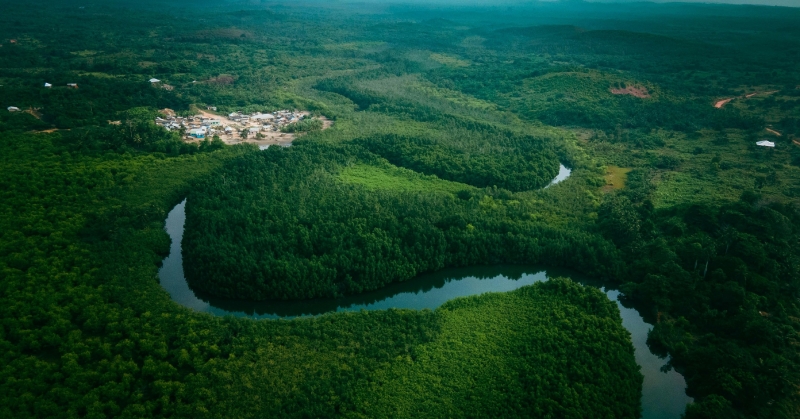
Mangrove forest in Ghana
Credit: Ato Aikins / Unsplash


Deforestation is one of the most critical envrionmental issues in Africa. Between 2010 and 2020, the continent experienced the world's highest deforestation rate, with approximately 3.9 million hectares of forest disappearing annually. To address this, the Korea Forest Service has funded more than US$1.5 million in projects delivered with the UN Environment Programme across seven countries, including Benin, Burkina Faso, Ethiopia, Ghana, Morocco, Niger and Togo. As a result, 949 hectares of degraded land have been restored, providing further benefits for biodiversity, water supply, local incomes and more.

Read the full story here.

18 Oct 2025 07:53

UNEP–China consultations deepen collaboration across environmental priorities

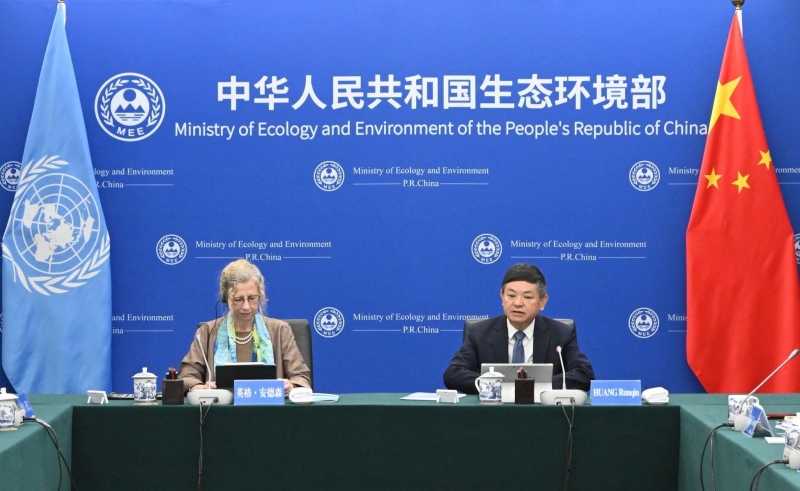
UNEP-China consultations
Credit: UNEP


Since 2006, the United Nations Environment Programme (UNEP) and the Government of China have convened consultation meetings to advance strategic collaboration and align on shared environmental priorities.

The second part of the 14th UNEP-China Consultation Meeting high-level segment was held in Beijing on 17 October 2025, bringing together UNEP Executive Director Inger Andersen, Minister Huang Runqiu from the Chinese Ministry of Ecology and Environment, and senior representatives from the Supreme People’s Court and China Meteorological Administration. This followed upon a technical discussion meeting, convened on 24 September 2025, attended by UNEP Deputy Executive Director Elizabeth Maruma Mrema and senior-level colleagues from UNEP divisions joining the meeting online from Nairobi, Paris, Geneva, Bangkok and Beijing, as well as senior representatives from multiple ministries of the Chinese Government.

This consultation reaffirmed the longstanding collaboration and strategic partnership between UNEP and China, serving as a vital platform to assess progress, align priorities, and chart a course for deeper collaboration in areas including environmental governance, South-South cooperation, and action on biodiversity, circular economy, pollution and climate change.

China’s steadfast support for UNEP extends beyond consistent contributions to the UNEP Environment Fund to include programme funding under the China Trust Fund and Kunming Biodiversity Fund. As a strong partner of UNEP, China drives impact through its support to innovative environmental projects, investment in biodiversity contributions to Multilateral Environmental Agreements and more.
16 Oct 2025 15:54

UNEP–Japan consultations reaffirm joint action across the triple planetary crisis

People pose for a photo.
Credit: UNEP


Since 2015, the United Nations Environment Programme (UNEP) and the Government of Japan have convened high-level policy dialogues to advance strategic collaboration and align on shared environmental priorities.

The seventh UNEP-Japan Policy Dialogue was held in Tokyo on 14 October 2025, bringing together UNEP Executive Director Inger Andersen, Vice Minister for Global Environmental Affairs Kentaro Doi from the Japanese Ministry of Environment, and Principal Deputy Director of the Global Environment Division Maria Yamazaki from the Global Issues Bureau of Japan’s Ministry of Foreign Affairs.

This dialogue reaffirmed the enduring partnership between UNEP and Japan, serving as a platform to exchange views on urgent global environmental challenges and identify new opportunities for collaboration. Building on their longstanding cooperation across issues such as air and plastic pollution, biodiversity and climate change, both partners emphasized their shared commitment to advancing sustainable solutions for people and planet.

Japan’s steadfast support for UNEP extends beyond targeted programme funding to include consistent contributions to the UNEP Environment Fund – a commitment maintained since the Fund’s establishment in 1973.