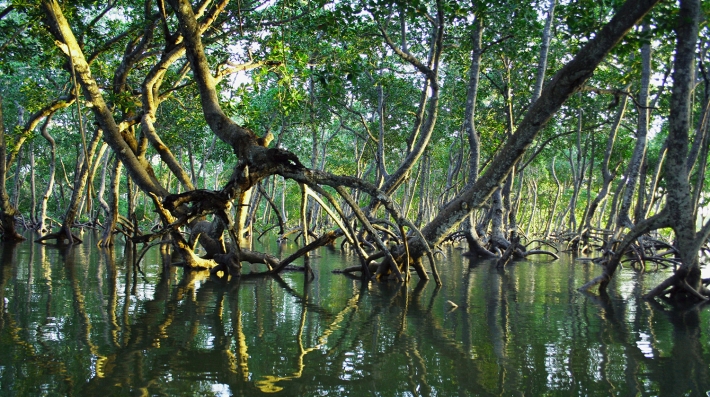
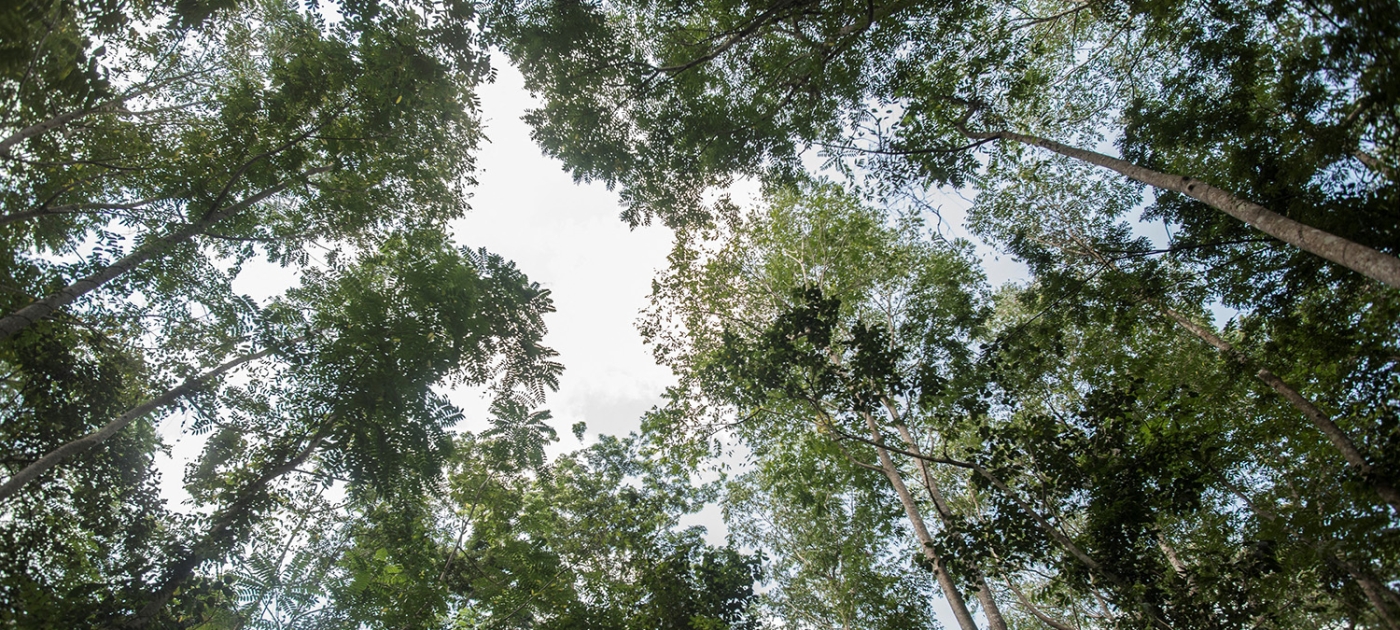
Tucked between the emerald mountains of Togo's Plateaux region Atakpame, a town of 80,000, is known as the "city of seven hills." Famous for its lush forests of teak, banana and mahogany trees, the region has also become a hotspot of Togo's alarming deforestation – the country lost nearly 49,000 hectares of forests between 1985 and 2013.
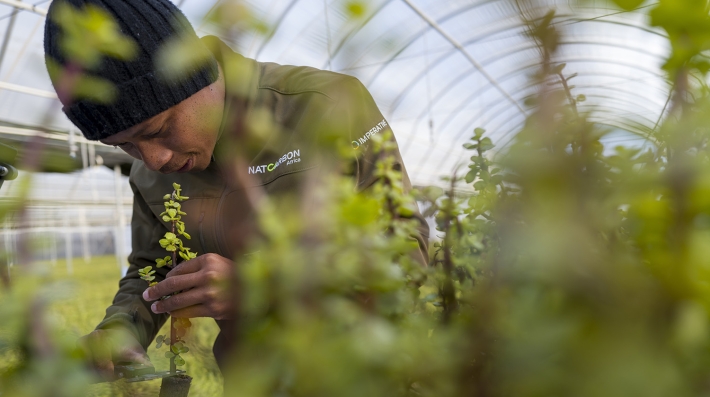
The situation began to change in 2019, when Atakpame residents, with support from the United Nations Environment Programme (UNEP) and funding from the Korea Forest Service, started planting new trees in a bid to save the region's fragile mountain ecosystems.
"When you look at our mountains now, you see that they are darker from the trees – they have become more beautiful. Wild animals returned and we have better rains," says Mensah Agouti, a resident of Atakpame, who has participated in the project since 2019. For Agouti and his community, the forest is not only a distinct feature of the region's landscape – their livelihoods directly depend on it.
Togo is one of seven African countries that have benefitted from the UNEP-led project, which has helped restore 949 hectares of degraded land, enhance biodiversity and helped local communities generate sustainable income thanks to the financial support from the Korea Forest Service.
"Forests are the lifeblood of communities across Africa," says Patricia Kameri-Mbote, the head of UNEP's Law Division. "Planting trees and restoring biodiversity not only protects the natural environment - it helps increase crop production and secure livelihoods. One of our objectives was to ensure that people can count on a sustainable income source."
Between 2010 and 2020, the African continent experienced the world's highest deforestation rate, with approximately 3.9 million hectares of forest disappearing annually. This loss led to social, economic and environmental consequences for African communities, who rely on the ecosystems for firewood, food, medicine and income.
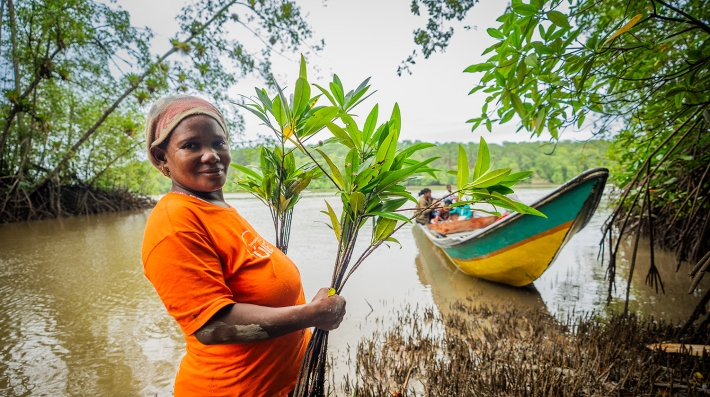
Throughout the continent, deforestation has exacerbated climate change, as forests play a crucial role in ensuring stable and predictable rainfall patterns. In the Sahel, a semi-arid region bordering the Sahara Desert, these realities are especially stark.
In Niger, for example, the loss of forests resulted in longer dry spells, rising temperatures and worsening food insecurity. Droughts have become more frequent, and the most economically disadvantaged communities are paying the heaviest price.
Harsh economic realities often drive deforestation in Africa. Many vulnerable communities see illegal logging as their only source of income, unaware of the long-term harmful impact deforestation will have on their economic security.
In Ghana, the project helped maintain 40 hectares of coconut trees and new plantations, boosting harvests. In Niger, farmers received support to enhance moringa and onion production - both valuable crops on the local and international markets.
Besides supporting local economies, trees help improve people's health and quality of life. Fifty hectares of the green belt in Niger's capital city of Niamey were restored, thanks to the UNEP project. The effort has helped stabilize soils and hold back the desert. It is also critical to improve air quality and reduce heat.
To counter the scarcity of water in areas suffering from deforestation, communities participating in the project have been using treated wastewater to irrigate seedlings and green dry lands.
"The active participation of the communities empowered them to take ownership of their environmental resources and create economic opportunities for a more sustainable future. We are proud of what they have achieved," says Kameri-Mbote.
Taking advantage of the opportunities offered by the project, communities in Togo have replanted 120 hectares of forests and installed fences to protect young trees from bush fires and stray animals. They have also restored 49 hectares of degraded land. These efforts proved instrumental in significantly improving soil quality, enhancing soil conservation and increasing biodiversity, bringing hope for a greener and more prosperous future.
"I keep telling people that we must continue replanting our forest and protecting it," Agouti says. "This project helped us a lot. Now I come across animals I haven't seen in a very long time. We are rediscovering our forest and we can teach our children to live in harmony with it."