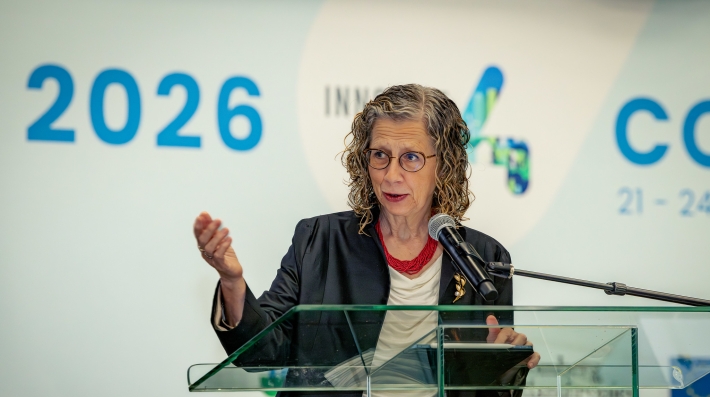

Welcome to this side event on how to mobilize capital for the transition towards a circular economy.
Let me also take this opportunity to welcome Ambassador Julio Cordano, the new Chair of the Intergovernmental Negotiating Committee (INC) on Plastic Pollution. The INC process remains strong with ongoing momentum and the informal in-person meeting of Heads of Delegation coming up. I look forward to hearing the Chair’s thoughts on how that process could help to mobilize investment in ending plastic pollution.
Friends,
We cannot exit the plastic pollution crisis by waste management alone. Most plastics ending up in waste streams are not designed for recycling. The volumes of waste are already overwhelming. Waste management and recycling systems, which already cannot cope, cannot overtake unrestrained growth in plastic waste. So, we need to back prevention, reuse, redesign and circular business models. And we need to mobilize finance to this end.
But the public finance gap remains significant. There is limited data on finance for full lifecycle solutions, but Official Development Finance commitments on solid waste management in 2021 were around US$1.8 billion, less than a tenth of estimated need to substantially reduce plastic pollution.
Private finance is also lacking. US$32 billion of private investment was mobilized per year between 2018 and 2023. Over US$1 trillion is needed annually to reduce plastic pollution by 90 per cent by 2040. And the finance that is available is not going to the right places. Over 80 per cent of private investments went to downstream solutions. Emerging markets facing major pollution and infrastructure challenges received only 6 per cent of total investment.
This is a market-design problem, not just a financing problem. So, how do we start to fix this?
One, we need laws, regulations and policies that improve the direction, predictability and integrity of finance for the circular economy.
Environmental regulations and fiscal instruments, such as product design requirements, Extended Producer Responsibility regulations, recycled-content mandates and eco-modulated packaging fees can provide an enabling environment for circular solutions. Such regulatory and policy design ensures a level playing field and leads to revenue infrastructure, demand signals and market-creation opportunities.
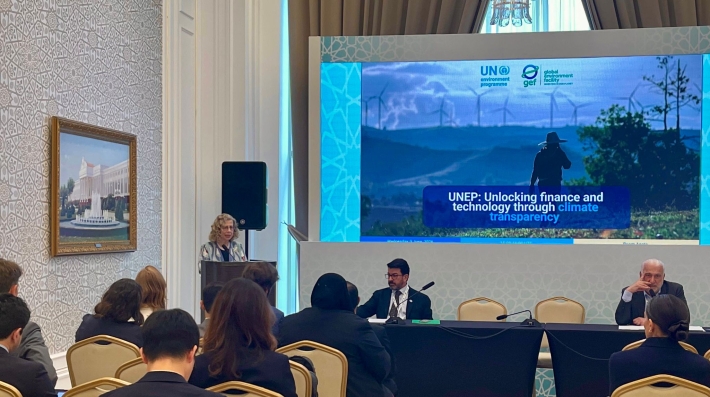
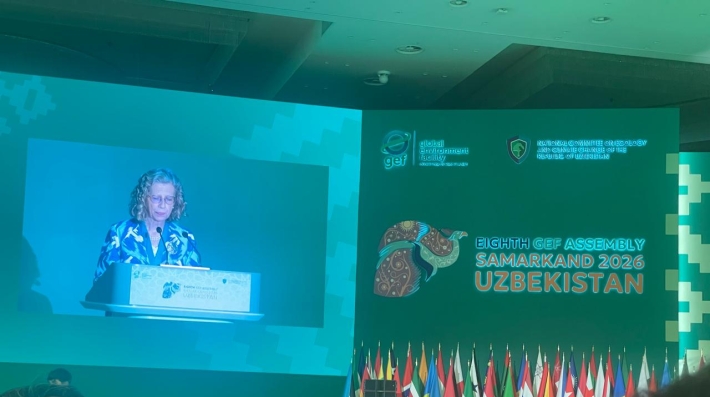


The GEF Plastic Reboot program is well positioned to support 15 countries in enhancing the enabling environment for investment on upstream regulations, policies, innovation and behaviour change for food and beverage packaging, through the US$108 million of grants provided by the Global Environment Facility.
Two, we can use blended finance to de-risk circular solutions.
Limited public budgets cannot fully fund the shift to a circular economy. The best option is to inject a small amount of public finance to hedge policy, first-mover, infrastructure, data and early-demand risks and enable private investors to come in to scale up innovative solutions.
To accelerate this process, UNEP is developing the Plastic Transition Investment Facility (PTIF) with the International Finance Corporation IFC and the UN Capital Development Fund. The PTIF uses catalytic concessional capital to de-risk high-impact circular economy projects, crowd in private investment, and increase innovation and action across the plastic life cycle.
Three, we need to identify, engineer and curate a bankable pipeline portfolio for upstream circularity.
Transitioning to circularity requires an investment in creating a full new circular system. For example, reuse is not just about choosing the right container. It is about putting in place logistics, washing infrastructure, reverse distribution, consumer convenience, standards, tracking, as well as brand and retailer participation. These are complex processes, usually needing to be built from scratch. They require business models and commercial viability to scale from niche.
So, building a bankable pipeline portfolio around upstream interventions requires a full set of enabling conditions: coordinated project preparation, policy and institutional reform, technical assistance, standards and knowledge development.
Friends,
The simple truth is that plastic pollution will not go anywhere until we embrace and apply circularity across the full life cycle of plastics. I hope that your discussion today will shed further light on how we can align public and private capital behind prevention, reuse, redesign and recycling systems to make this happen.