When Princess Basma bint Ali of Jordan began establishing her country’s first botanical garden in the mid-2000s, local sheep and goat herders were worried. They feared the sanctuary, located just outside of Jordan’s capital, Amman, would compromise their traditional grazing areas, and with that their livelihoods.
Two decades later, the opposite is true. Local communities have benefitted from a drive to restore rangelands around the 180-hectare botanical garden, which had long been plagued by overgrazing.
“After the garden was established and fenced off and specially protected, the plant cover grew more and more,” said Jameel Mesallam Al Megardbi, a herder from a nearby village. “In summer, we started finding good pasture there, and we could graze for a longer period.”
Collaboration has been key to the success of the Community-Based Rangeland Rehabilitation initiative, an effort to restore the Royal Botanic Garden and apply the lessons learned across the Middle East.
The United Nations has designated the initiative as a World Restoration Flagship, an award extended to outstanding examples of ecosystem revival.
“The Royal Botanic Garden and its neighbours have not only avoided a potential conflict,” said Natalia Alekseeva of the UN Environment Programme. “They have turned degraded rangelands into a sustainable asset, providing a win-win solution for both people and nature.”
Experts say efforts like that are crucial in Jordan and the wider region. West Asia is one of the most water- and land-scarce regions on Earth. For decades, it has struggled with drought and desertification, which have led to food insecurity, biodiversity loss and forced migration.
The botanical garden was founded on the initiative of Princess Basma bint Ali in Tal al-Rumman, a mountainous wooded area north of Amman. Along with building a seed bank, plant nurseries and a visitor centre, officials set out to restore the 180-hectare site, which had been severely degraded by overgrazing.
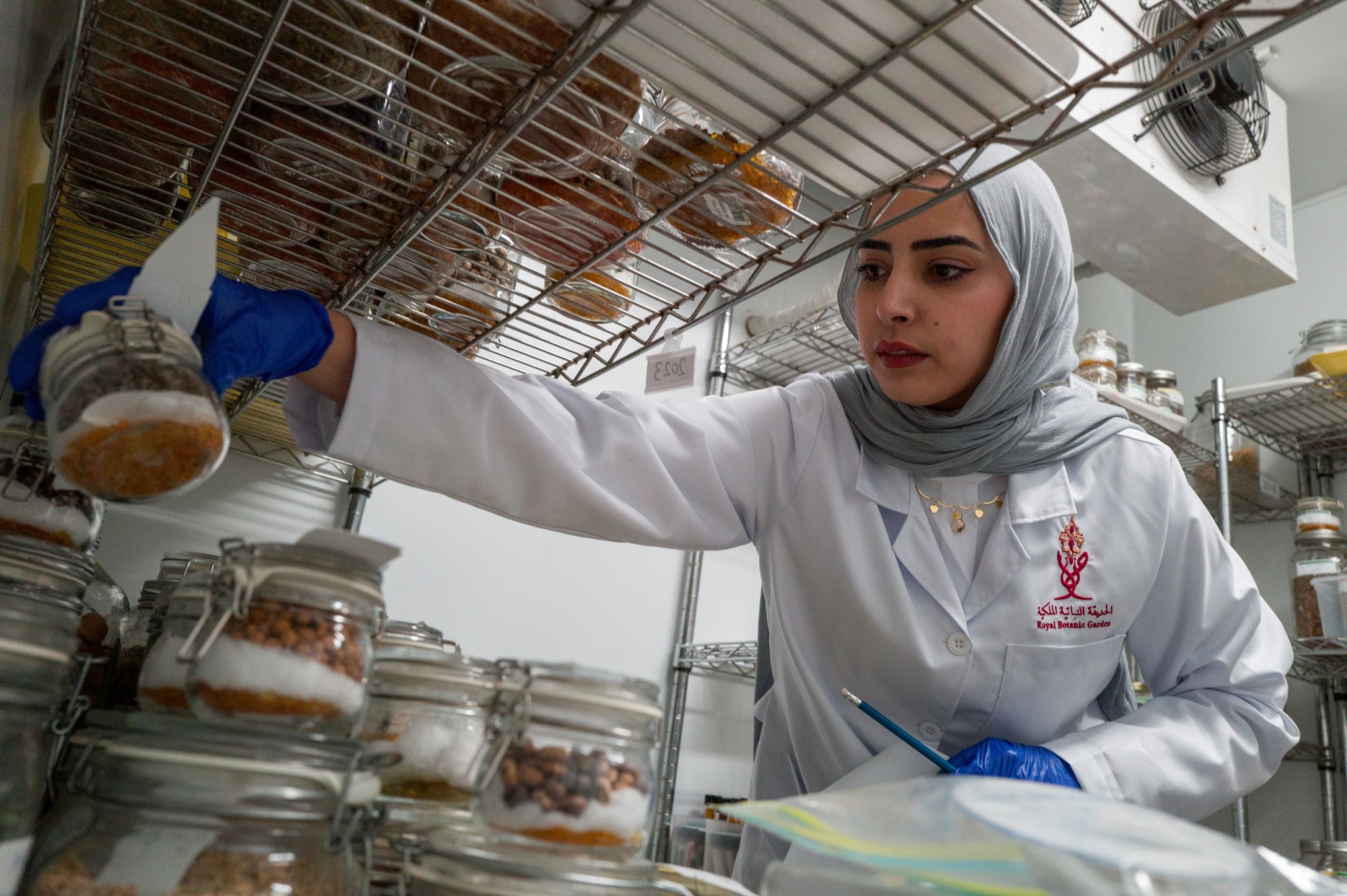
In consultation with local communities, grazing was halted on the site in 2008 for three years, allowing experts to monitor the recovery of the vegetation and calculate exactly how much grazing could be allowed in future. As a result, biomass production – the weight of vegetation – jumped about 30 percent in each of the first three years, and has continued to rise, reaching an estimated 250 tonnes in 2024.
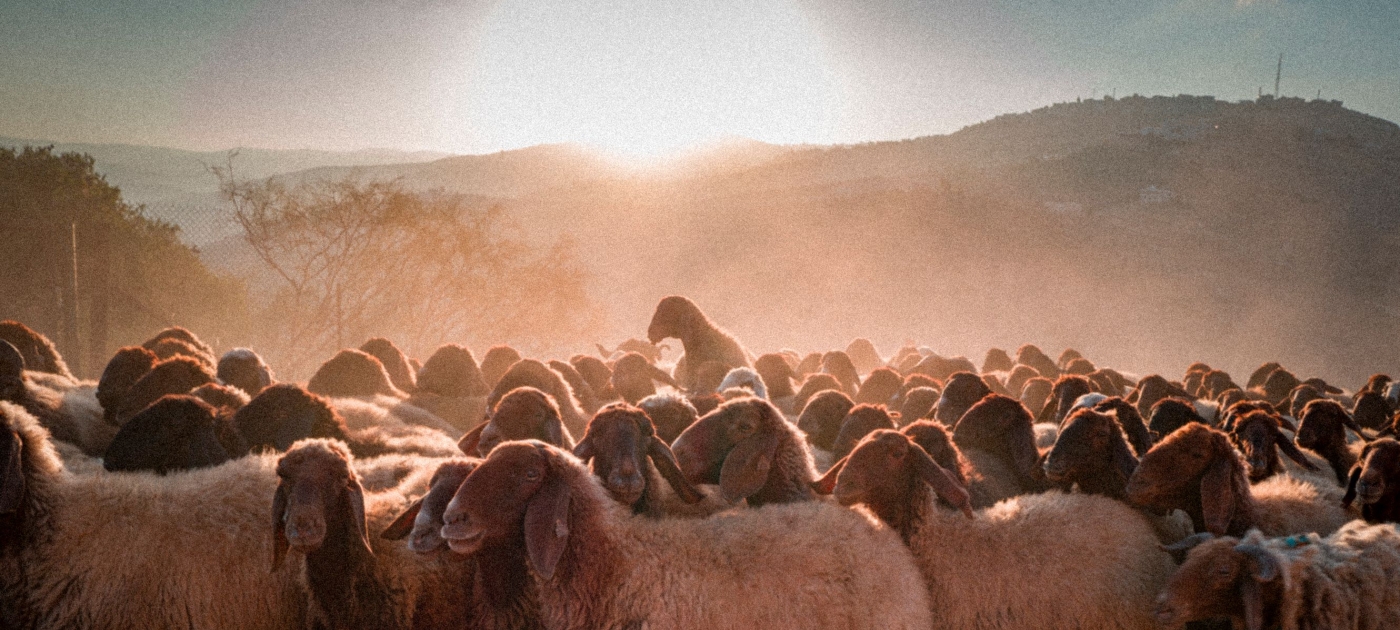
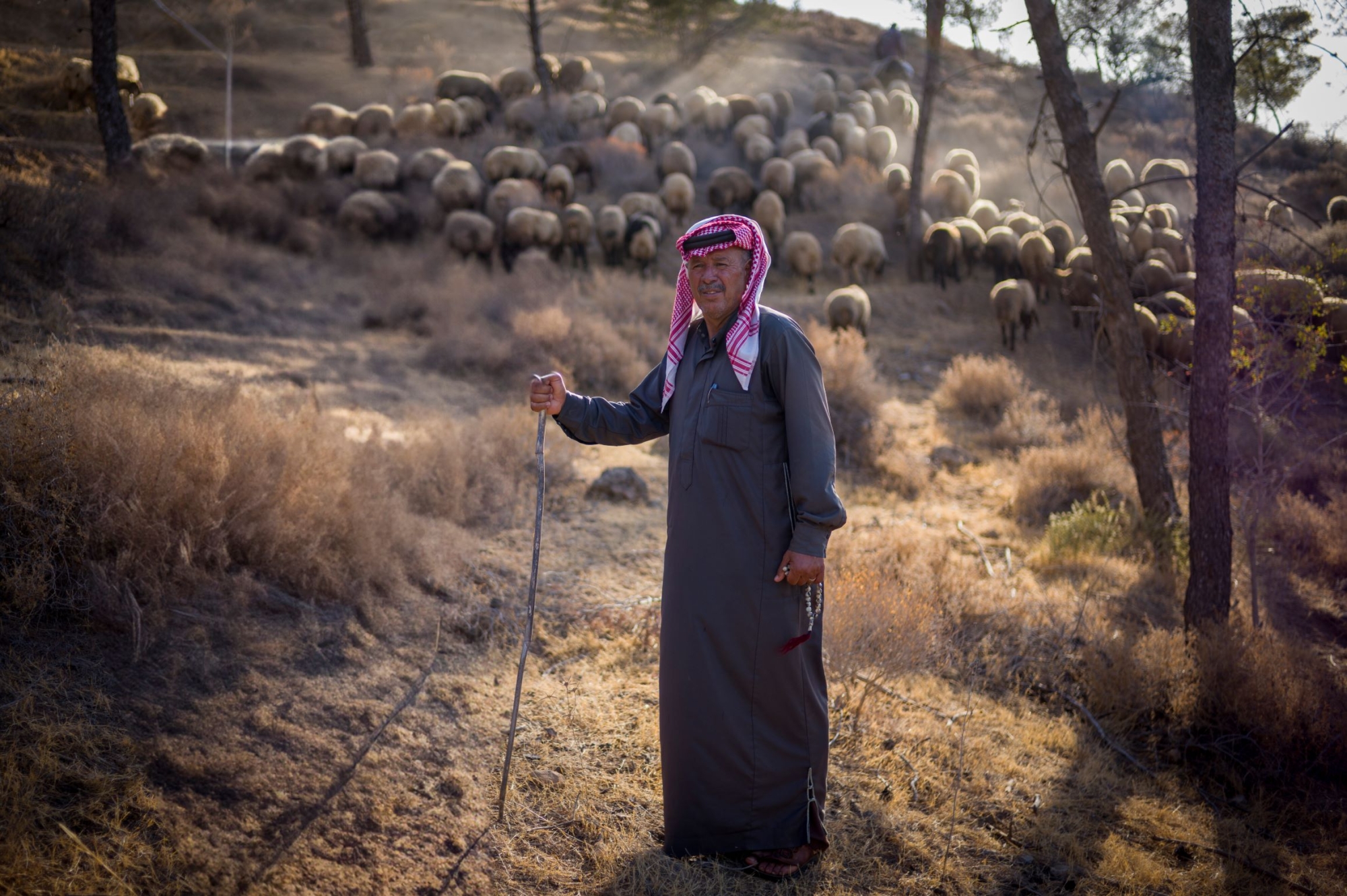
To ease the impact on the herders, the botanical garden initially provided fodder for livestock. But the animals soon returned to the garden under rotational grazing plans. Local herders can bring their animals into the restored area for up to 120 days in the summer and autumn, when grazing is depleted elsewhere.
In return, herders say they protect the site from intruders, preventing illegal grazing and tree-cutting.
"It's a holistic approach to keep the grazing site highly productive, highly biodiverse,” said Mustafa Shudiefat, Programs and Projects Director at the Royal Botanic Garden.
Reflowering rangelands
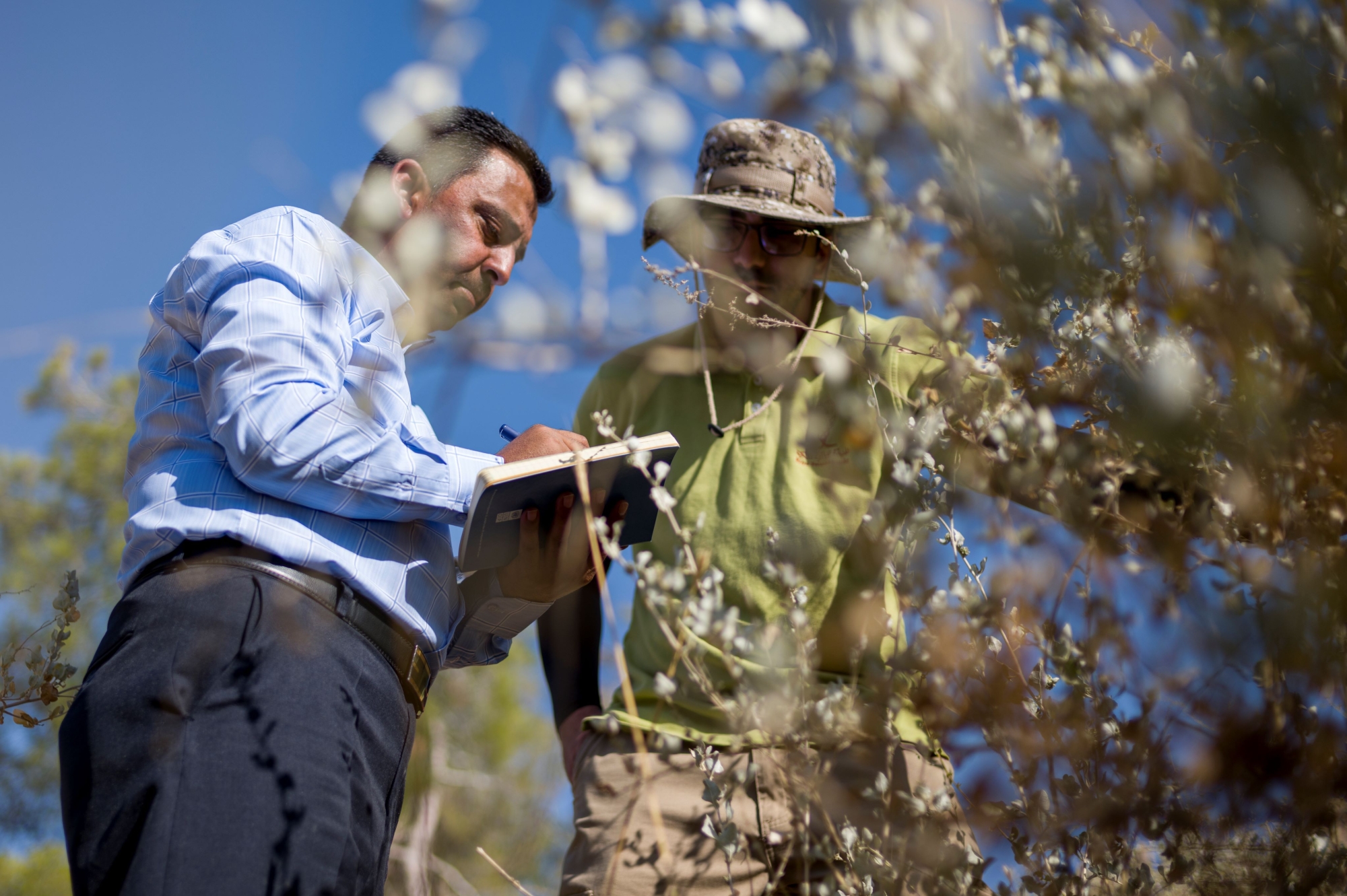
Annual vegetation surveys at the site show that the sustainable grazing regime has enabled the number of wild native plant species to rebound from 436 in 2006 to more than 600, including 22 endangered species.
“There are plants that we were not used to seeing, but recently there is a lot of them,” said Fayes Abu Jarar, who keeps several hundred sheep in the area. He listed thyme, narcissus and Black Iris – the endemic, endangered national flower of Jordan – among the plants that had returned to the hillsides.
Community benefits
To further boost family incomes and reduce pressure on local rangelands, experts at the botanical garden have worked with communities to improve herd management. For example, herders that isolate rams from their ewes for a month before breeding season are achieving higher pregnancy rates. The initiative has also trained two veterinary health assistants and delivered vaccination programmes.
The initiative provides training in alternative income-generating activities, including dairy production, mushroom growing, beekeeping and handicrafts workshops aimed at local women. Many residents have also found work in the botanical garden.
Encouraged by the opportunities, the number of local families engaged with the initiative has risen from five at its inception to more than 50 today.
“The programme is good. We are following it and benefitting from it,” said Abu Jarar.
As well as raising awareness of the need to manage the environment, the Royal Botanic Garden says it has shared experience of what worked with community rangeland conservation projects in other parts of Jordan and the region, including in Egypt and Saudi Arabia.
The botanical garden has also published a variety of scientific papers and educational materials, such as posters, brochures and videos, and staff members have presented the programme at conferences at home and abroad.
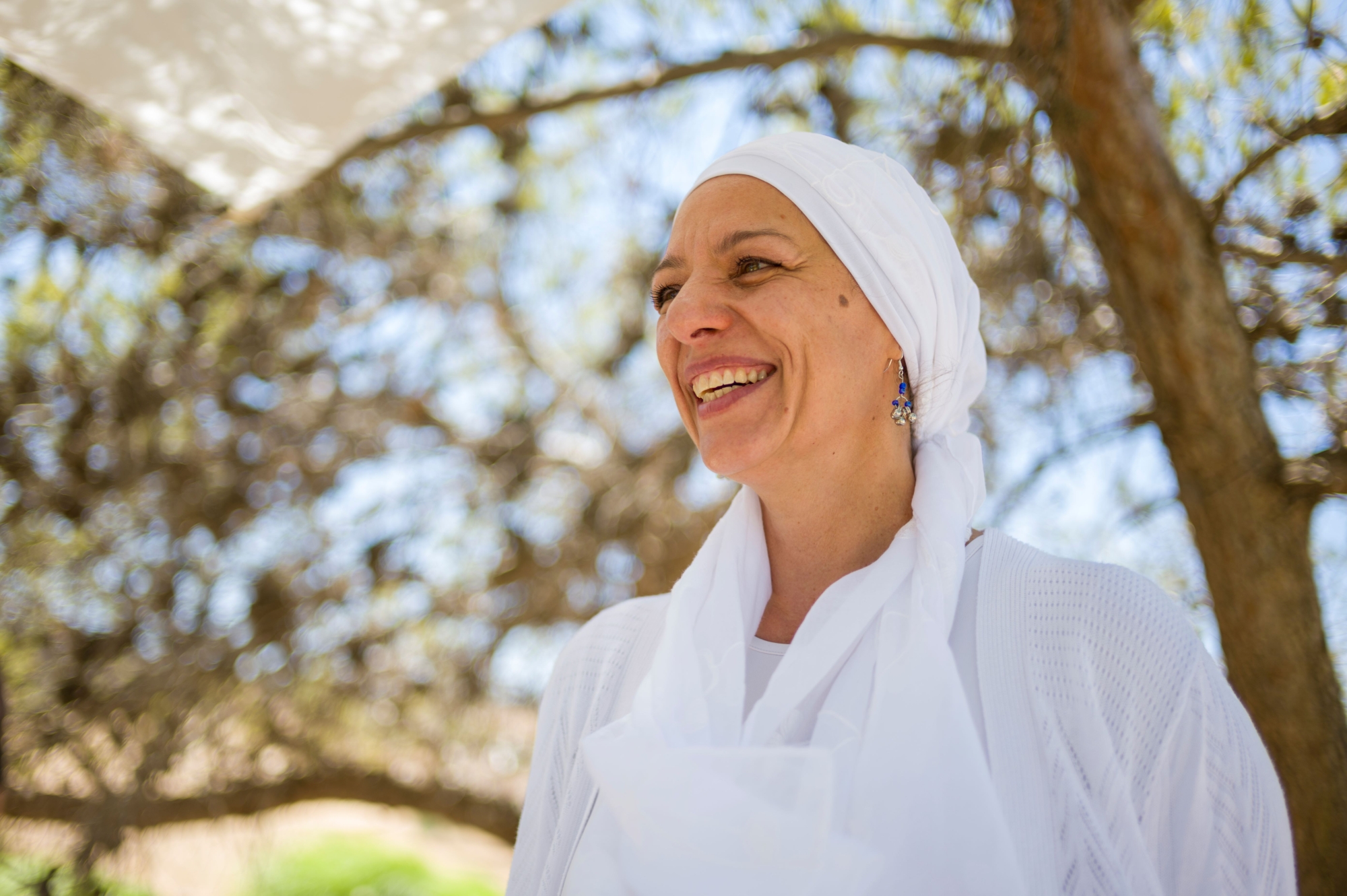
Princess Basma bint Ali said the botanical garden’s community-based model could be a “demonstration site” for restoration elsewhere. In its restored rangelands “there's abundance, there's resilience,” she said. “And there's absolutely a lot of hope for the future."
About Desertification and Drought Day
The International Day Against Desertification and Drought is observed annually on June 17. Designated by the United Nations, the day raises awareness about the global challenges of land degradation and promotes sustainable solutions to restore ecosystems and build drought resilience. It is an opportunity to remember countries’ commitments to Land Degradation Neutrality - a globally adopted framework aimed at securing a balance between human impacts on land and the earth's ability to regenerate. It ensures that the total amount of healthy, productive land remains stable or increases, balancing any unavoidable degradation by restoring an equal area elsewhere.
About the UN World Restoration Flagships
Countries have already promised to restore 1 billion hectares – an area larger than China– as part of their commitments to the Paris climate agreement, the targets of the Kunming-Montreal Global Biodiversity Framework, the Land Degradation Neutralitytargets and the Bonn Challenge. However, little is known about the progress or quality of this restoration. With the World Restoration Flagships, the UN Decade on Ecosystem Restoration is honouring the best examples of large-scale and long-term ecosystem restoration in any country or region, embodying the 10 Restoration Principles of the UN Decade. Progress of all World Restoration Flagships will be transparently monitored through the Framework for Ecosystem Restoration Monitoring, the UN Decade’s platform for keeping track of global restoration efforts.