
News
Showing 26 - 50 of 290
290 results found
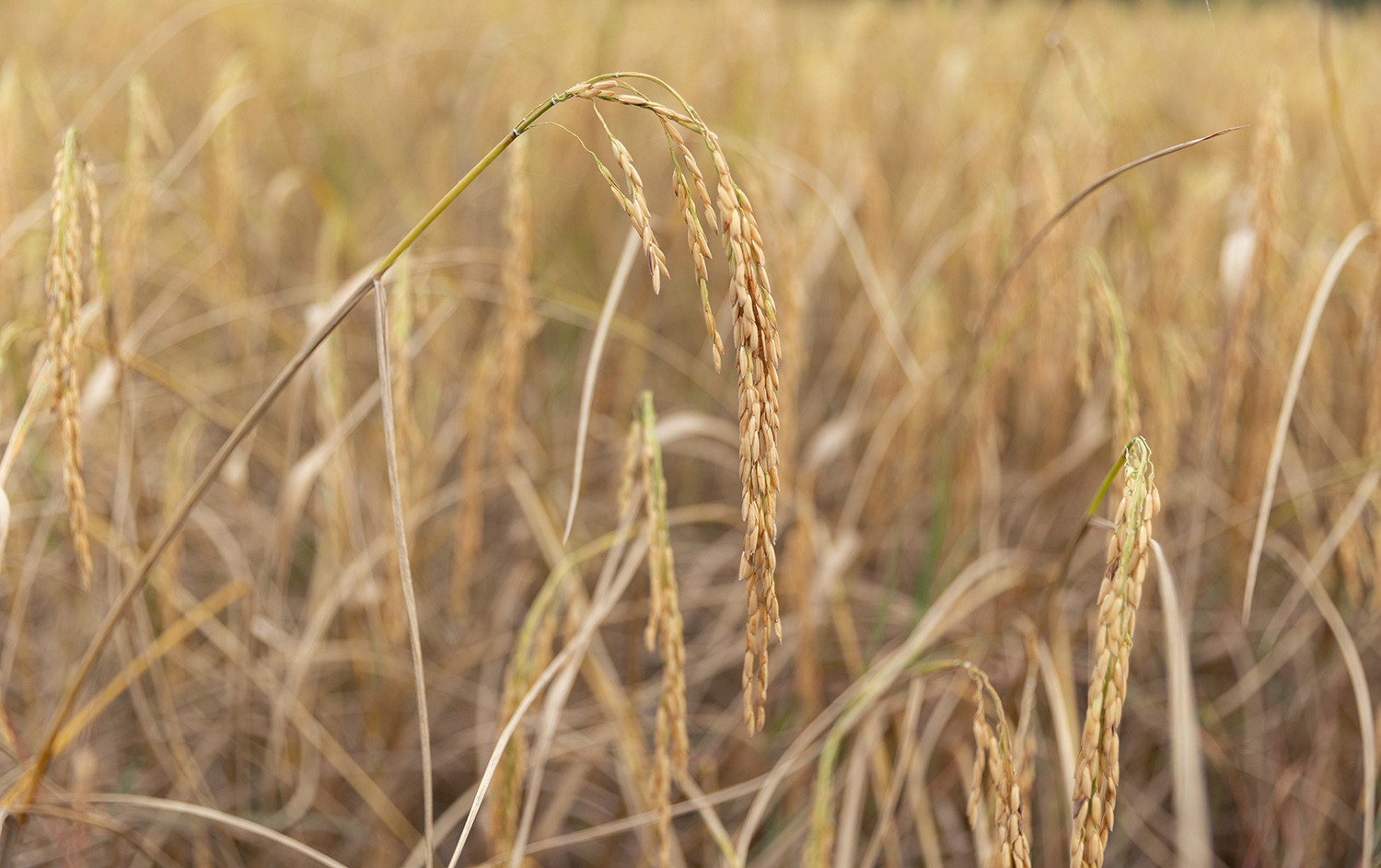
“When new farmers come and see the soil is improving, and costs go down and yields go up, they want to join us,” said Thanu Thanakhet, a farmer in Thailand’s largest rice-producing province, Ubon Ratchathani. “Seeing is believing.”
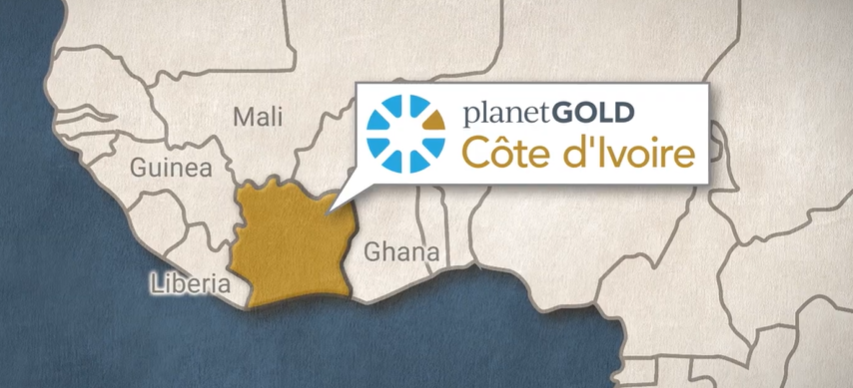
The number of artisanal and small-scale gold miners in Côte d'Ivoire has steadily grown for the past two decades, with national reports estimating at least 500,000 people work in this sector. Although mercury use is common in these operations and many face barriers to operating formally, the planetGOLD project is working to help overcome these challenges and bring artisanal miners into the formal economy.
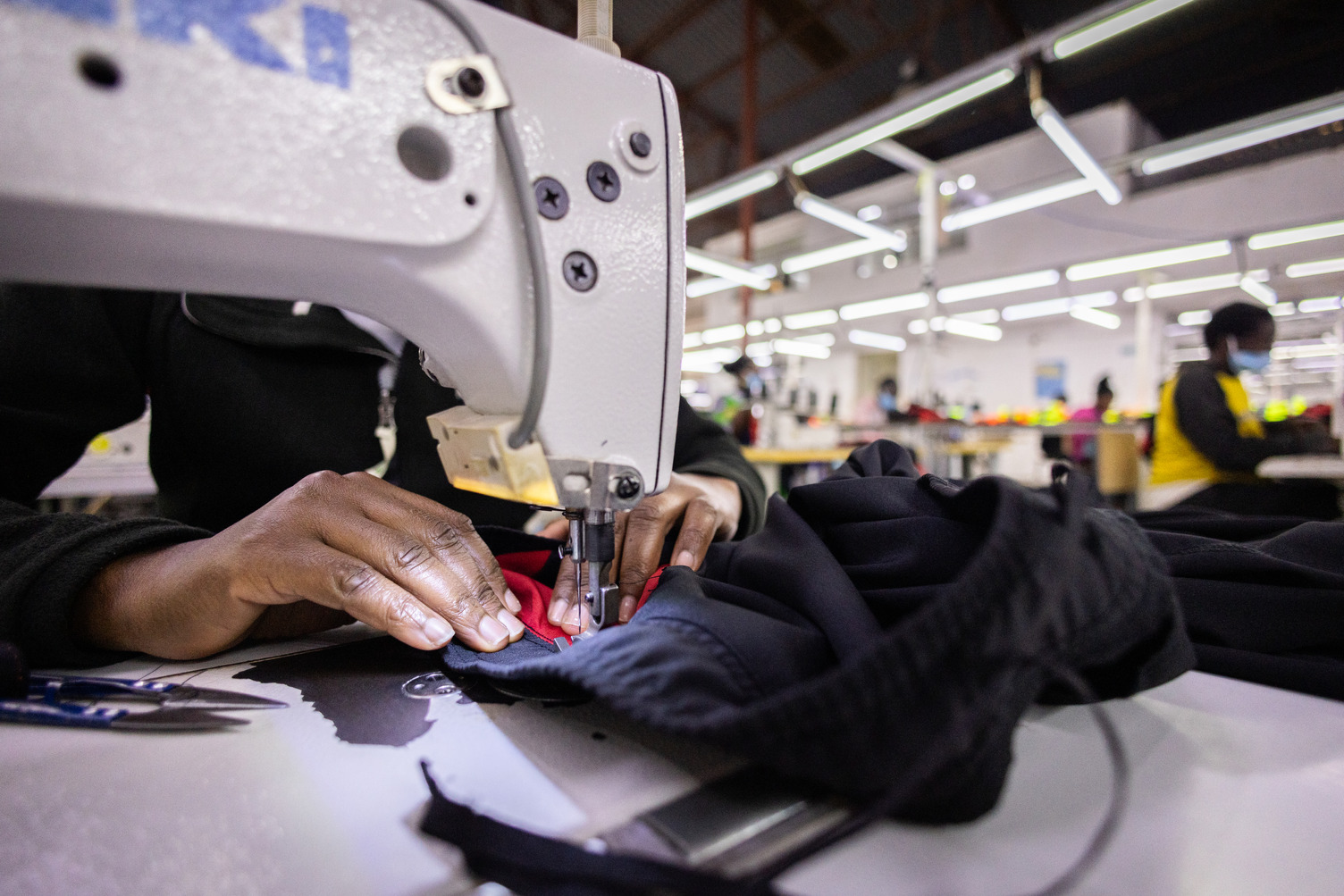
Phnom Penh, 20 January 2026: The Ministry of Environment of the Kingdom of Cambodia, in partnership with the United Nations Development Programme (UNDP) in Cambodia and the United Nations Environment Programme (UNEP), today officially launched the “Eliminating Hazardous Chemicals from Supply Chains Integrated Programme in Cambodia,” a Global Environment Facility (GEF)–funded initiative to phase out hazardous chemicals and accelerate the country’s shift toward circular, green supply chains.
Washington D.C., 17 December, 2025 - The Global Environment Facility (GEF) has announced USD 52.8 million for four new UN Environment Programme (UNEP)–led projects during its 70th Council meeting.
Moroni, Comoros, 11 December 2025 –The Government of the Union of Comoros today launched a major new climate resilience initiative backed by a US $10 million grant from the Global Environment Facility (GEF) and US $44 million in co-financing from partners including the World Bank and the French Development Agency.
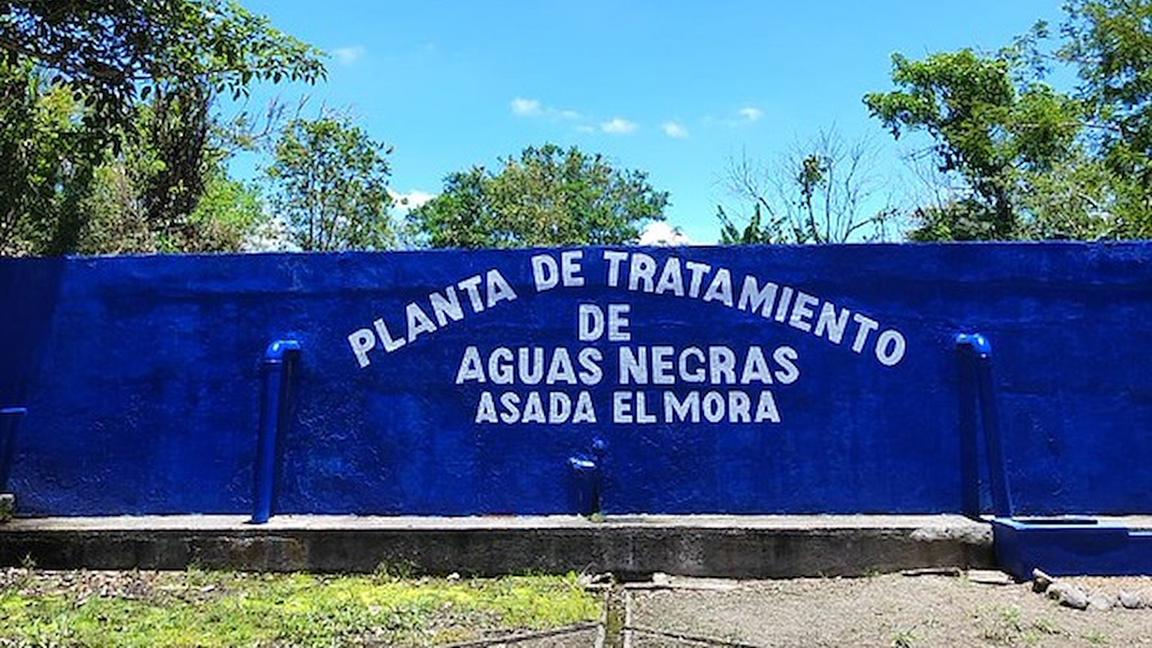
In the rural community of El Mora in Turrialba, Costa Rica, a long-standing commitment to collective water stewardship has laid the foundation for an innovative transformation. Known for its organised community water system and strong culture of conservation, El Mora is now demonstrating how local leadership can drive regional progress through the UNEP and IADB–led, GEF-funded and Cartagena Convention-executed CReW+ project.
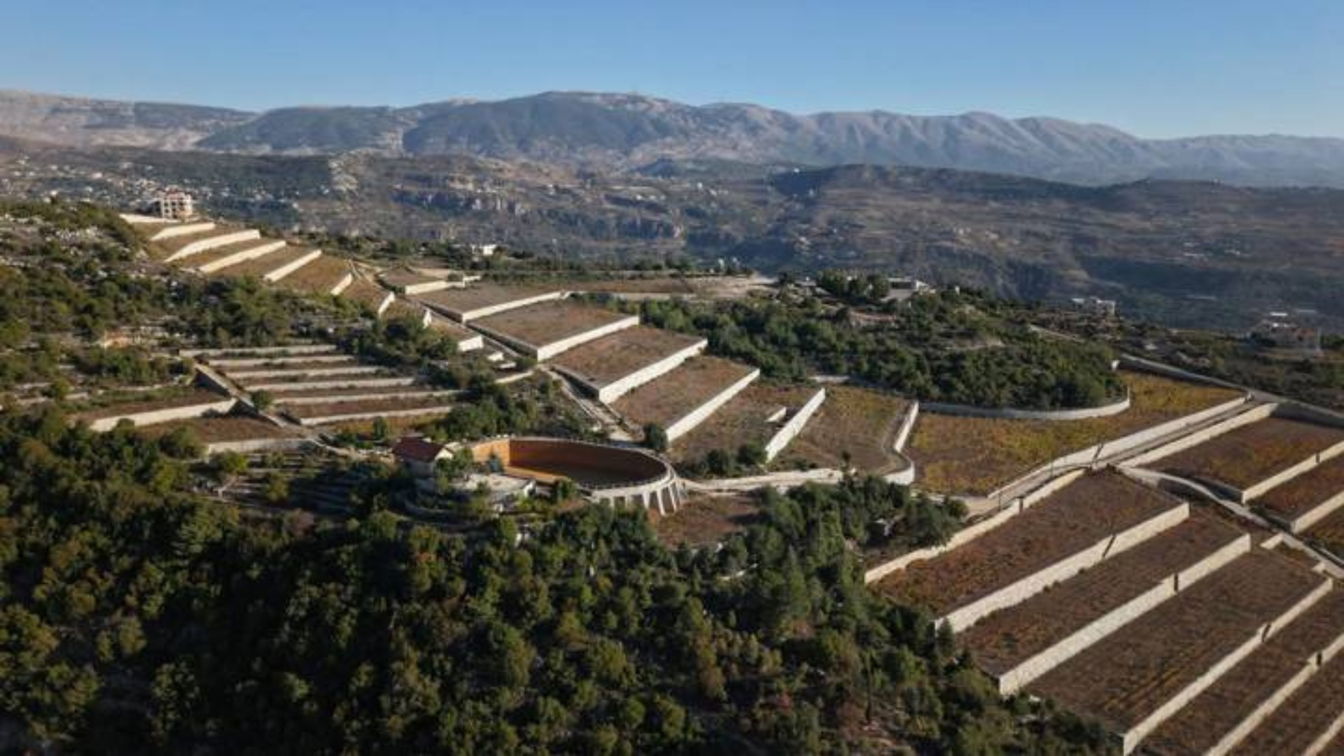
Lebanon’s Damour region is taking important steps toward a more resilient, climate-smart future through the GEF-funded, UNEP-implemented, UNEP/MAP-executed MedProgramme. With pressures on land, water and coastal ecosystems increasing, stakeholders from across the country recently came together to advance an Integrated Management Plan (IMP) that embraces a holistic source-to-sea vision for the Damour River Basin.
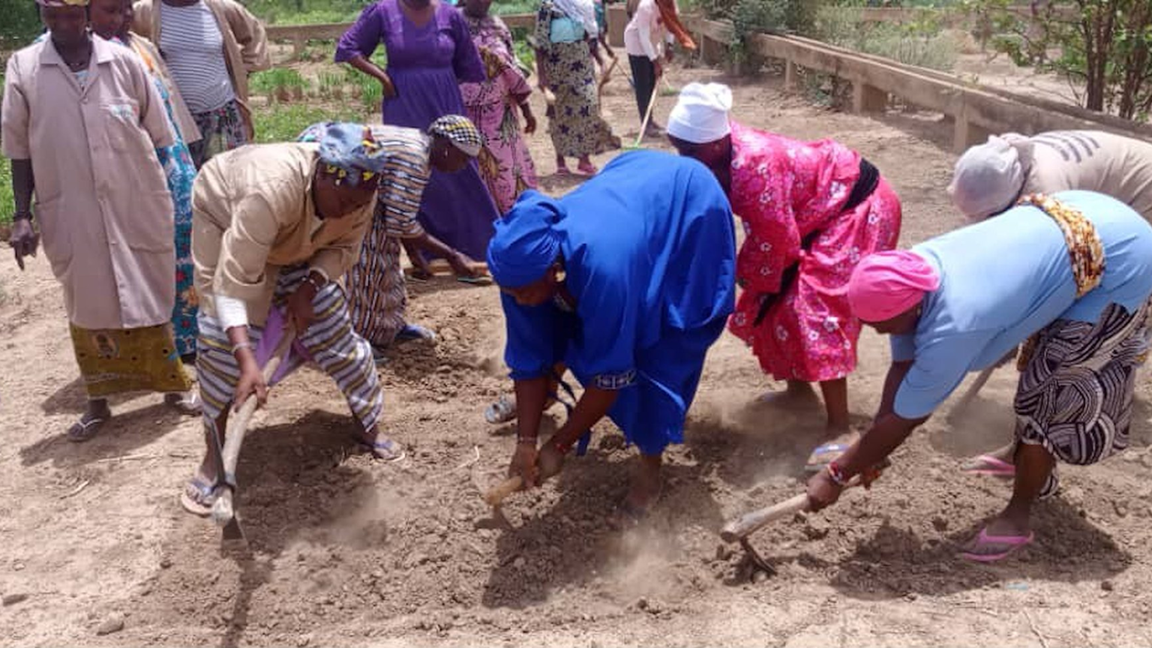
In the heart of central Mali, the village of Diaborki has long lived with uncertainty, shaped by drought, insecurity and dwindling opportunities. But in 2025, a turning point arrived with the UNEP–led, GEF–funded NB-ITTAS project, which selected the village as a pilot site for sustainable groundwater management. What followed is a powerful example of how access to water can restore stability, dignity and economic hope in communities at the frontline of climate impacts.

The health of our oceans depends on strong institutions, informed decision-making and political will. In Mexico, these elements have come together through a UNEP-implemented, ICCF-executed, Global Environment Facility (GEF)-funded initiative that is strengthening ocean governance from the legislative level outward.
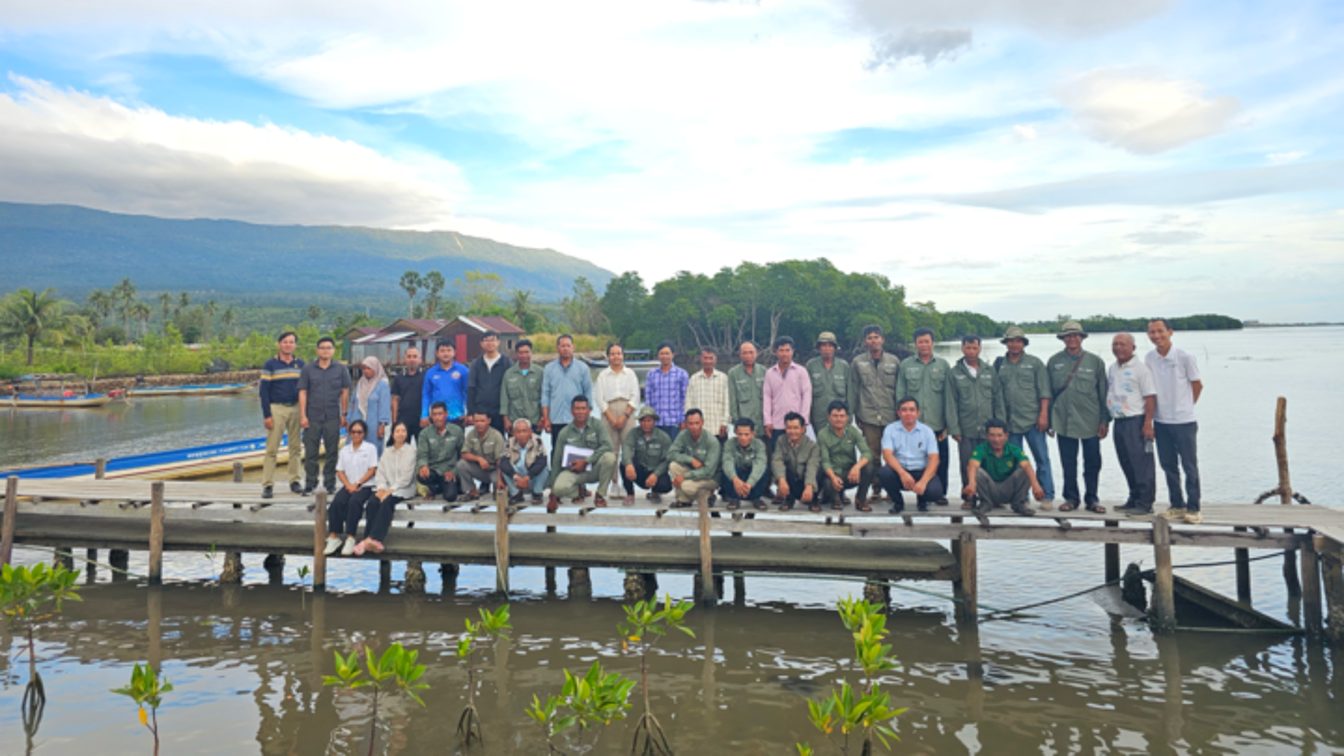
Coastal communities in southern Cambodia are strengthening their resilience to climate impacts through innovative, science-based aquaculture solutions supported by the UNEP-implemented, GEF-funded Natural Infrastructure (NI) Cambodia project. As shifting environmental conditions challenge traditional livelihoods, the project is helping local fishery communities diversify income sources while safeguarding the health of vital mangrove ecosystems.
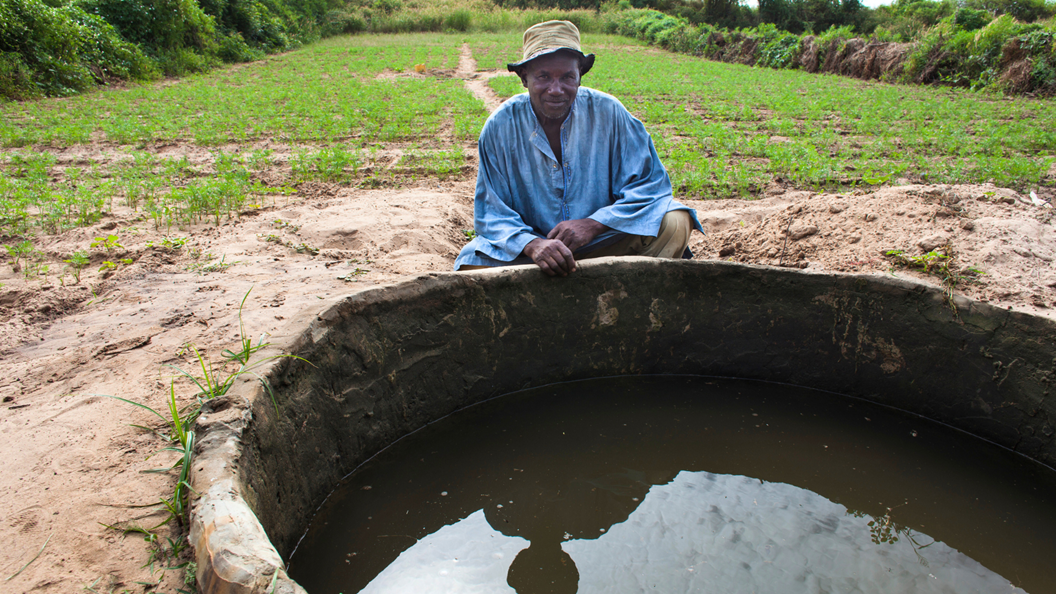
The 7th SADC Groundwater Conference, held in Johannesburg from 19–21 November 2025, brought together regional institutions, policymakers, researchers and young professionals to highlight the significant role of groundwater in climate resilience and water security.
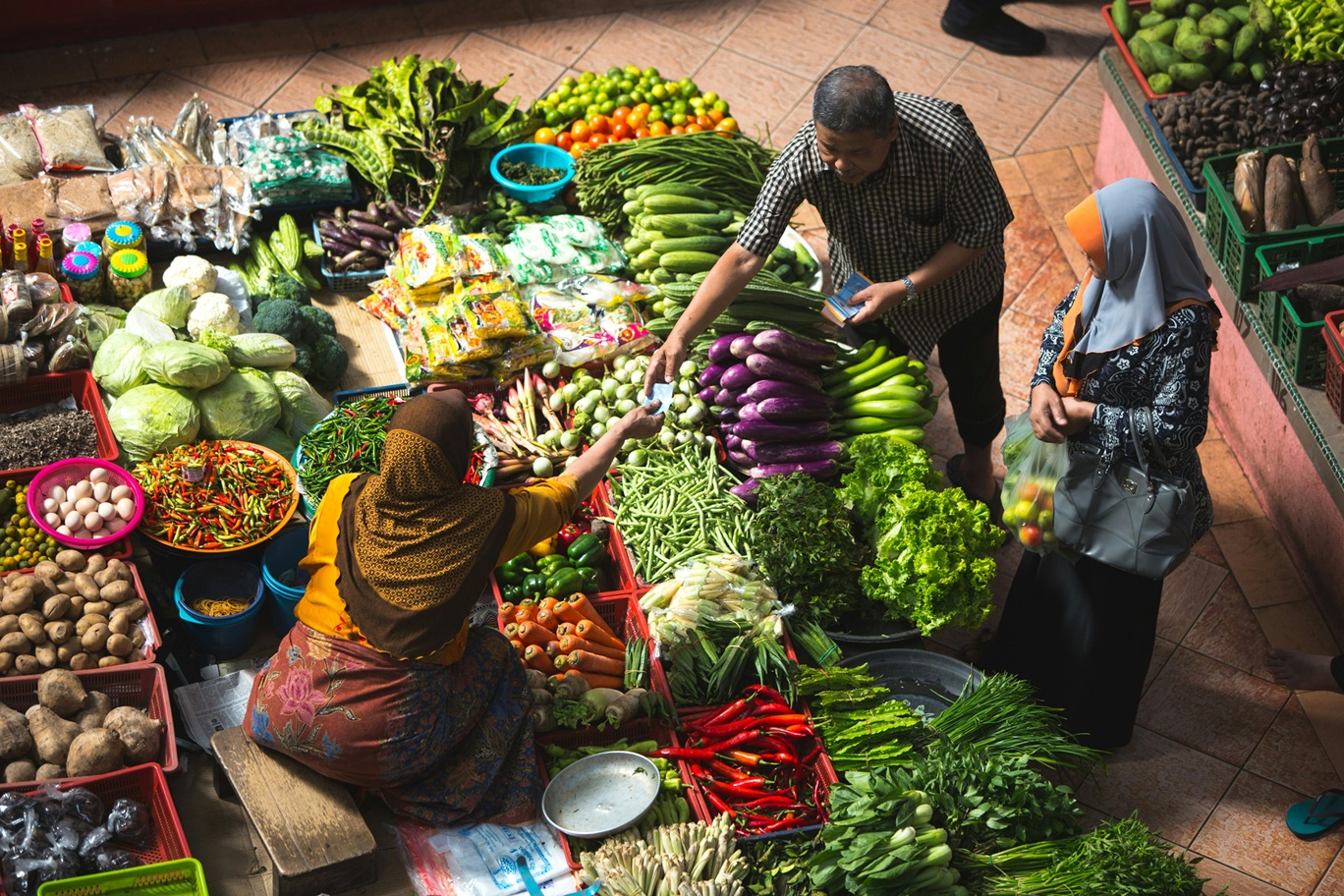
Food Waste Breakthrough targets halving global food waste by 2030
Up to 7% reduction in methane emissions also targeted
Global Environment Facility commits US$3 million towards effort
Belém, 13 November 2025 – The UN Environment Programme (UNEP) and partners today launched a new initiative to halve food waste by 2030 and cut up to seven per cent from methane emissions as part of

The GEF-funded planetGOLD programme works in partnership with governments, the private sector, and artisanal and small-scale gold mining (ASGM) communities with the objective of eliminating mercury from the supply chain of gold produced by ASGM.
The programme recently completed a cross-programmatic assessment of its first phase (2018-2025), which comprised nine country-level projects. Get a glimpse of what was achieved in these countries and what lessons were learned that other initiatives aimed at advancing mercury-free, responsible ASGM can learn from.

Bangkok, 7 November 2025 – Seven community-based organisations across the East Asian Seas have been awarded a total of USD 350,000 through the SEA Grants program to protect and conserve marine and coastal ecosystems in the South China Sea and Gulf of Thailand.
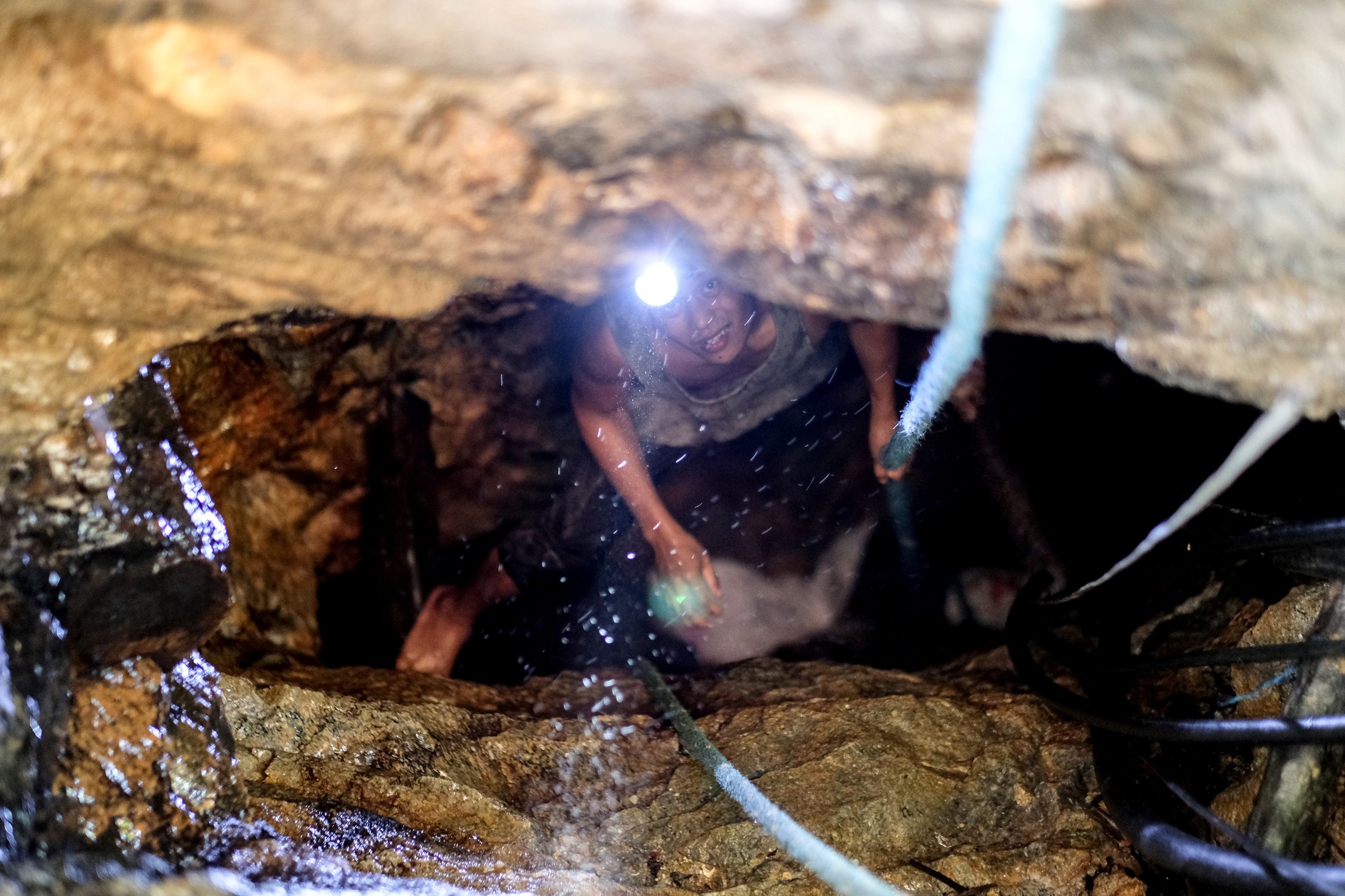
A new Global Environment Facility program is supporting the expansion of work to monitor the distribution of long-lasting chemicals and mercury: toxic substances that present major risks to human and environmental health.
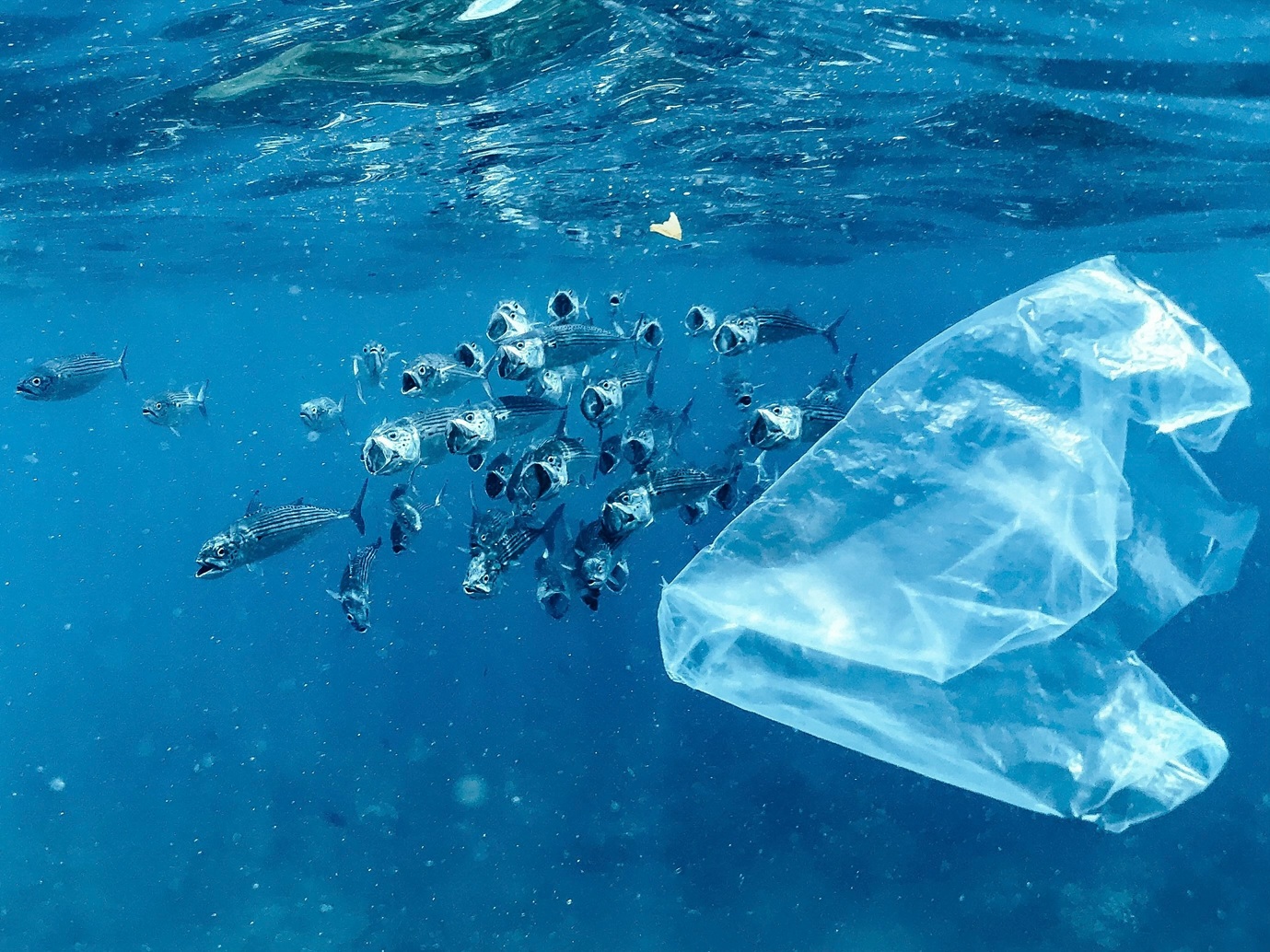
The first Annual Plastic Reboot Conference kicks off in Salvador, Brazil from 22-24 October 2025, bringing together 15 countries and global partners tackling plastic pollution through the Plastic Reboot programme.
The event marks a milestone for the USD 108 million GEF-funded global programme, advancing multilateral action and collaboration across governments, the private sector, and civil society.
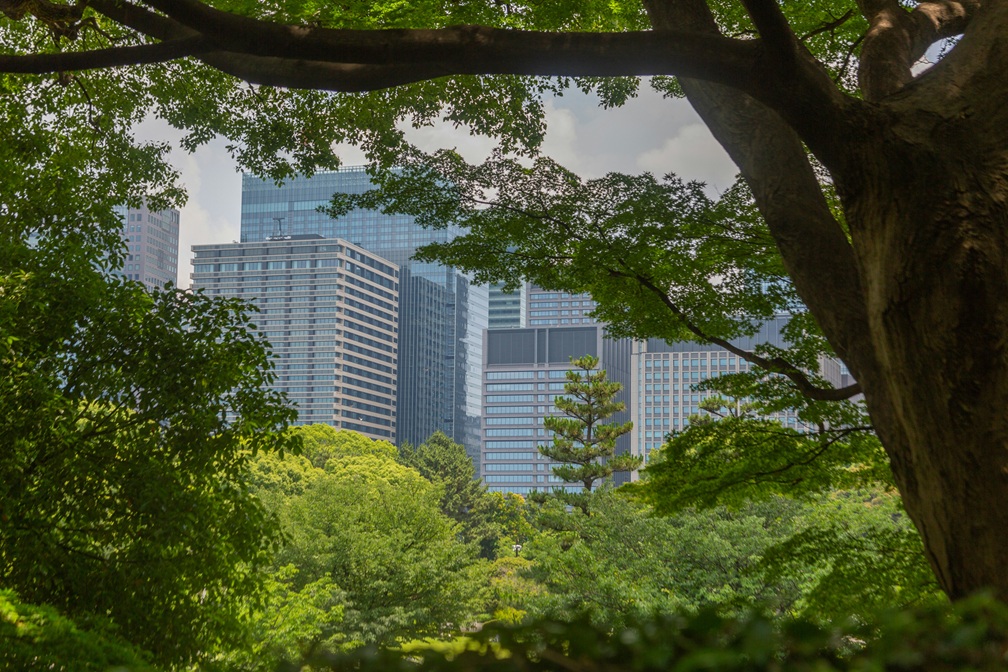
Washington D.C., 16 October 2025 - The UN Environment Programme (UNEP) and the Global Environment Facility (GEF), together with the Development Bank of Latin America (CAF) and the Asian Development Bank (ADB), have officially launched the
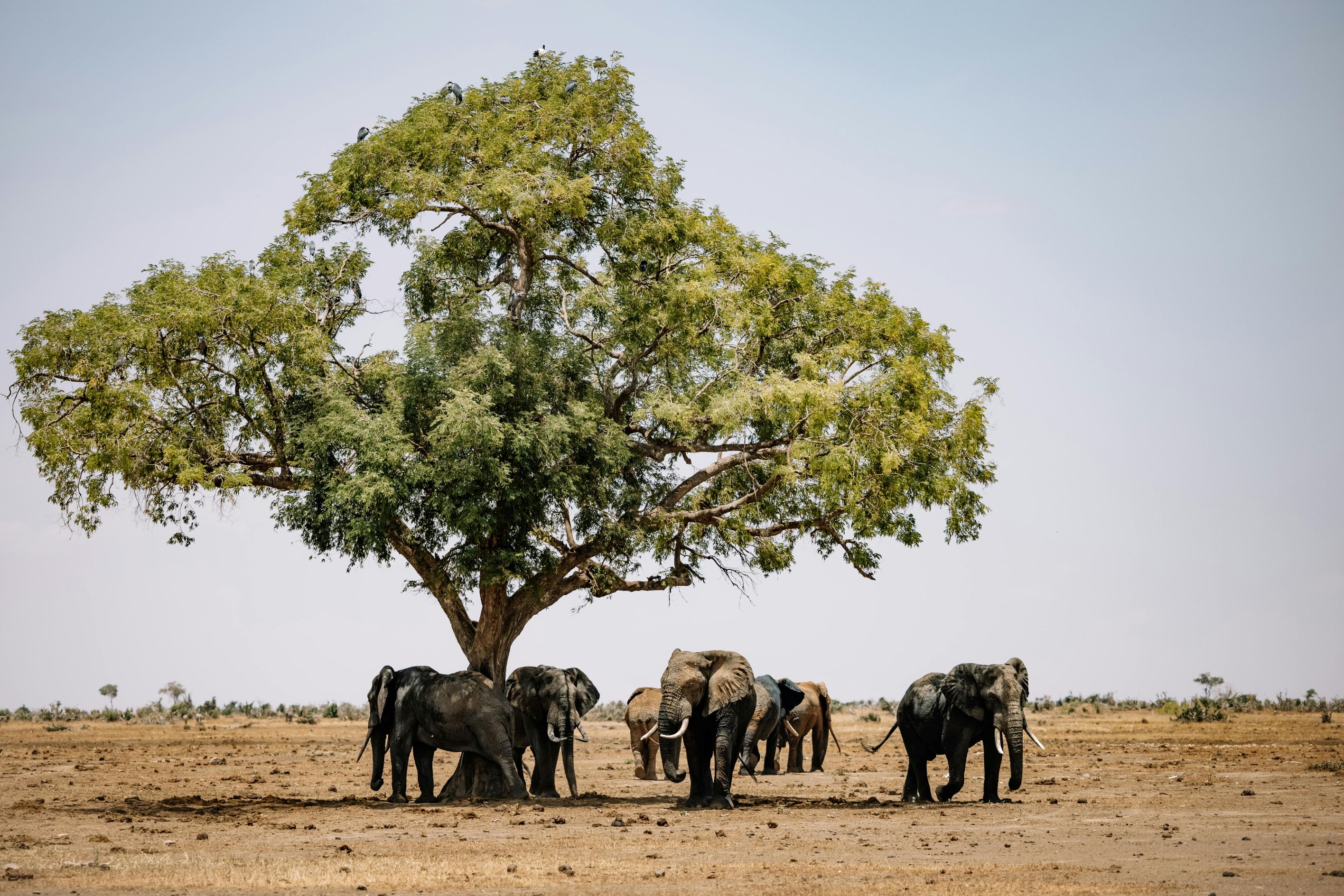
Representatives of member governments and other GEF stakeholders gathered October 7-9, 2025, in Kasane, Botswana to review proposed plans for the multilateral trust fund in its ninth funding cycle for the 2026-2030 period.

The ratification of the Agreement under the United Nations Convention on the Law of the Sea on the Conservation and Sustainable Use of Marine Biological Diversity of Areas beyond National Jurisdiction (BBNJ Agreement) by Sri Lanka, St. Vincent and the Grenadines, Morocco and Sierra Leone has pushed the total number of supporting countries past the critical threshold of 60, setting in motion the treaty’s entry into force for 17 January 2026.
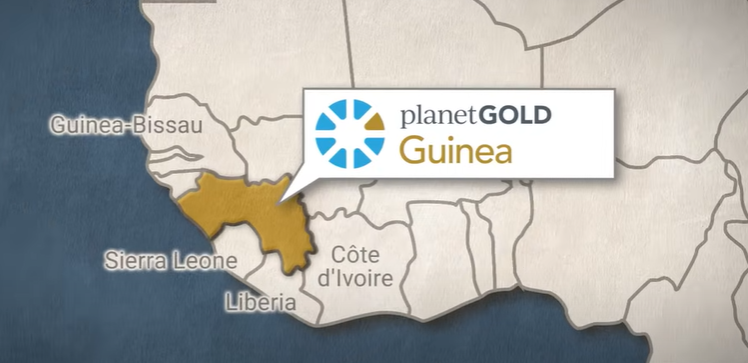
In Guinea more than 300,000 people depend on artisanal and small-scale gold mining for their livelihoods. But due to limited economic opportunities or a lack of awareness, many miners use mercury, a toxic metal, to extract the gold. Since the planetGOLD Guinea project launched in 2023, the team has conducted several awareness and capacity building training sessions in communities across the country, reaching more than 3,200 people.
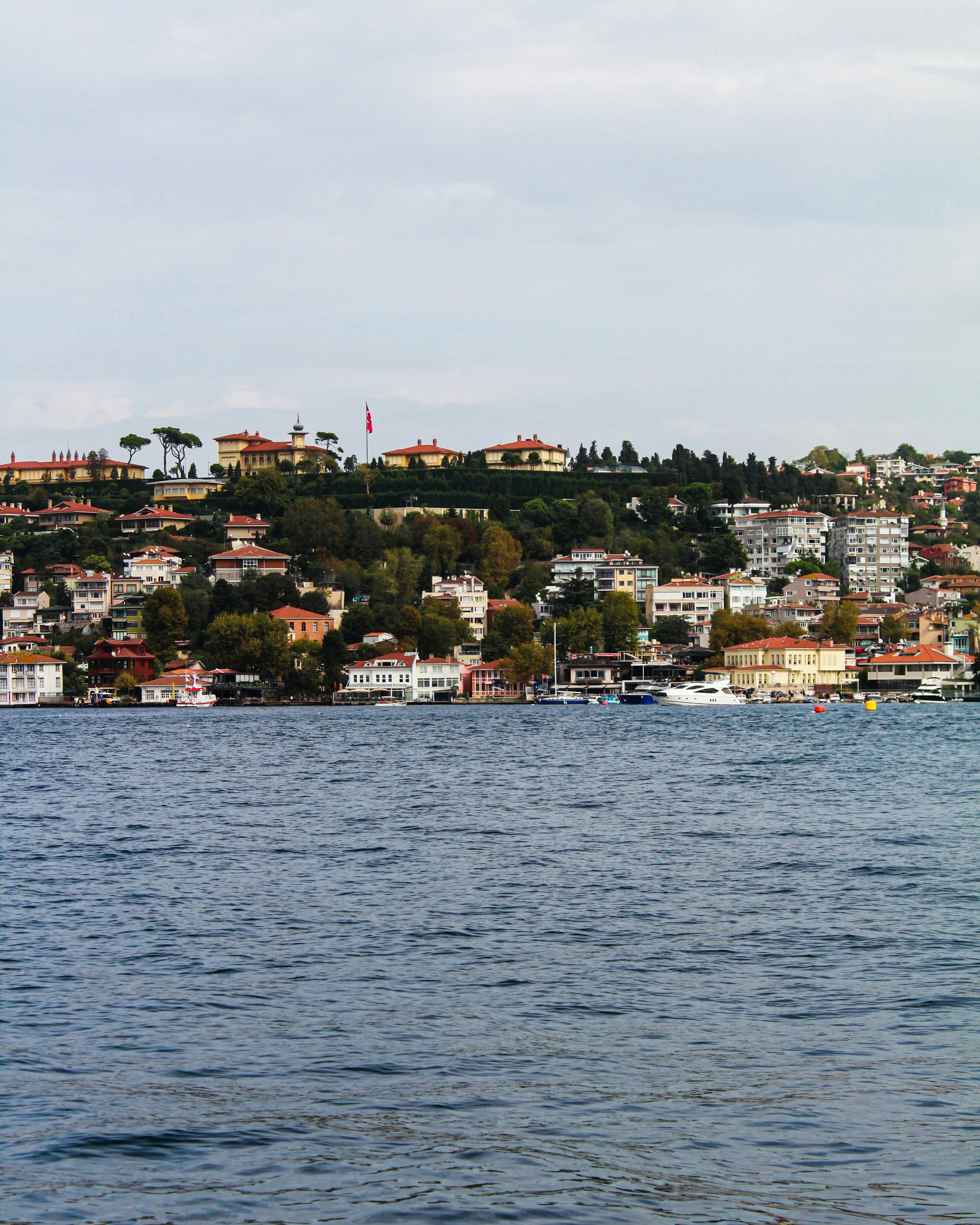
As the Mediterranean is celebrating Coast Day, the future of the region is more challenging than ever: rising sea levels and coastal erosion are already affecting many shores, while communities and authorities must also deal with increasing extreme weather events, pollution and biodiversity loss.
Yet one thing is clear: when people understand the risks and feel empowered to act, they become a powerful force for change.
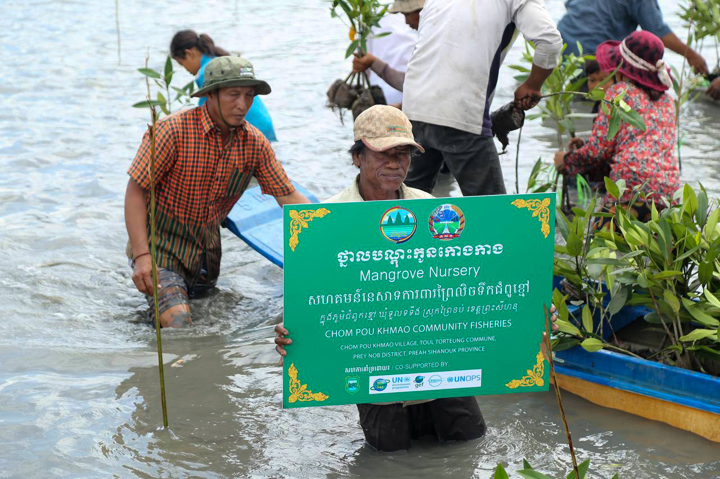
Cambodia’s coastal landscape is a mosaic of vital ecosystems: mangroves, coral reefs, seagrass beds, and wetlands. These habitats are the lifeblood of the region, providing food security and livelihoods for millions; protecting them is central to the Strategic Action Programme (SAP) for the South China Sea and Gulf of Thailand Large Marine Ecosystems (LME).

The indigenous communities of Yaxley, San Antonio Segundo, and Yodzonot Nuevo share not only the scenic beauty of Mexico's Caribbean coast, its customs, and way of life, but they have also experienced common challenges in water and sanitation. Paradoxically, water surrounds them; their proximity to the ocean and the Sian Ka'an reserve contrasts with the lack of water for everyday use, a common element of daily life.
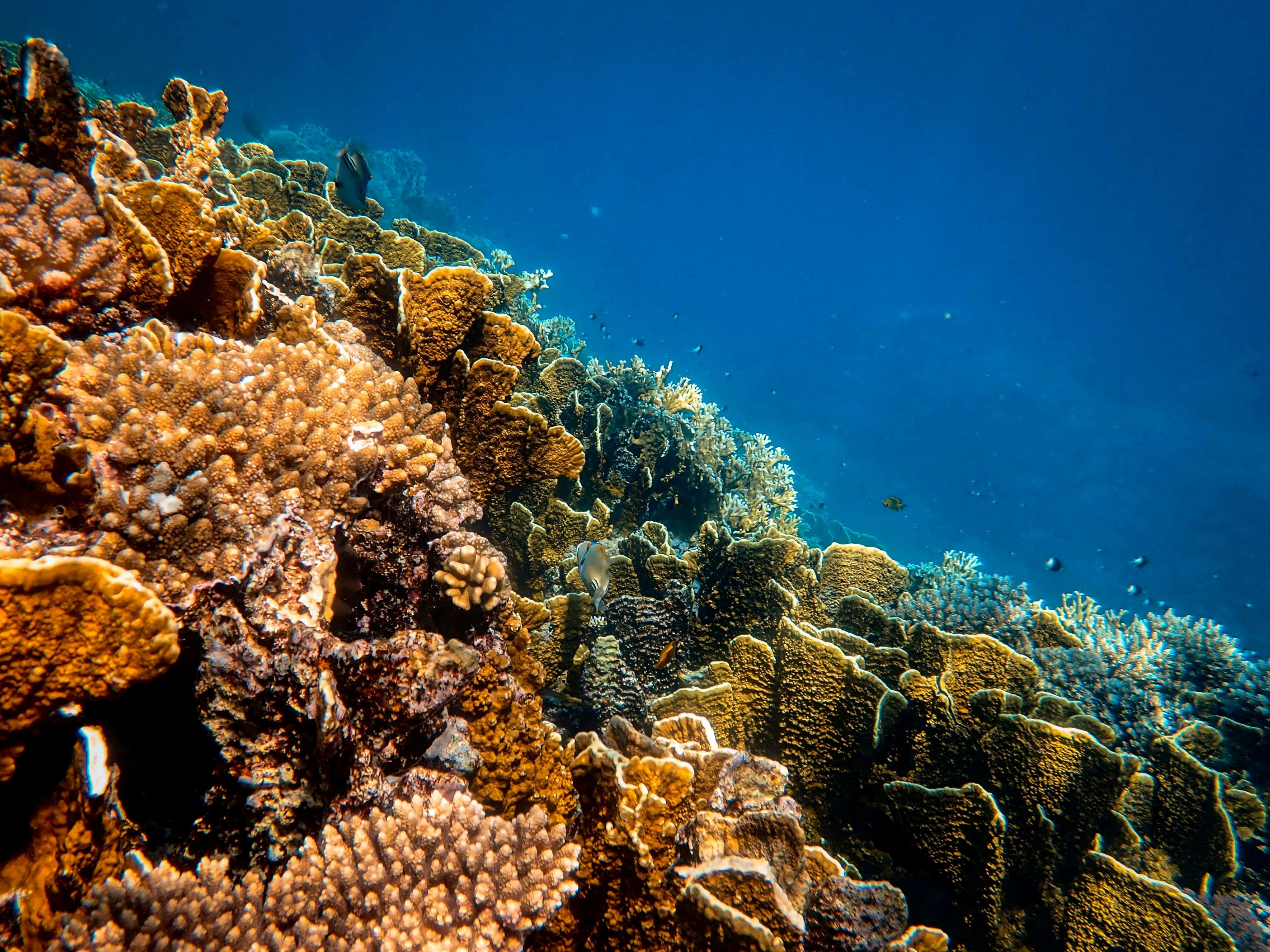
The GEF is part of the financial mechanism to the BBNJ Agreement, supporting the conservation and sustainable use of marine biodiversity in areas beyond national jurisdiction.
Ratification of the 60th and 61st countries to the BBNJ Agreement sets into motion its entry to force in 120 days.
The GEF has allocated $34 million for ratification support and implementation activities and is the largest multilateral public funder for oceans, having invested over $2.5 billion since 1992.

Innovative city infrastructure can look like concrete and iron — or like mangroves. The Brazilian city of Recife, built across three islands, has embraced nature as an ally in urban planning and public space design. Rather than resisting the natural environment, the city is now designing solutions around it.
Showing 26 - 50 of 290
The Global Environment Facility (GEF) includes several multilateral funds working together to address the planet's most pressing challenges in an integrated way. Over the past three decades, the GEF has provided more than $26 billion in financing, primarily as grants, and mobilized another $148 billion for country-driven priority projects.