By Mouna Zein
Mouna Zein is a Khartoum native and the Deputy Head of the United Nations Environment Programme office in Sudan
For more than a century, the Sunut Forest was an oasis in the middle of Khartoum, Sudan’s sprawling capital.
Declared a wildlife reserve in 1939, its wispy acacia trees provided refuge to migratory birds and weary urbanites, while shielding Khartoum from the annual floods of the nearby White Nile River.
But today the forest – which spans six square kilometres – has been reduced to a sea of ragged stumps, its acacias felled by locals desperate for firewood.
The razing of Sunut Forest is part of a larger environmental crisis that has gripped greater Khartoum since the outbreak of Sudan’s civil war, which began three years ago today (15 April).
For lifelong residents like myself, this historic city of 8 million – the cultural heart of Sudan – is almost unrecognizable.
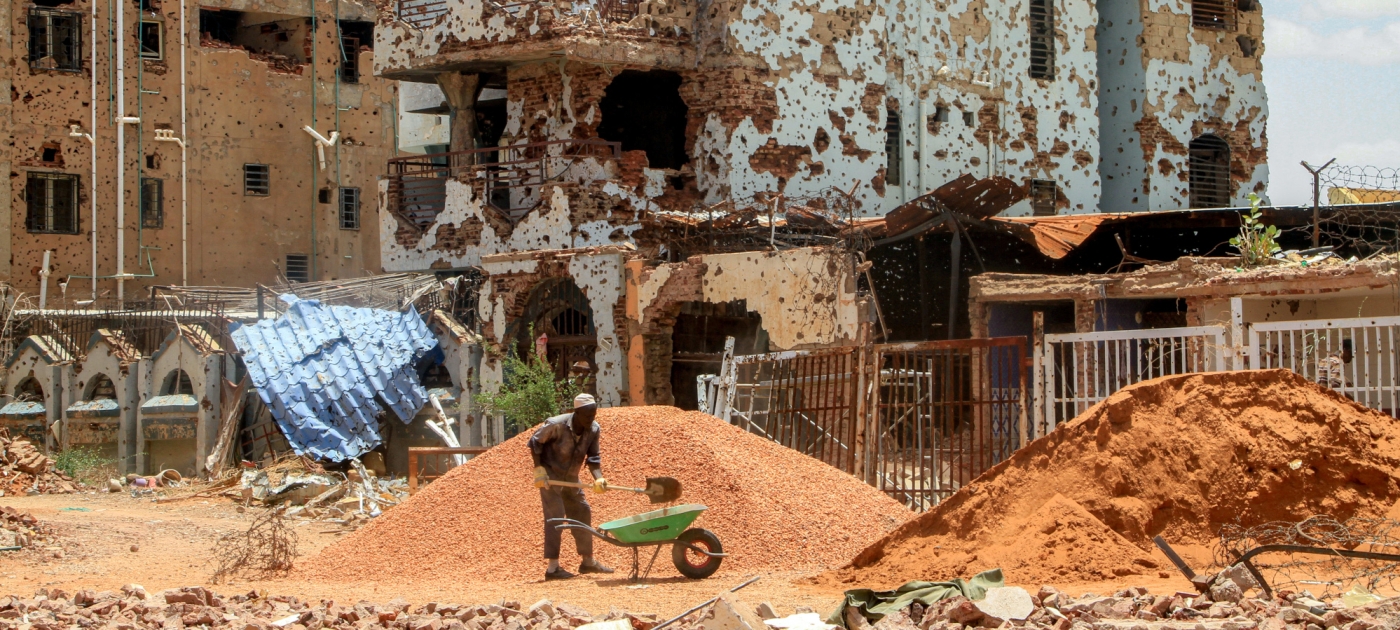
Rubble blankets the streets. Pools of raw sewage fester in the sun. And bodies putrefy in the Nile, Khartoum’s main source of drinking water. While the fighting has moved on from Khartoum, this toxic legacy threatens to sicken and kill for years to come.
The crisis is a snapshot of what can happen to the environment during times of war – and how ecological degradation can compound the misery of conflict-weary civilians.

Examples of this abound. In Iran, the bombing of oil depots sparked downpours of a toxic black rain that singed eyes and irritated lungs. In Ukraine, the destruction of buildings uncorked huge amounts of asbestos embedded in cement rooftops. And in the Gaza Strip, the obliteration of sewage systems likely triggered a wave of typhoid, a life-threatening bacterial infection.
A few months ago, I was in Khartoum to conduct an environmental assessment. It marked the first time I had set foot in my hometown since 2023. That was when my husband, three children and I packed what we could into two bags and fled north on a four-day journey to Cairo.
When I returned, I found once-bustling Khartoum reduced to a ghost town, the odd light shining amid the hulks of bombed out apartment blocks and office buildings.
That, I was prepared for. But the scale of environmental destruction shocked me.
Khartoum’s National Botanical Garden, once home to endangered plants, like the slow-growing Dragon’s Blood Tree (Dracaena cinnabari) was flattened. Stagnant pools of water and sewage have become breeding grounds for malaria-carrying mosquitoes. Burned out factories dot the city, most likely having loosed a toxic stew of chemicals into the air, water and soil. And the degradation of the Sunut Forest has weakened a critical natural flood barrier.
Fixing all this will be vital to the future of Khartoum – and by extension the whole of Sudan, which is home to 50 million people.
The first step in any cleanup will be restoring water and sanitation services, which would help stem the flow of pollution into the environment.
Next, Khartoum must revive key ecosystems, like riverbanks, forests and floodplains, to reduce the risks of floods and other disasters.
Finally, the city will need to insulate itself against future environmental threats, like climate change, by embracing risk-informed planning, reducing pressure on ecosystems and investing in so-called nature-based solutions.
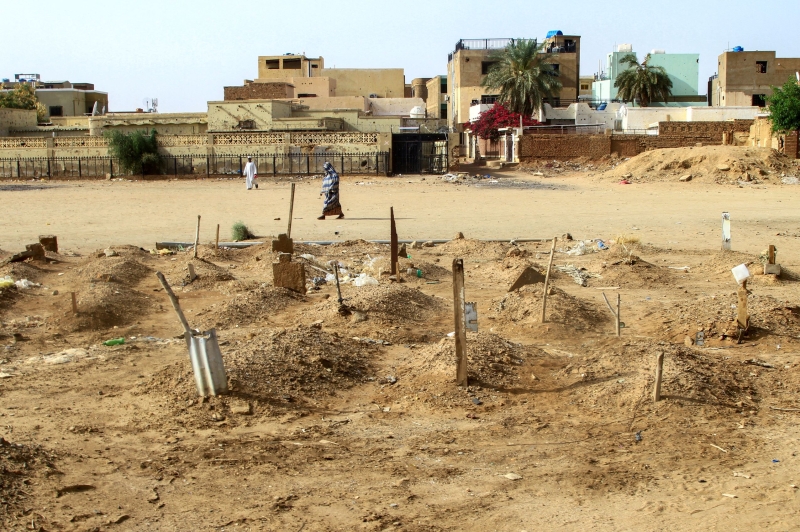
Sudan’s civil war – which has been marked by reports of mass killings – has had a devastating impact on the country’s people. Some 12 million have been forced from their homes and 21 million are facing food insecurity
Amid all that, worrying about the environment might seem like a luxury.
But it is not.
History has shown that conflict and environmental degradation can re-enforce each other in a dangerous cycle.
Khartoum cannot return to being a functioning city with sewage covering its streets and floodwaters lapping at its doorsteps. In Sudan, the path to long-term peace must include the mending of the country’s environmental scars.
Technically reviewed by Sara Eltagni Ahmed, Fabien Monteils and Cecilia Aipira