
News
Showing 1 - 25 of 290
290 results found
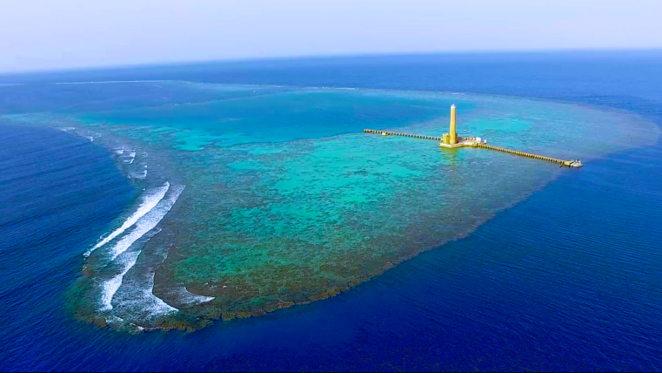
Seven countries have joined forces to improve marine governance and conserve the Red Sea and Gulf of Aden's unique marine ecosystems through GEF-funded initiative.
Implemented by UNEP and executed by PERSGA, the initiative will help countries advance a sustainable blue economy that benefits both people and nature.
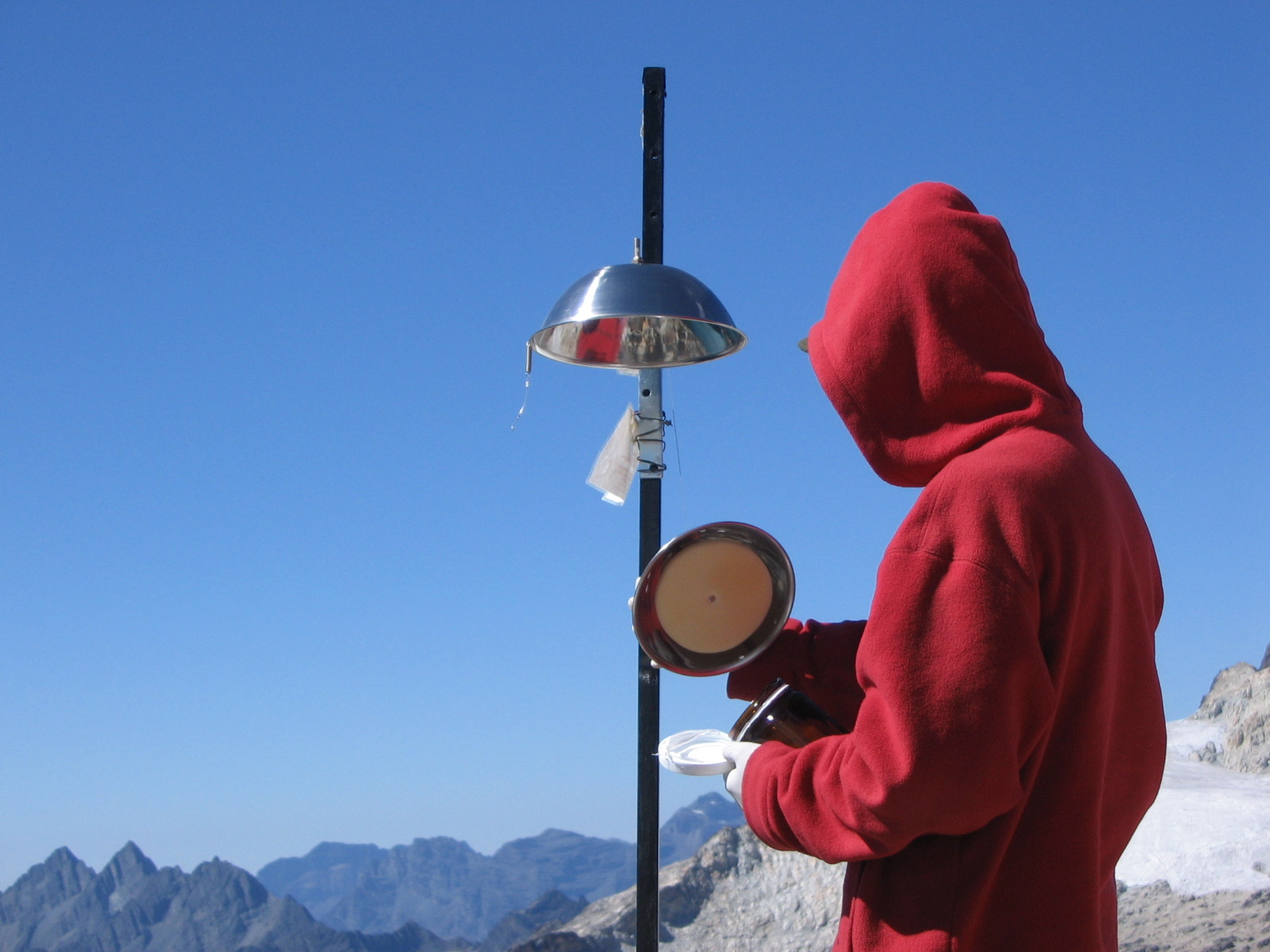
The initiative will strengthen global monitoring of persistent organic pollutants (POPs) and mercury to support multilateral environmental agreements
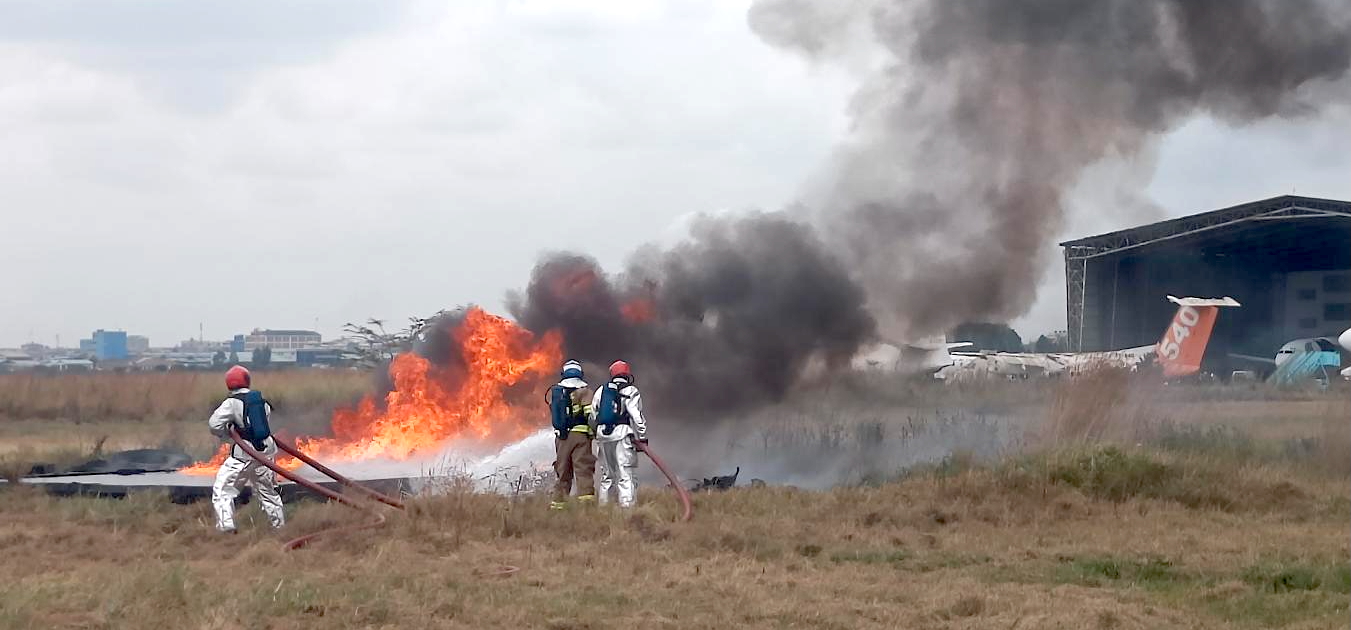
Every year, airports around the world release fluorinated firefighting foams during training exercises and emergency responses. These foams contain PFAS—per- and polyfluoroalkyl substances — a group of chemicals so resistant to environmental breakdown that scientists call them "forever chemicals." Once released, PFAS can persist in soil and water for decades, accumulating in ecosystems and human bodies, and have been linked to serious health and environmental risks.

Samarkand, 4 June 2026 – The Executive Director of the UN Environment Programme (UNEP), Inger Andersen, has named Edward R. Carr, Director of the Stockholm Environment Institute’s US Centre, as interim Chair of the Scientific and Technical Advisory Panel (STAP) to the Global Environment Facility (GEF).
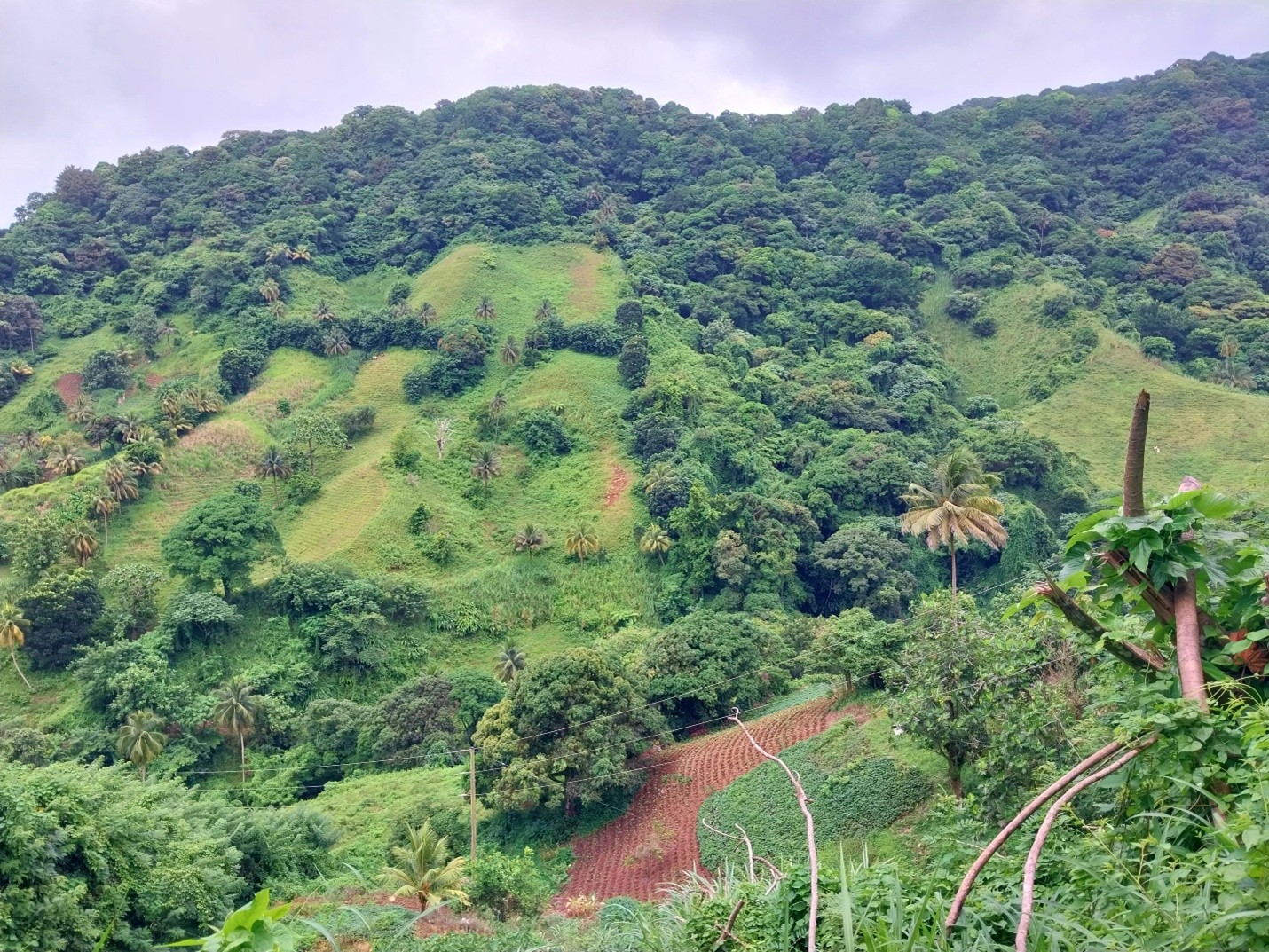
Samarkand, 3 June 2026 – The Global Environment Facility (GEF) has approved a new project to safeguard socio-economic activities and promote sustainable land management through nature-based solutions in St. Vincent and the Grenadines.
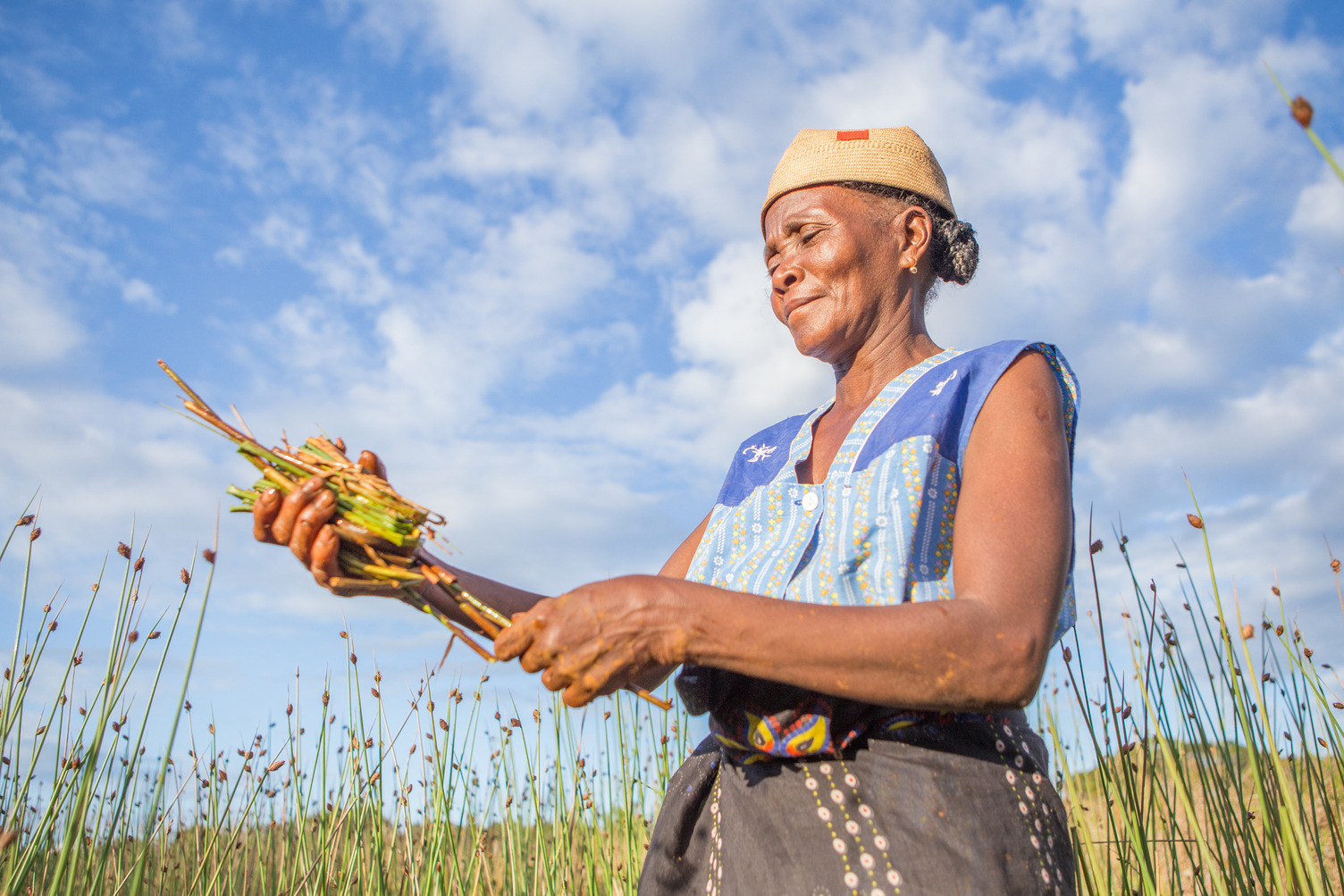
Together with the GEF, UNEP has helped prevent 77 million tonnes of greenhouse gas emissions, restored 6.5 million hectares of degraded land, and supported 70 countries in strengthening their chemicals and waste policies over the last eight years alone.
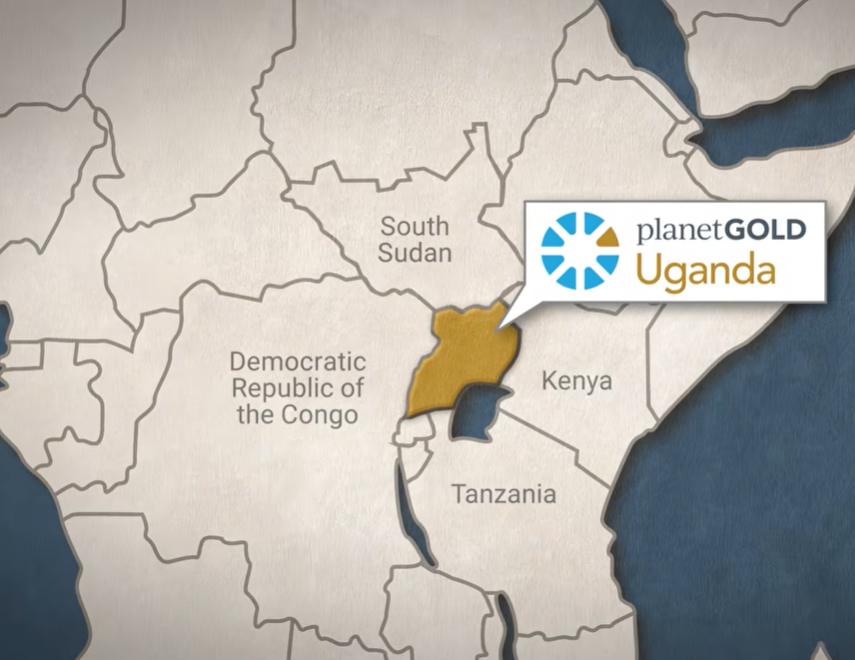
In Uganda, women miners partnering with the planetGOLD project are demonstrating how inclusive leadership, formalization initiatives and responsible gold mining practices can strengthen livelihoods while protecting local communities and the environment for generations to come.
Meet 3 women miners who are marking out a new path toward responsible, mercury-free artisanal and small-scale gold mining.
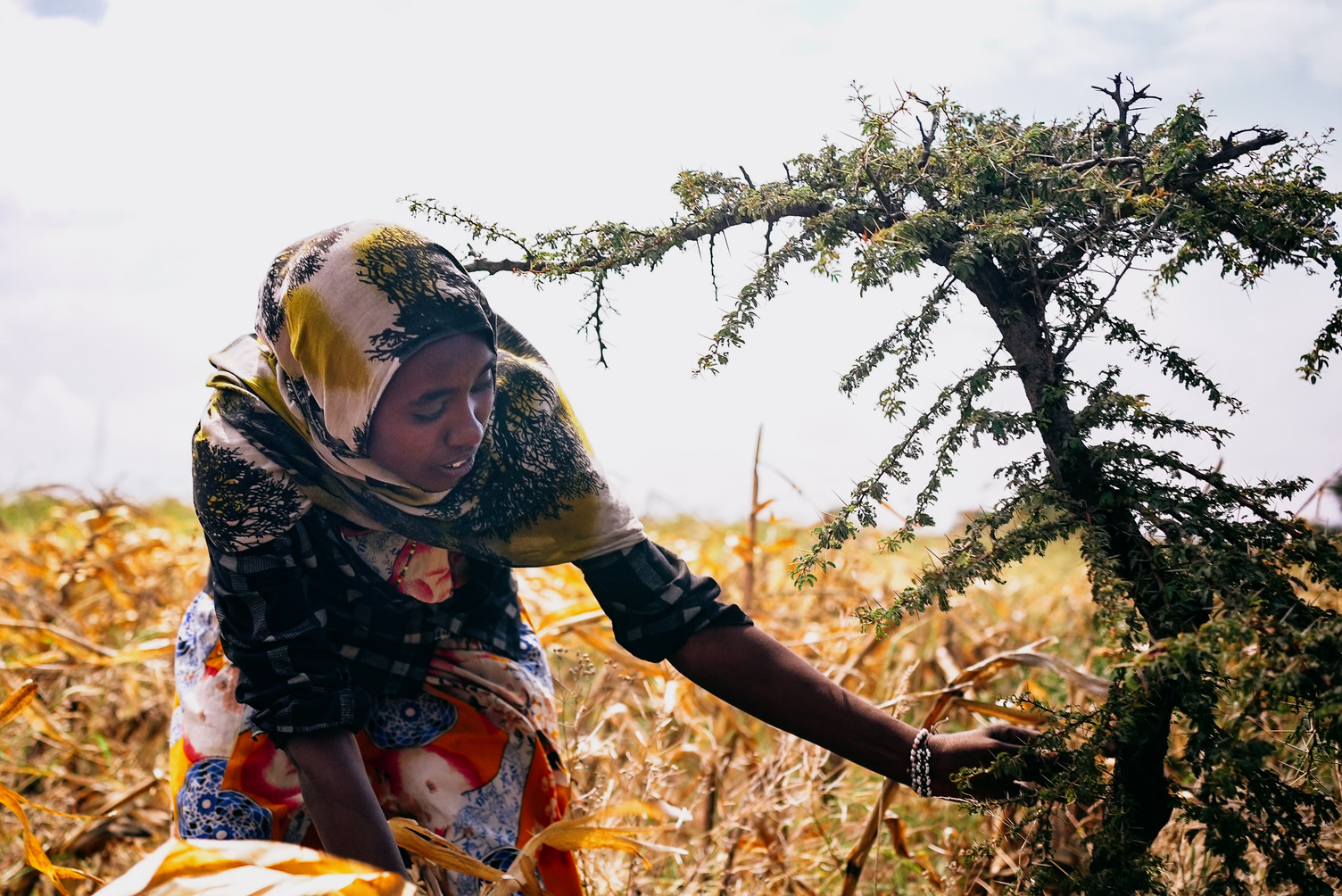
Addis Ababa, 25 May 2026 – Ethiopia is scaling up nature-based solutions to tackle the growing impacts of climate change, with the launch of a new US$ 9.8 million project supported by the Least Developed Countries Fund of the Global Environment Facility and implemented by the United Nations Environment Programme (UNEP).
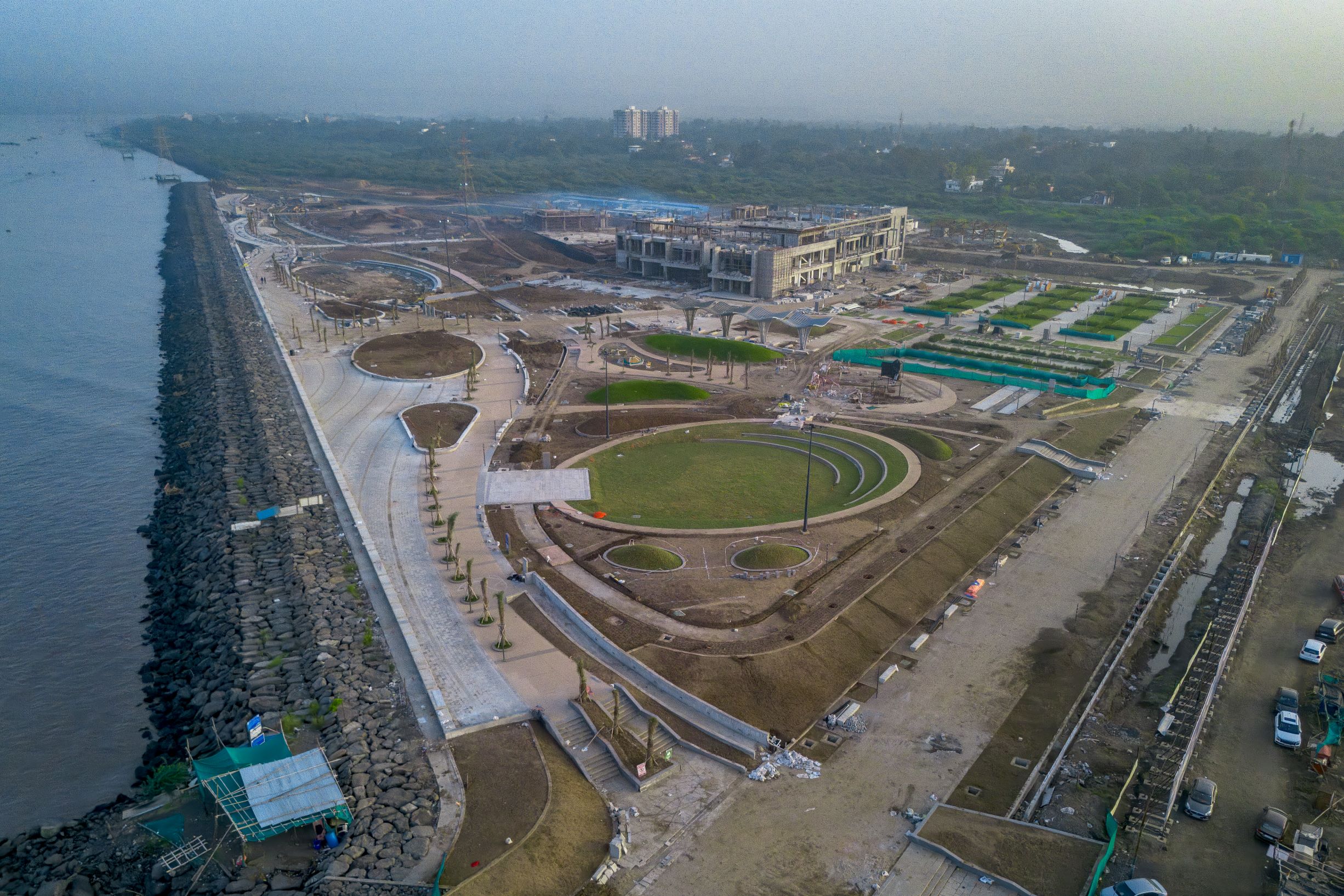
Surat, a bustling Indian city of 7 million people, sits at the meeting point of the Tapti River and the Arabian Sea, and its identity has been shaped by water. But the same geography that for centuries has driven Surat's growth is now threatening its future.
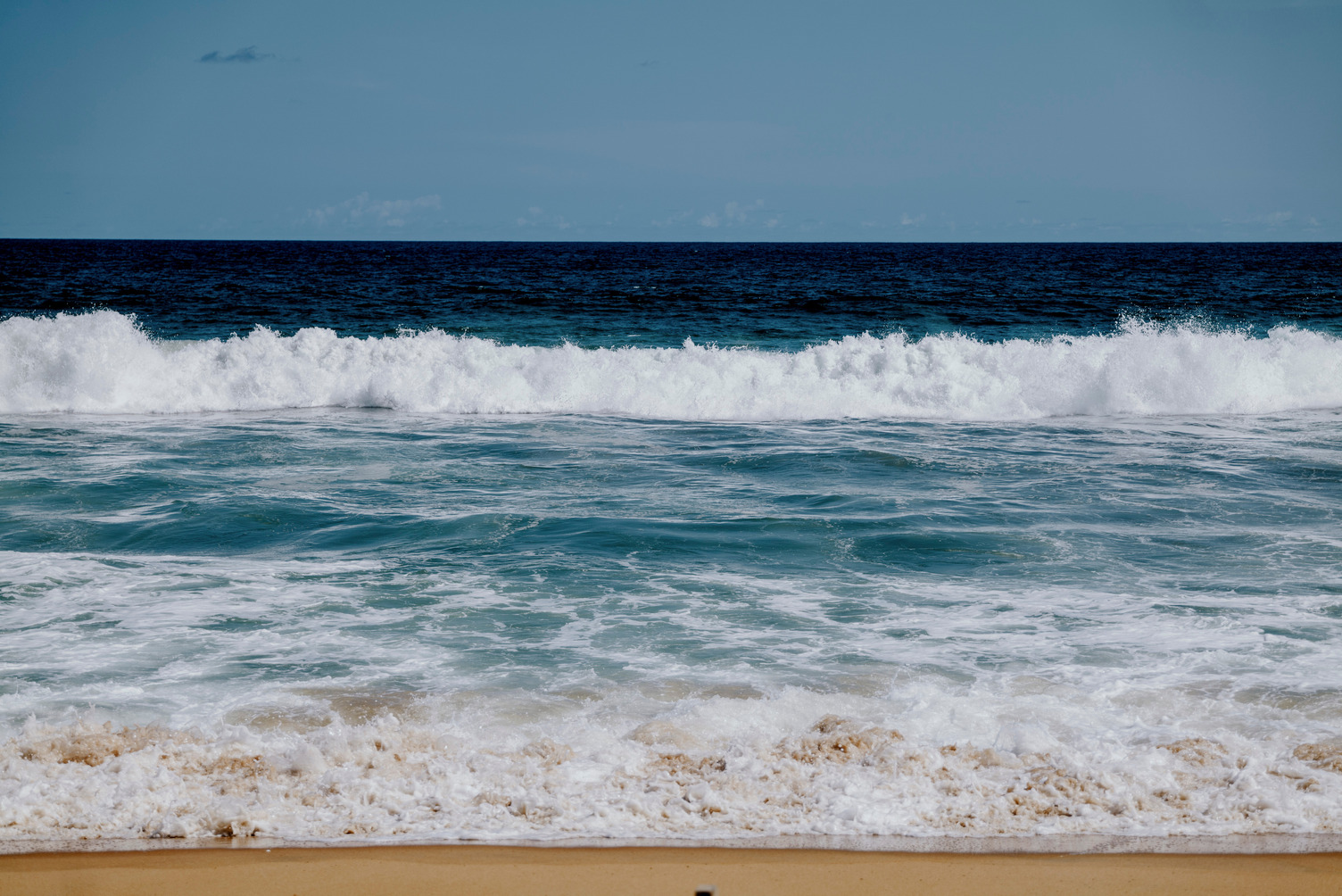
Thailand and the Maldives are strengthening efforts towards nutrient pollution under the Clean and Healthy Oceans Integrated Program (CHO-IP), a global initiative advancing ocean protection by addressing marine hypoxia and land-based ocean pollution.
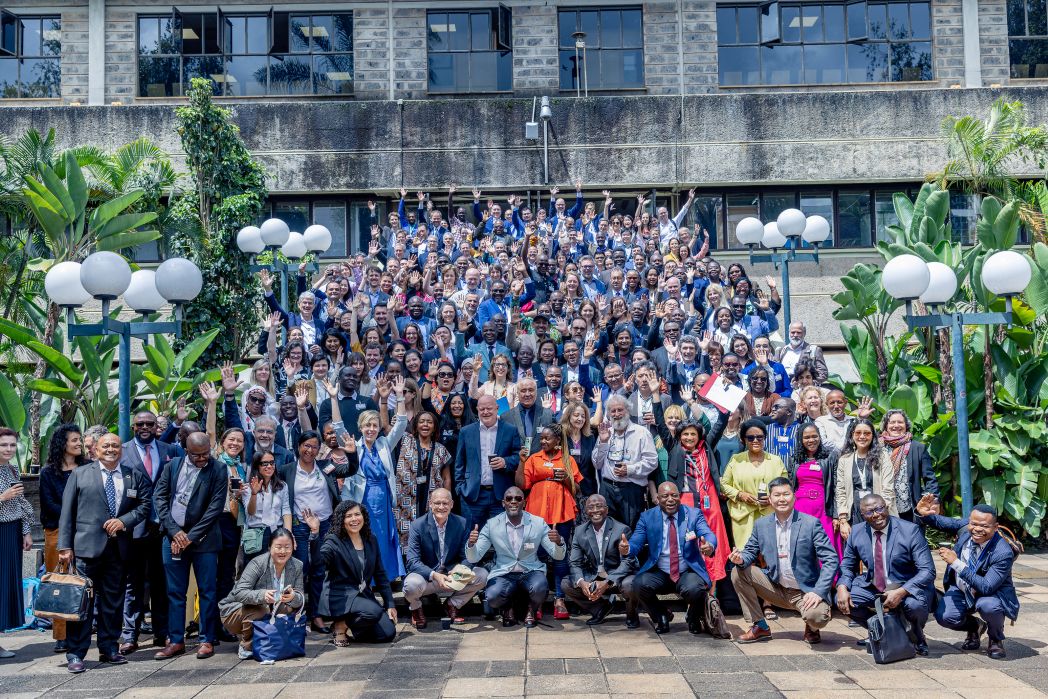
The United Nations Environment Programme co-hosted the Global Forum for the GEF Integrated Programs in Nairobi, bringing together partners to exchange knowledge and advance practical solutions for environmental action.
"As the host of several major multilateral environmental agreements, and as one of the three initial, founding implementing agencies of the GEF, and the home of the Scientific and Technical Advisory Panel, we are pleased to co-host this important forum."
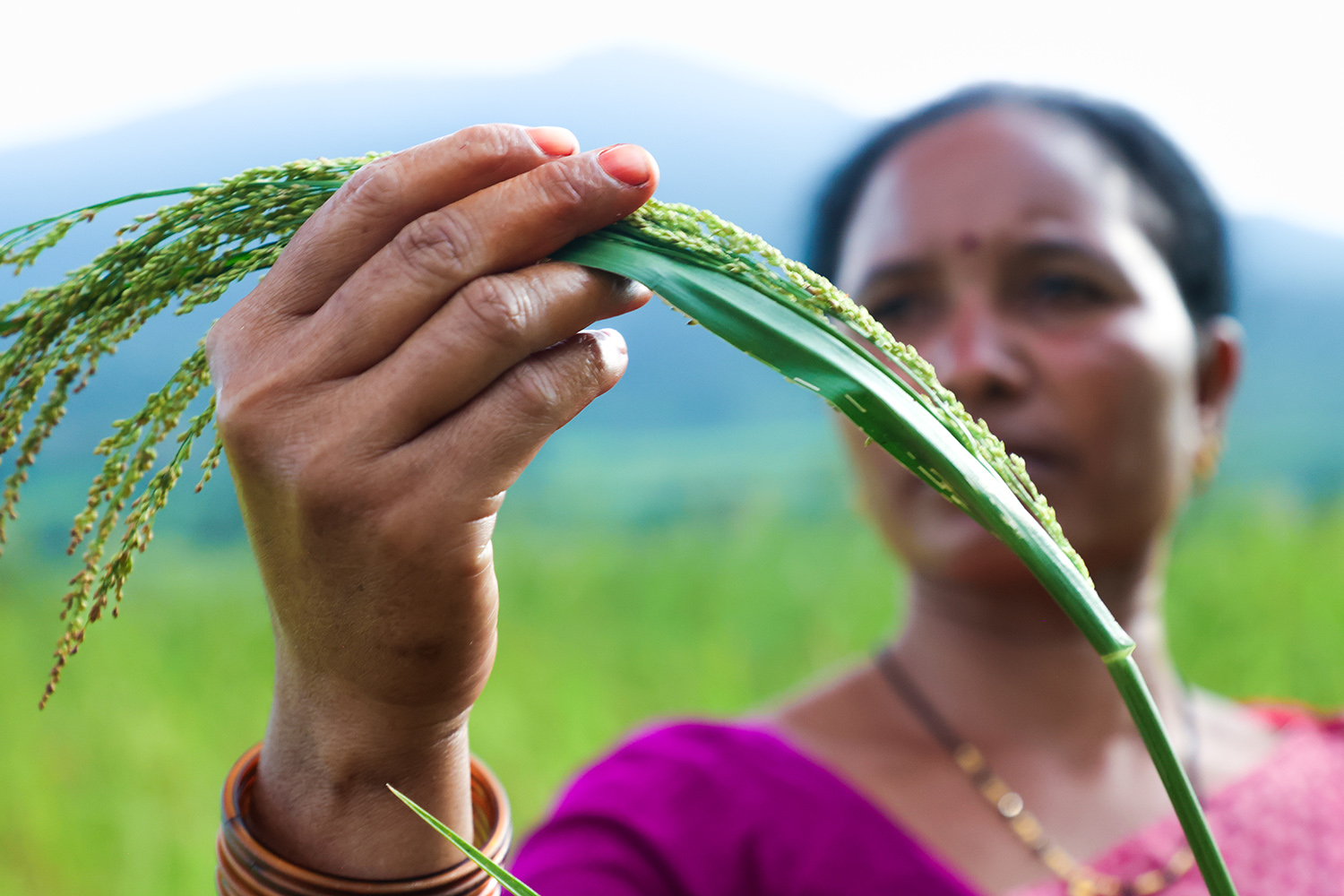
The state of Andhra Pradesh in India may be famous for its stunning emerald-green slopes covered in lush vegetation. Over the past few decades, however, the region has lost 30 to 40 per cent of its original forest cover, according to Dinesh Kumar, a local government official.
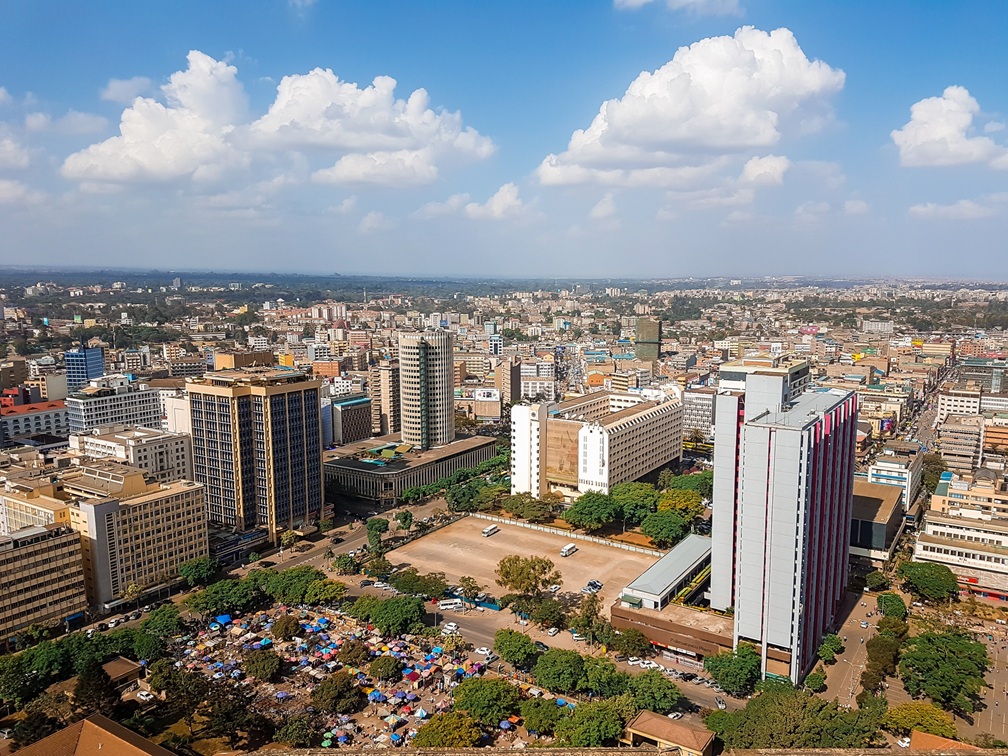
US$ 5.2 million GEF-funded initiative to support low-carbon and nature-positive urban development in Nairobi
Project will pilot integrated green neighbourhood approaches in Kamukunji, aiming to improve living conditions for more than 85,000 residents
Investment will strengthen urban planning, mobilize investment, and support transition to climate-resilient and sustainable cities in Kenya
Part of glob
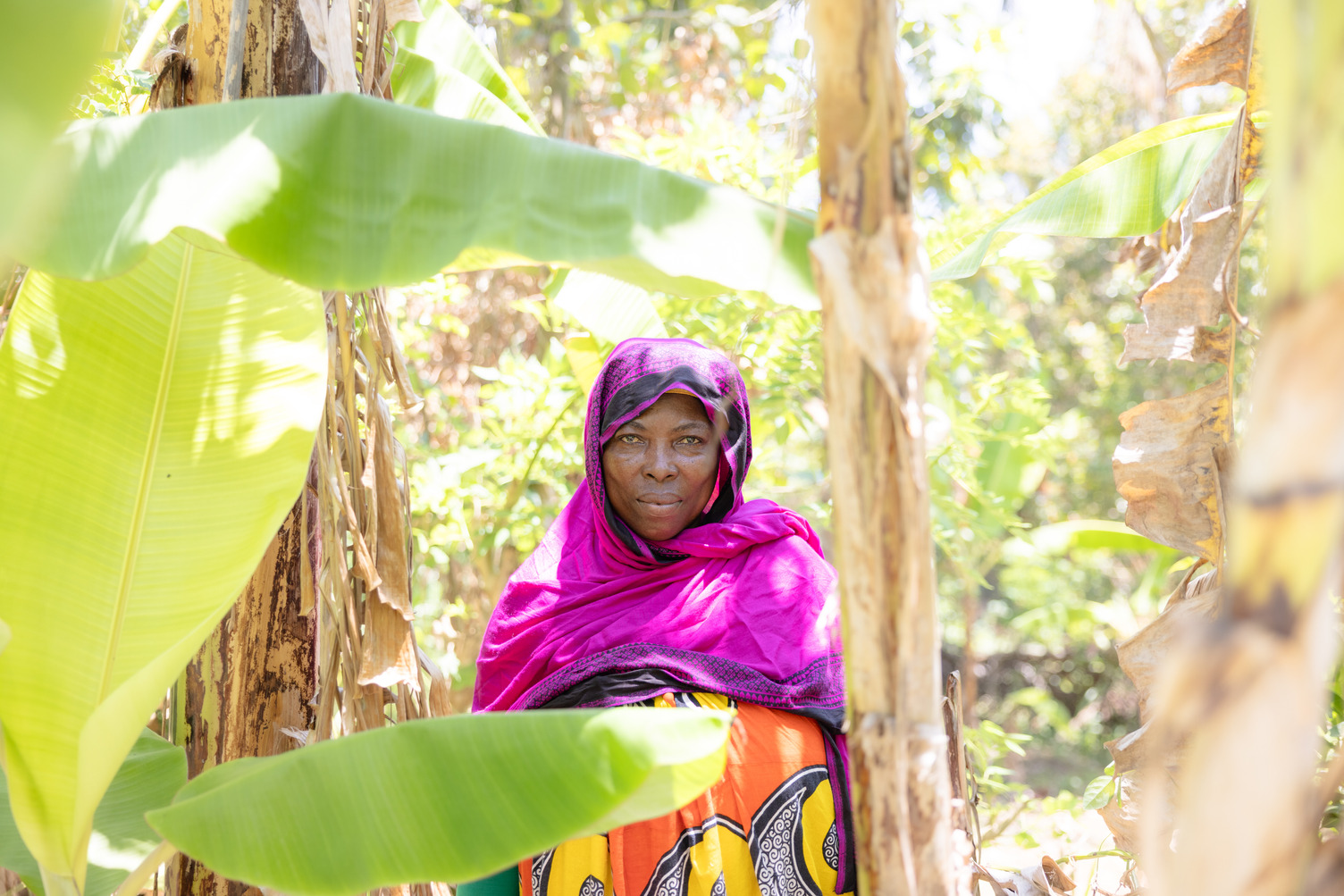
Toybu Ahmed’s green rain jacket blends into the lush jungle as he climbs a steep slope enveloped in milky fog on the island of Anjouan in the Comoros. He moves carefully along narrow paths carved into the hillside. Around him, new trees rise from the soil – a fragile sign of recovery.
Donor countries have pledged an initial $3.9 billion to the Global Environment Facility (GEF) for its ninth replenishment cycle, in a powerful demonstration of commitment to meeting international environmental goals through multilateral cooperation.
The significant funding will enable the GEF to bolster investment in nature-positive development, helping developing countries address their most urgent priorities and generate global environmental benefits that help people as well as ecosystems.
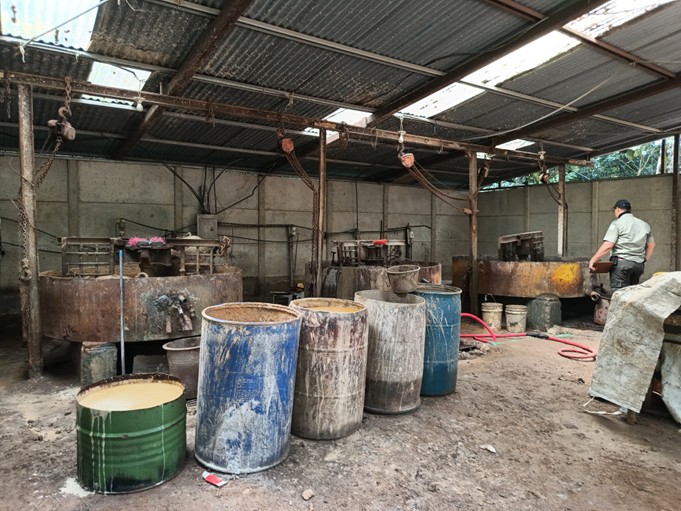
Costa Rica is stepping up efforts to tackle mercury pollution in artisanal and small-scale gold mining through the launch of the US$ 41.5 million planetGOLD Costa Rica, a five-year initiative funded by the Global Environment Facility (GEF). Implemented by the United Nations Environment Programme (UNEP), the project is led nationally by the Ministry of Environment and Energy (MINAE), together with the Alliance for Responsible Mining (ARM).

Across the rural landscapes of Damour in Lebanon, water quietly shapes the rhythm of daily life. It determines when crops are planted, how food is prepared and whether a family’s income will last through the season. For many households, it is women who manage this delicate balance. They rise early to tend fields, maintain irrigation systems, wash produce and preserve food, ensuring that both land and family continue to thrive.
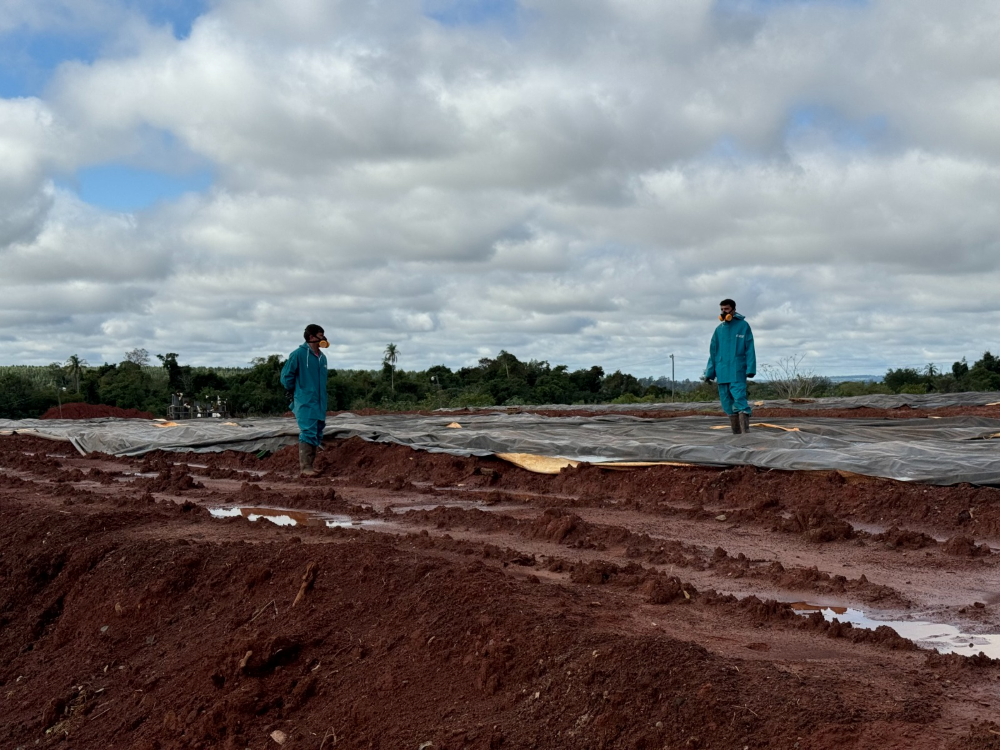
On February 12 the Government of Paraguay officially launched the planetGOLD Paraguay project, a US$ 28 million initiative funded by the Global Environment Facility. The project aims to reduce mercury use while promoting responsible practices in artisanal and small-scale gold mining, with a focus on protecting human health and the environment.
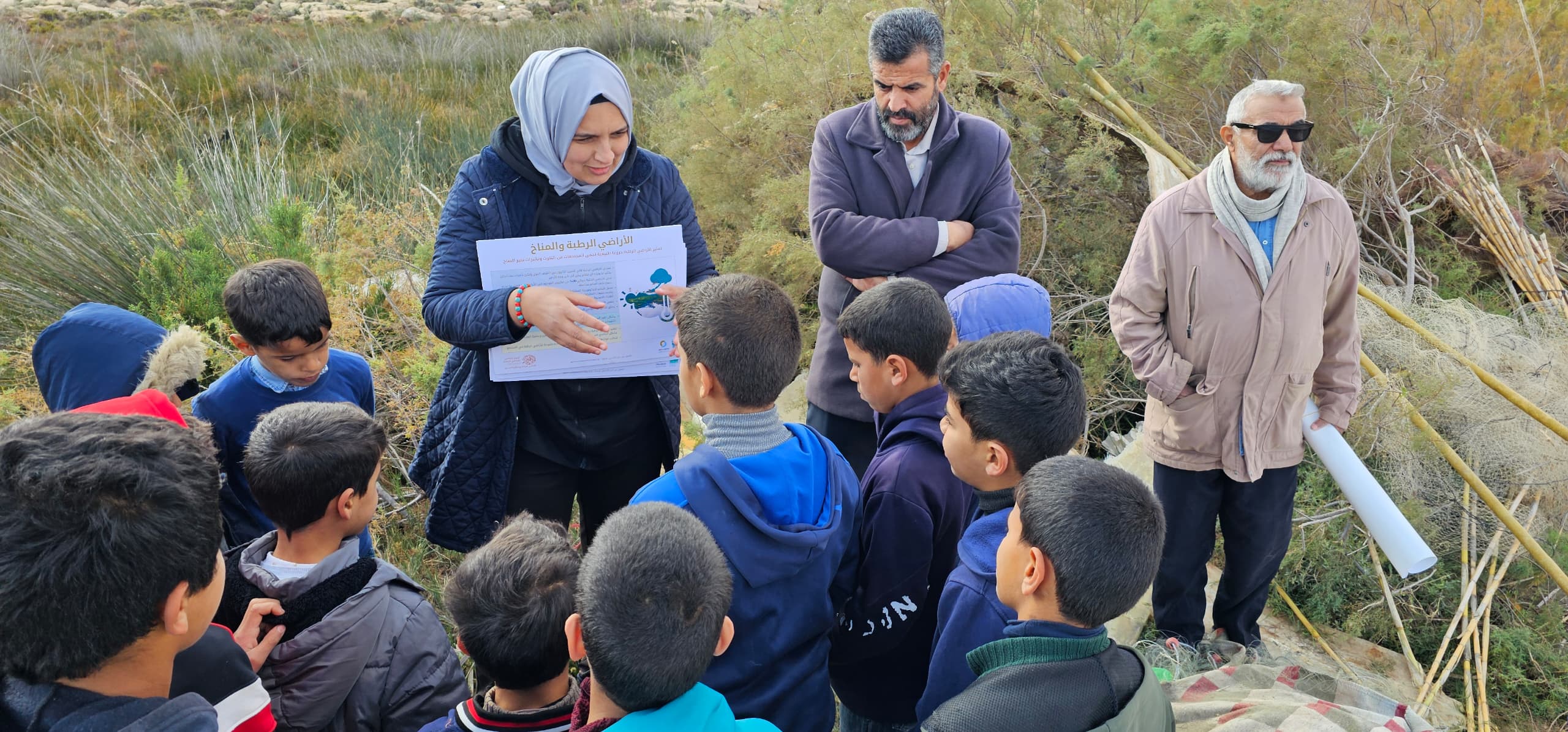
Along Libya’s Mediterranean coastline, marine ecosystems support fisheries, food security and local livelihoods. Yet strengthening Marine Protected Areas (MPAs) requires more than ecological data — it demands inclusive governance, community trust, and gender-responsive approaches.
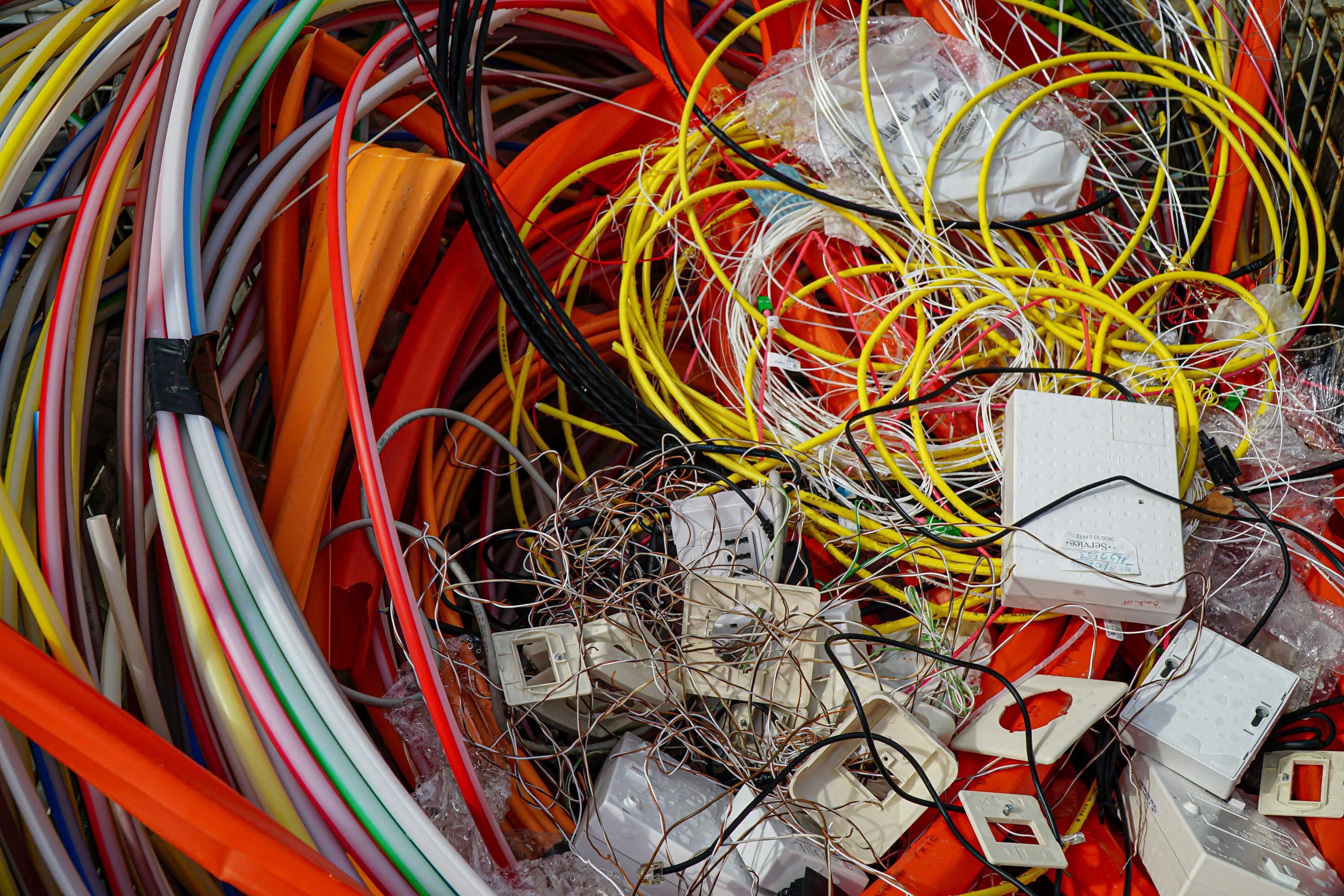
In Montenegro’s informal recycling sector, survival and exposure often go hand in hand.
Each day, workers handle discarded electronics, stripped cables and broken appliances, frequently without adequate protective equipment. In the process, they are exposed to hazardous substances including mercury, lead, dioxins and Persistent Organic Pollutants (POPs). According to the World Health Organization, chemical exposure contributes to at least 2 million deaths globally every year, and global chemical production is projected to double by 2030.

The Financing Agrochemical Reduction and Management (FARM) Programme has launched its new website, providing a central platform to support the transition towards more sustainable agrifood systems.
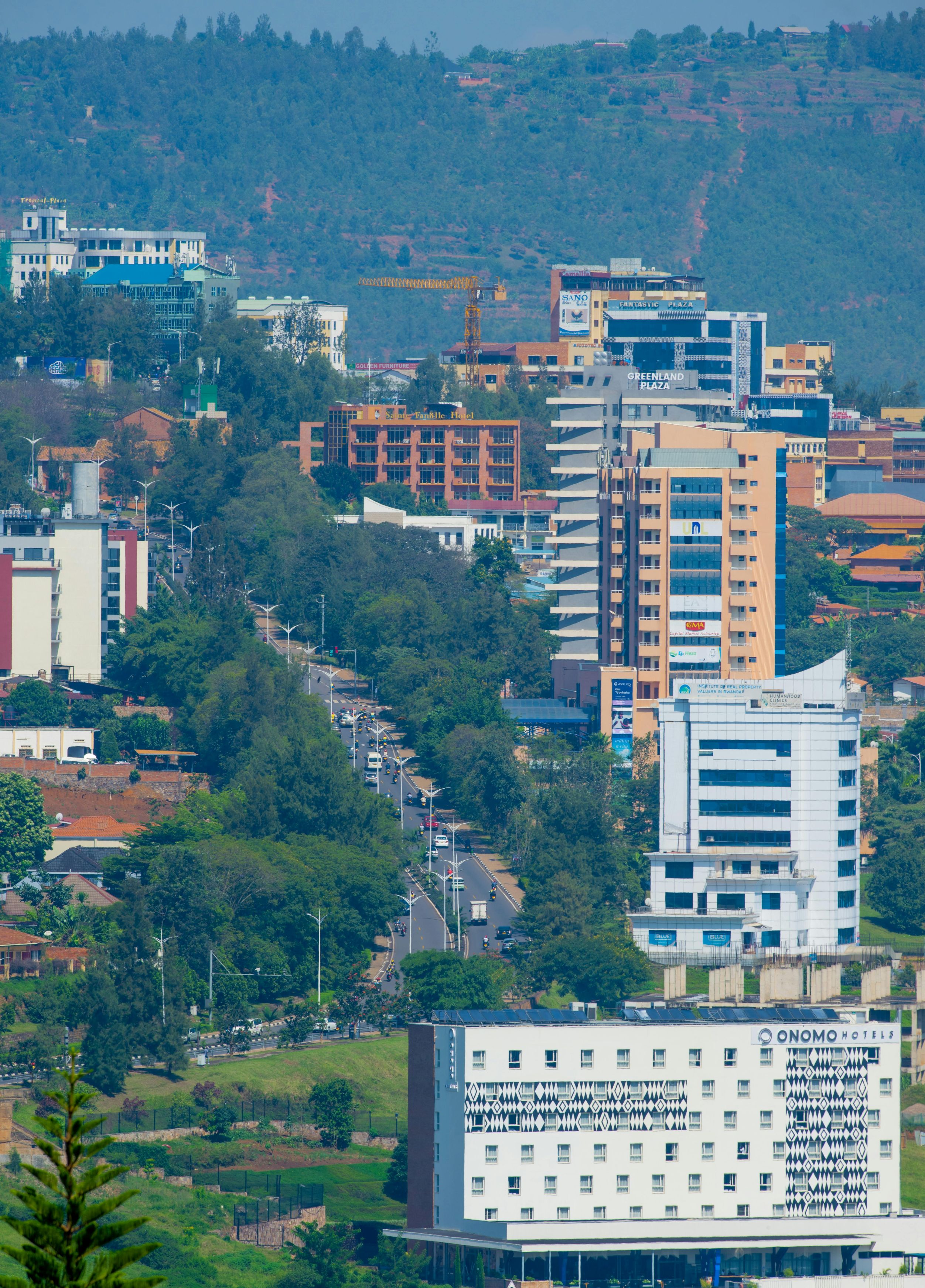
Rwanda will host the first-ever centralized group review of Biennial Transparency Reports (BTRs) for African Least Developed Countries (LDCs). The event will take place alongside a hands-on capacity-building training on Enhanced Transparency Framework (ETF) tools.
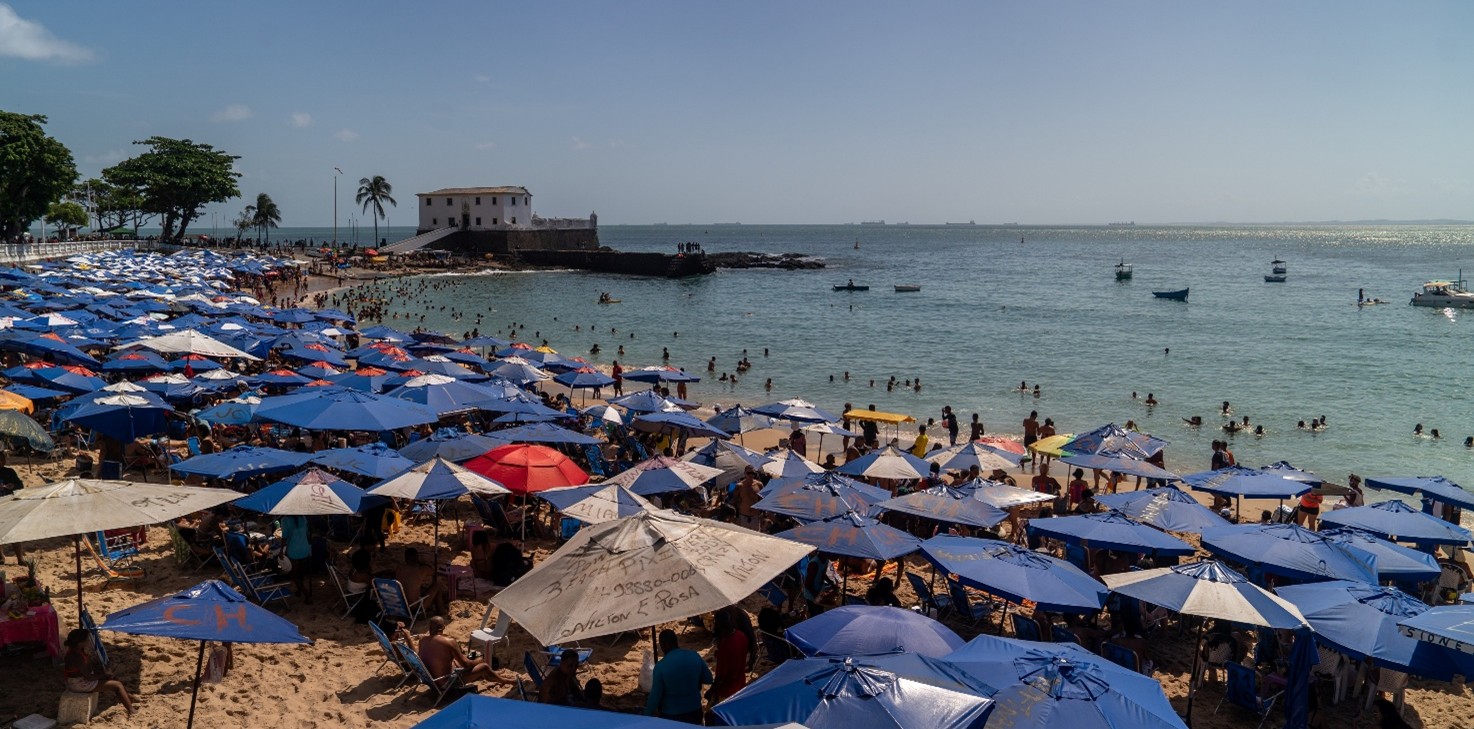
“When we are diving and fishing, we find a lot of fish stuck—turtles, crabs, all stuck inside the plastic,” says fisherman Sir Sinho from Salvador, Bahia.
Along Brazil’s extensive coastline, fishing, tourism and marine life exist side by side. In Bahia, one of the country’s most ecologically rich coastal regions, the ocean supports local livelihoods while reflecting the imprint of everyday choices made on land.

Early in the morning, before the heat becomes unbearable, Phillip Williamson hacks his way through dense scrubland, surrounded by swarms of mosquitoes. He cuts tangles of vines and carefully avoids rash-inducing leaves.
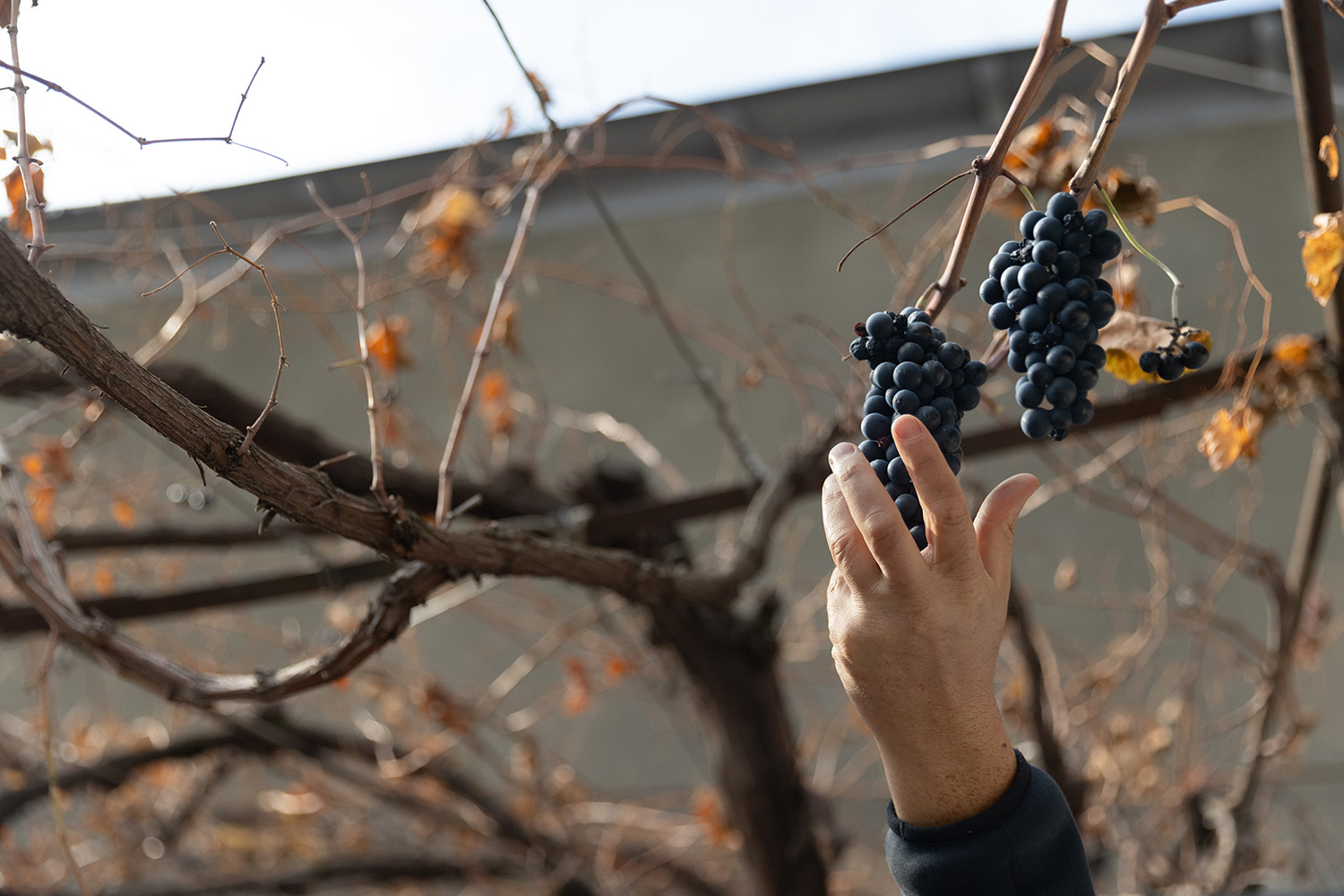
Georgia’s Samtskhe-Javakheti region lies along the country’s southern edge, its hills rolling into the Turkish border. Centuries-old fortresses and monasteries, now tourist attractions and heritage sites, sit atop high plateaus overlooking villages shaped for generations by small-scale farming.
Showing 1 - 25 of 290
The Global Environment Facility (GEF) includes several multilateral funds working together to address the planet's most pressing challenges in an integrated way. Over the past three decades, the GEF has provided more than $26 billion in financing, primarily as grants, and mobilized another $148 billion for country-driven priority projects.