Georgia’s Samtskhe-Javakheti region lies along the country’s southern edge, its hills rolling into the Turkish border. Centuries-old fortresses and monasteries, now tourist attractions and heritage sites, sit atop high plateaus overlooking villages shaped for generations by small-scale farming.
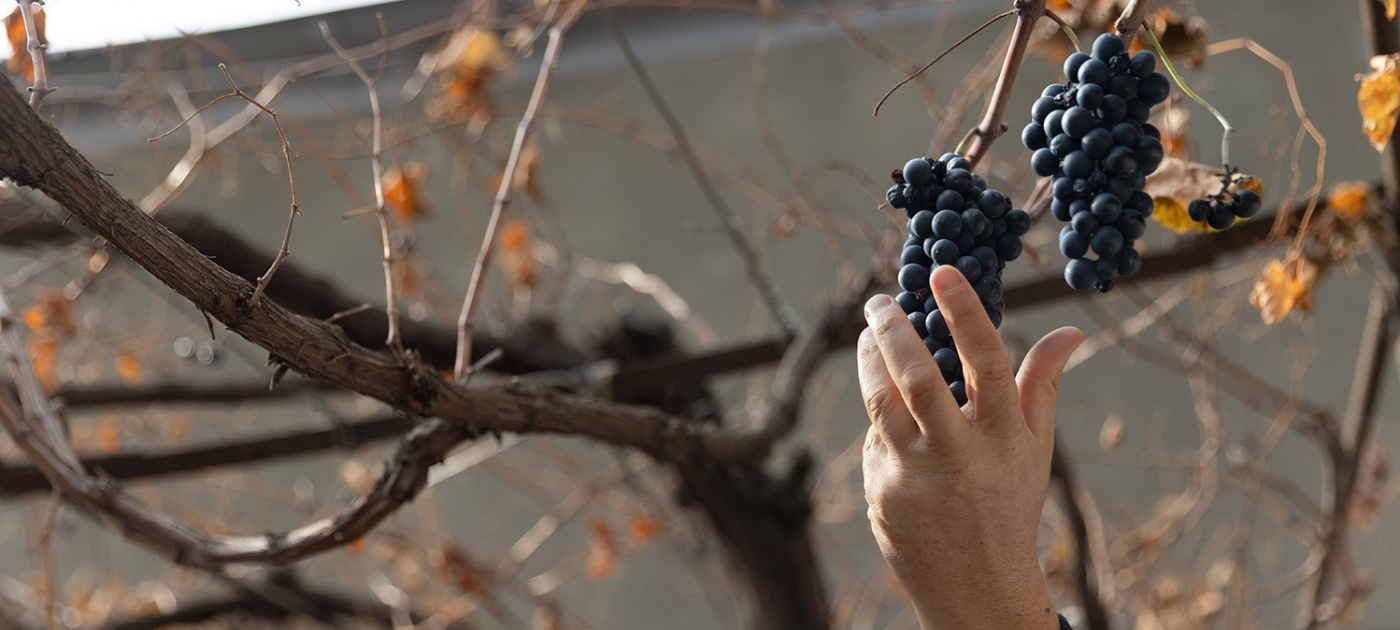
Situated within the Caucasus region, Georgia’s varied terrain has supported high levels of crop diversity. It is home to 15 of the world’s 27 known wheat species and more than 500 varieties of indigenous grapes. However, this diversity and its farming traditions proved harder to maintain than its historic landmarks.

During the Soviet Union period, the country’s agriculture was under a collectivized system limiting farmer autonomy and deprioritizing local practices and native crop varieties. This, and later economic hardship, strained the ways of traditional farming. Over time, as the use of intensive agricultural practices accelerated, so did the pressures on the land.
Large-scale soil erosion, already a naturally occurring process, has intensified due to unsustainable land use practices, contributing to drought and desertification, which in turn have further exacerbated erosion. In 2018, land degradation reduced Georgia’s agricultural GDP by 8 per cent – a localised emblem of a global crisis in which land degradation undermines livelihoods and affects more than 40-per cent of the world’s population.
In the face of these challenges, small-scale farmers across the Samtskhe-Javakheti region, which was historically one of the country’s breadbaskets, are staging a comeback: reviving ancient wheat and grape varieties through traditional practices that link land, livelihoods and food.

This effort is part of a project led by the United Nations Environment Programme (UNEP) and funded by the Global Environment Facility (GEF), including collaboration with the Regional Environmental Centre for the Caucasus (REC Caucasus), the project’s national executing agency, to address land degradation and the loss of agrobiodiversity. Agrobiodiversity refers to the variety of life that supports healthy and resilient agriculture, including crops, livestock, pollinators, soil microbes and wild species.
By conserving and restoring this diversity, the project is also helping farmers sustain and revive traditional practices rooted in local food systems. To date, the project has supported 148 farmers to establish more than 500 demonstration plots of endemic wheat and vines across six municipalities.

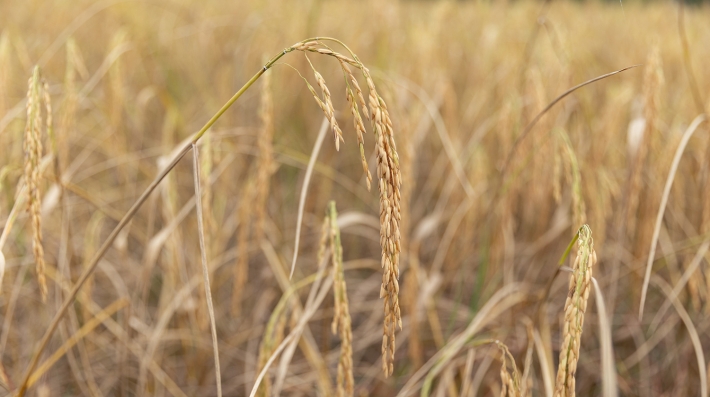
Aluda Jvaridze is one of the farmers supported by the project to apply biodiversity-friendly farming practices. Now, Jvaridze grows endemic wheats, such as Akhaltsikhe Tsiteli Doli and Dika, and grapes, including Meskhturi Mtsvane and Kharistvala. These native varieties are naturally adapted to the local climate and thrive without the use of harsh pesticides and fertilizers, benefitting not only the health of the land and soil, but also Jvaridze’s income.
At his family’s ancestral home, Jvaridze now welcomes visitors to experience traditional Georgian bread, wine, and cheesemaking, made using these ancient varieties in cooking methods practiced in his family for generations. A large stone oven is used for baking, while a qvevri, a clay vessel, is buried underground where it is used to make, age and store the wine.

Across the region, other farmers supported through the project are doing the same. When husband and wife farmers, Zaza Ivanide and Tiko Chilingarashvili started cultivating endemic wheat and grape varieties, their neighbors were skeptical, noting that they often experience lower yields than the monocrops that replaced them.
“On the same size land plot, my harvest was 10 times less,” Ivanide explained. “When they pointed fingers, joking ‘is this all you get from your famous Georgian wheat?’ I did not get discouraged.”

Over time, a different story has emerged. Ivanide and Chilingarashvili are paying less in agricultural inputs, and the soil has improved. Today, people line up around the block for a taste of their khachapuri, a traditional Georgian cheese-stuffed bread. The kind that Ivanide makes is one of more than 50 regional variations of the Georgia national dish.
“Even back then, I knew in my heart that one grain, one slice of bread had more value than all their yields combined,” Ivanide quipped. “The quality is far superior, not only in taste and [lower] gluten content, but also because of the inherent value it brings to keeping the land and the heritage of Georgian wheat alive.”

Beyond supporting native crops, the project works to scale sustainable practices such as crop rotation and pollinator-friendly farming that support a wider diversity of plants and species while building capacity and awareness among farmers to ensure long-term adoption.

This work in Samtskhe-Javakheti aligns with Georgia’s national commitment to achieve land degradation neutrality by 2030 and complements policies aimed at restoring forests, improving soil health, contributing to climate neutrality and integrating sustainable land management into national planning.
Through the project’s interventions, hundreds of smallholder plots are now managed more sustainably, covering a combined area of more than 300 hectares – a meaningful transformation in a place where most farms are under a hectare.

“Our early soil analysis showed that intensified agriculture was not sustainable, and that conservation and smart practices would not only improve soil quality but sustain farmers’ income over time,” said Sophiko Akhobadze, Director of REC Caucasus.
For farmers like Jvaridze, Ivanide and Chilingarashvili, the restoration of land and tradition now go hand-in-hand and is rooted in their daily life. Here, renewal is not only about getting more out of the land but also about rediscovering the diversity that has always defined it.