For the snow leopards of Central Asia, it has been the perfect storm.
Climate change, declining prey numbers and run-ins with livestock are threatening the survival of these solitary big cats. Today, there are between 3,500 and 7,500 of the animals, which are officially classified as “vulnerable”, one step below “endangered.”
Experts say their plight is emblematic of a larger wildlife crisis unfolding across the snow-capped mountains of Central Asia.
But in some places, there are signs of hope. That includes a swath of Kyrgyzstan’s rugged Tian Shian mountains. Here a small group of volunteer rangers have taken it upon themselves to patrol 380 square kilometres of some of the region’s harshest terrain.
Braving bone-chilling temperatures and rifle-armed poachers, their goal is to protect the snow leopards’ prey and habitat – and spark a resurgence of an elusive animal known locally as the ‘ghost of the mountain.’
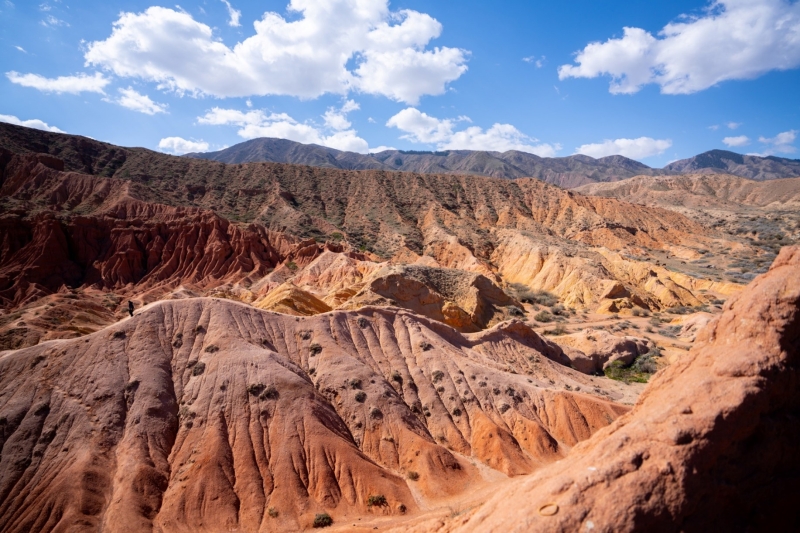
More than 90 per cent of Kyrgyzstan, a landlocked nation of 7 million, is mountainous. The country’s peaks are home to an abundance of wildlife, including the argali sheep, famed for its large, winding horns, the Asiatic ibex, one of the world’s largest mountain goats, and the Tian Shian maral, a relative of the red deer. But many of those animals are under mounting pressure from climate change – and humans.
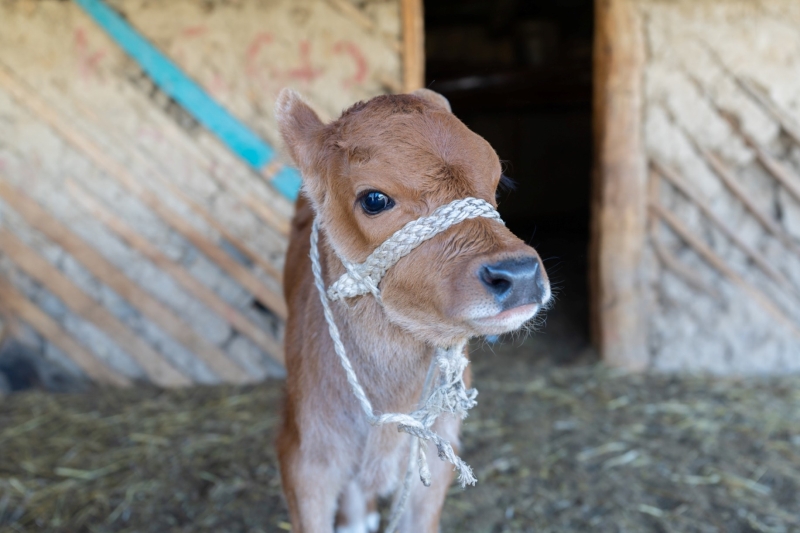
For generations, Kyrgyzstan’s sprawling plains and upland meadows have supported a booming livestock industry. But rising temperatures, locals say, are causing glaciers-fed springs to dry up and pastures to degrade. This is forcing herders to push further up into the mountains – once the domain of snow leopards and their prey.
That has the potential to be calamitous for wildlife, say conservationists. The ranges of many migratory animals, leopards among them, are shrinking. Wild sheep, deer and other herbivores are being forced to compete with livestock for pastureland. And many wild animals face a mounting risk of catching livestock-borne diseases to which they have little or no immunity.
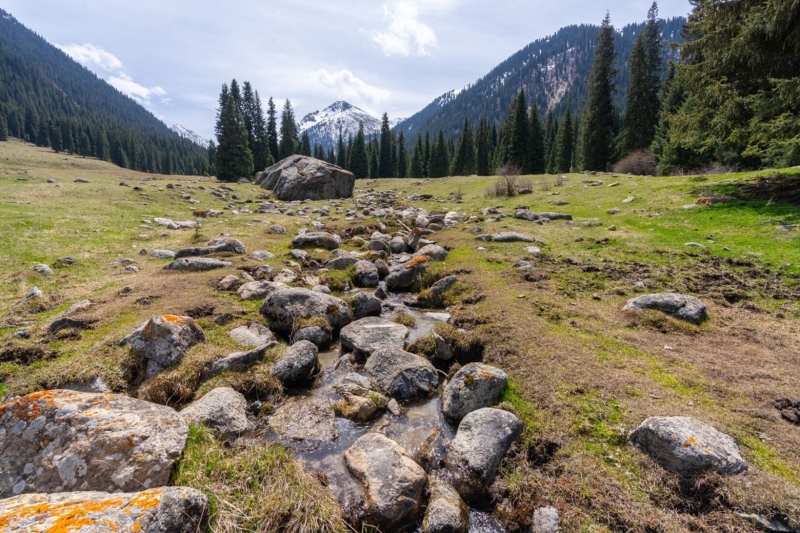
Several conservation projects are aiming to counter those headwinds. This includes an effort led by the United Nations Environment Programme (UNEP), in collaboration with local partners CAMP Alatoo and Ilbirs Foundation. Funded by Germany’s International Climate Initiative, its goal is to help rural communities adapt to a fast-changing climate in ways that protect the wildlife that surrounds them.
As part of the push, UNEP supported the creation of a 200-kilometre-wide ecological corridor connecting several of Kyrgyzstan’s nature reserves. The wildlife superhighway – part of 10,000 square kilometres of protected areas – allows species to move with the changing climate. It is considered crucial to the survival of migratory animals like the argali sheep and Asiatic ibex, key prey of the snow leopards.
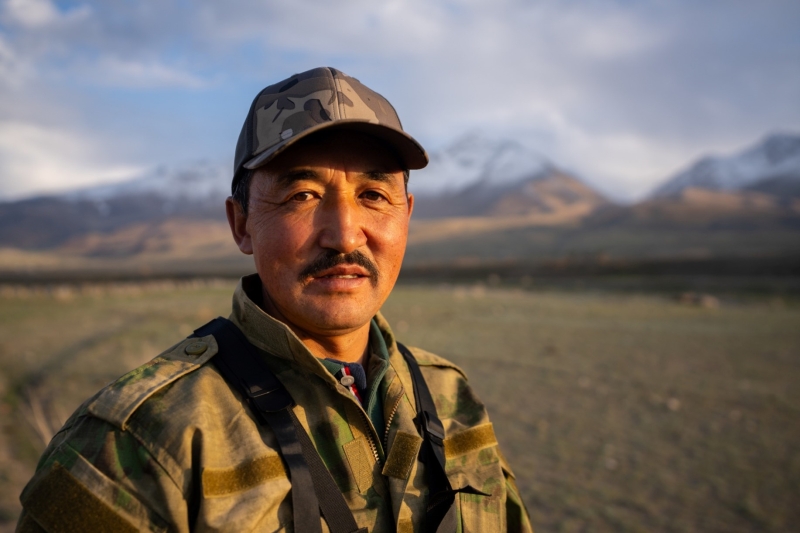
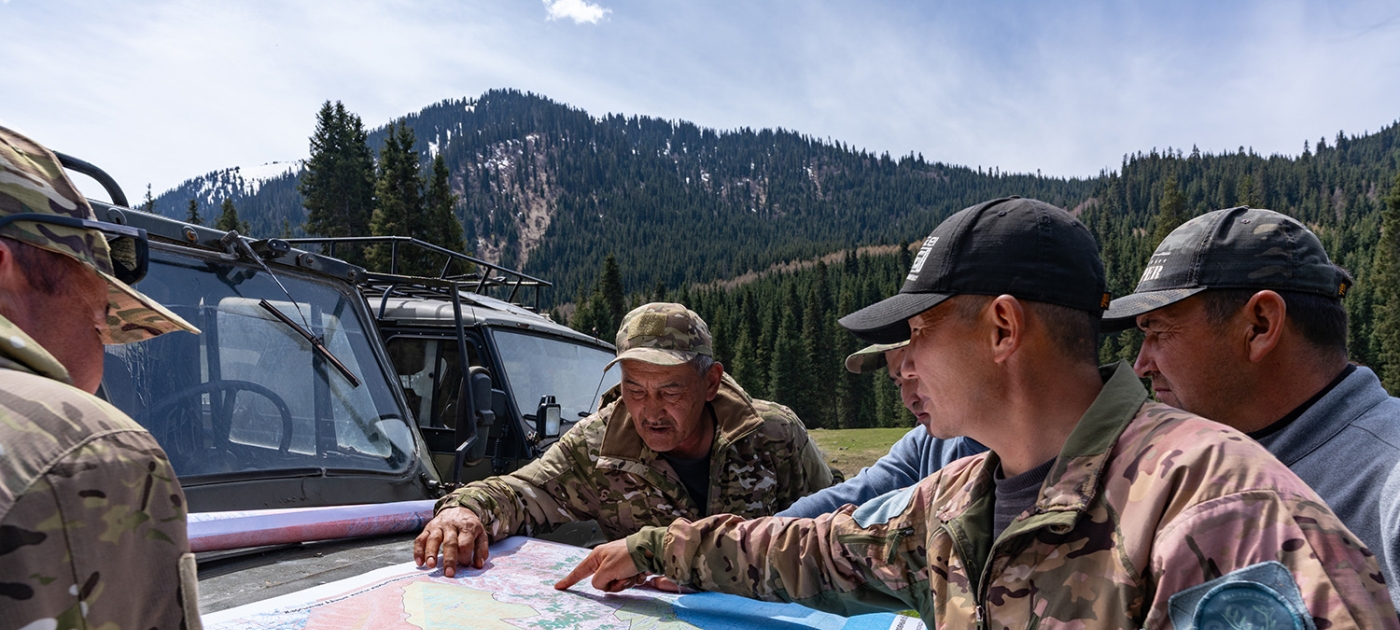
Policing parts of the corridor are volunteer rangers, like 51-year-old Baatyrbek Akmatov. He and five others are responsible for patrolling the 380-square-kilometre Baiboosun Community Reserve in northern Kyrgyzstan. Many of the rangers are former hunters, dismayed by the toll that wildlife trafficking has taken on Kyrgyzstan’s wild ungulates, like the ibex.
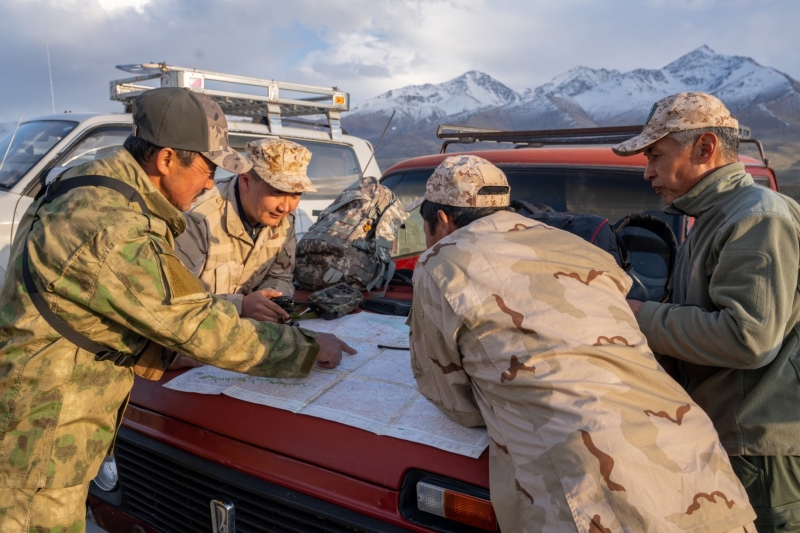
They travel by jeep and on horseback, looking for both poachers and herders grazing their cattle in ecologically sensitive areas. “We decided to start this or we would lose everything,” says Akmatov, speaking about the ranger corps. “I don’t want to show my kids on my mobile phone that we used to have this nature, these animals. I want them to see it with their own eyes.”
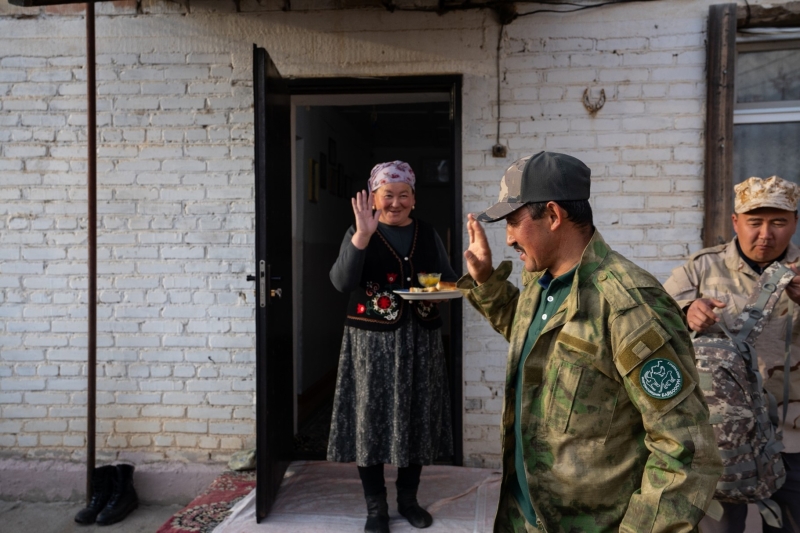
The Kyrgyz government couldn’t afford to pay the rangers but gave them the authority to manage the corridor and arrest poachers. The UNEP-led initiative – formally known as the Central Asian Mammals and Climate Adaptation project – provided them with training and equipment.
Their patrols can last three days and take them deep into the Tian Shan Mountains. It can be dangerous work. Often patrolling alone to cover the massive reserve, rangers face landslides, flash floods, vicious thunderstorms and sometimes poachers armed with rifles.
At first many locals bristled at the patrols, including herders fearful they would be banned from grazing their cattle. But over time, prey species began to return and so did apex predators, like wolves and snow leopards. Twelve of the big cats have been spotted in and around Baiboosun in recent months.
The animals have raised spirits and brought with them new economic opportunities, like eco-tourism. “People’s mindsets are changing. They’re understanding the importance of protecting their environment,” says Akmatov.
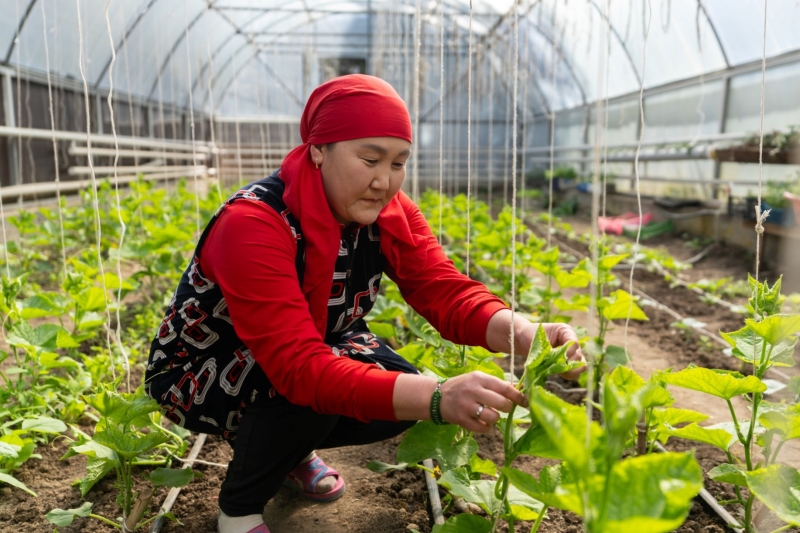
To help reduce conflicts between humans and wildlife, local partners of the UNEP-led project have been training community members in livelihoods that are less vulnerable to climate change and more sustainable. In the village of Chong-Zhargylchak, women like Elia Ismailova have been taught beekeeping, cheese making and how to grow greenhouse crops, like tomatoes, boosting their incomes. Ismailova called the programme a godsend for a village that had long struggled with unemployment.
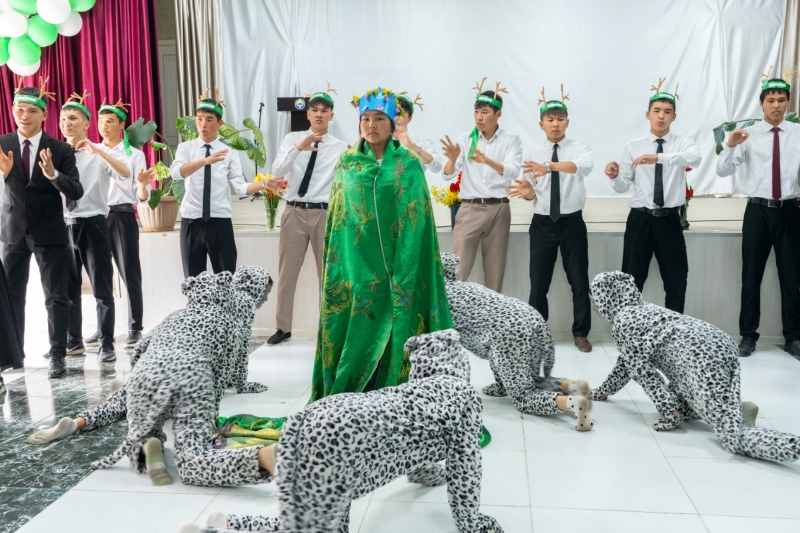
Teams have also worked hard to raise awareness about the importance of wildlife, training more than 200 Kyrgyz teachers in biodiversity-related issues. Those lessons have filtered down to students who in Chong-Zhargylchak, who created a play about the lives of snow leopards.
The UNEP-led project is designed to support the Kunming-Montreal Global Biodiversity Framework, a landmark 2022 agreement to reverse what experts call the alarming decline of the natural world. Among other things, the pact calls on countries to expand protected areas and better connect ecosystems.
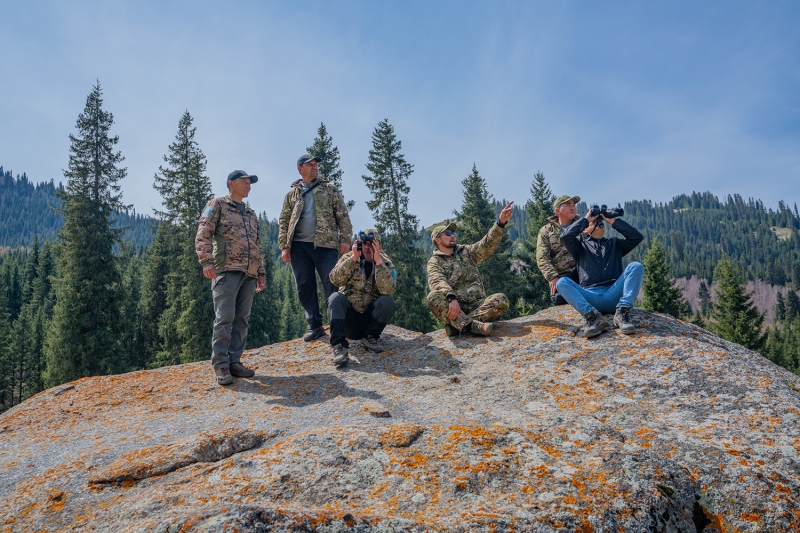
Ismailova’s husband, Talant Usupov, leads a ranger troupe from the village. He says the patrols are starting to bear fruit. Wild boars have returned to the area for the first time in nearly two decades. Ibex, once almost unheard of, are spotted regularly. And deer antlers have been found in the mountains, a sign they may be returning as well.
While poaching and overgrazing remain problems, the return of some wildlife has buoyed many.
“I’m quite optimistic,” says Ismailova, who has five children. “We used to tell stories to our kids that there used to be wild pigs, and fish. Now I’m happy they can see it.”
The UNEP-led Central Asian Mammals and Climate Adaptation project is funded by the International Climate Initiative of the German government, in collaboration with the Convention on Migratory Species, WWF USA, and two Kyrgyz non-governmental organizations, CAMP Alatoo and Ilbirs Foundation. The project aims to enhance the conservation of flagship migratory mammal species of Central Asia through climate change-informed management and decision-making.
In Kyrgyzstan, the project supported the creation of a 200km wildlife corridor connecting some of the country’s most-important nature reserves. It also aided in the development of management plans for pastures and protected areas.
The Kunming-Montreal Global Biodiversity Framework
The planet is experiencing a dangerous decline in nature. One million species are threatened with extinction, soil health is declining and water sources are drying up. The Kunming-Montreal Global Biodiversity Framework sets out global targets to halt and reverse nature loss by 2030. It was adopted by world leaders in December 2022. To address the drivers of the nature crisis, UNEP is working with partners to take action in landscapes and seascapes, transform our food systems, and close the finance gap for nature.