
We throw away more than 1 billion tonnes of food per year. Not only is this a tremendous waste of the resources that go into food production, processing and transportation, it also means that every day consumers discard 1.3 meals for each person in the world impacted by hunger. This a human tragedy on a colossal scale. It is also a major driver of climate change – up to 10 per cent of all greenhouse gas emissions come from food that is ultimately squandered.
Solving this problem demands collaboration across the entire food system, connecting public policy to agri-business and retail practices. (A land area larger than China is used every year to produce food that will be lost along food supply chains.) But there is plenty we as individuals can do to ensure that our food ends up in our bellies and not in the bin. Here are seven tips.
- Shop mindfully
Roughly 60 per cent of all food waste comes from households – more than 1 billion meals being wasted every day. Often, this starts with the choices we make with our wallets – buying food we never get the chance to eat or getting lured into impulse purchases by marketing strategies and sales. Plan your meals before heading to the store, and stick to your shopping list – that way you’re more likely to buy only the food you know you’ll use. Check your fridge ahead of time to avoid buying more than you need or doubling up on what you already have.
- Cook smart
Cooking more than you can eat can lead to food waste, as many leftovers eventually get thrown away. Unless you’re batch cooking, measure portion sizes of rice and other staples as you cook to ensure you prepare only as much as you – or the group you’re cooking for – are likely eat in a single sitting. And if you do have leftovers, don’t let them go to waste. Let them replace an upcoming meal you would have otherwise bought, or incorporate leftover ingredients into a new recipe.
- Store wisely
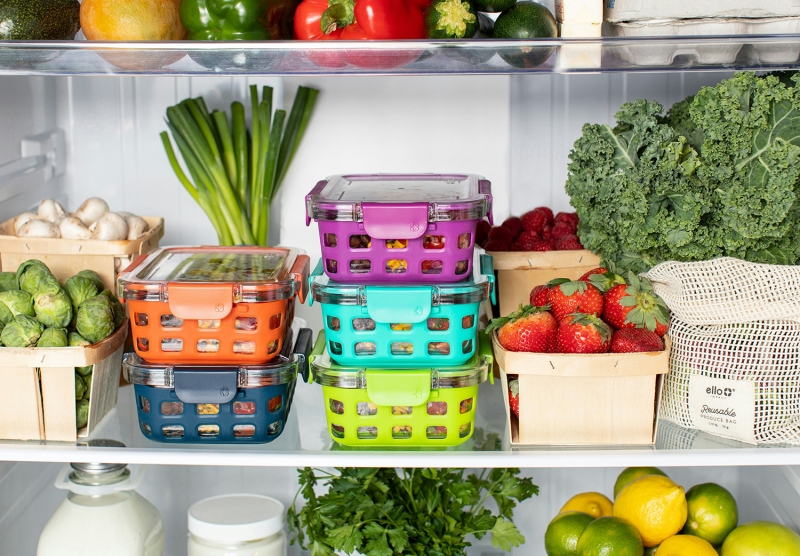
Understanding the storage requirements of different types of food is essential to minimizing food spoilage and waste. Store dry foods in airtight containers, fresh meats in the freezer or chill compartment of the fridge, and onions and potatoes in a cool, dark place. Keep fresh fruits and vegetables in your fridge’s vegetables drawer, and make sure any previously opened packaging is tightly sealed. For anything perishable, be sure to maintain a system of “first in, first out” to keep food from going bad.
- Learn what “best before” labels mean – and what they don't
Studies have found that many people assume food should be discarded after the “best before” date printed on the packaging. In the EU, 10 per cent of annual food waste is due to expiration dates, and in the U.S., 84 per cent of consumers throw away some food simply because of the date on the label. But unlike a “use by” date – after which food is no longer safe to eat – “best before” simply indicates the date by which the manufacturer can no longer guarantee the product’s optimum quality, taste or texture. Food is often perfectly safe to eat past this point – just give it a quick visual inspection, a sniff and a taste before digging in.
- Prize the imperfection
Almost half of all fruits and vegetables are wasted. In part, this is due to consumer preferences for produce that looks “perfect” or “normal”; nearly one-third of all produce is rejected between the farm and the supermarket shelf because of its appearance. Keep in mind when seeing a crooked carrot or blemished apple that it’s still perfectly fit for consumption. By choosing it, you’re not only helping reduce food waste, but also the resources that go into fruit and vegetable production – water, seeds, soil, labour and fuel. Shopping locally and seasonally, when possible, can further help reduce the emissions and resources needed to transport, store and sell food far from where and when it was grown.
- Sharing is caring
Sometimes life gets in the way, and we just can’t eat everything we buy or cook. But maybe your friends or neighbours can. Reach out to share your food, or make use of an app to find out where your surplus ingredients will be put to good use. For non-perishable goods that haven’t yet reached their sell-by date, consider donating to a local food bank, where your surplus food can help feed more vulnerable members of the community. Looking for an edible bargain yourself? Some businesses like bakeries and cafes offer end-of-day discounts on food they would otherwise have to throw away – taking advantage of these systems keeps perfectly good meals out of the bin, and can save you money in the process.
- Compost the rest
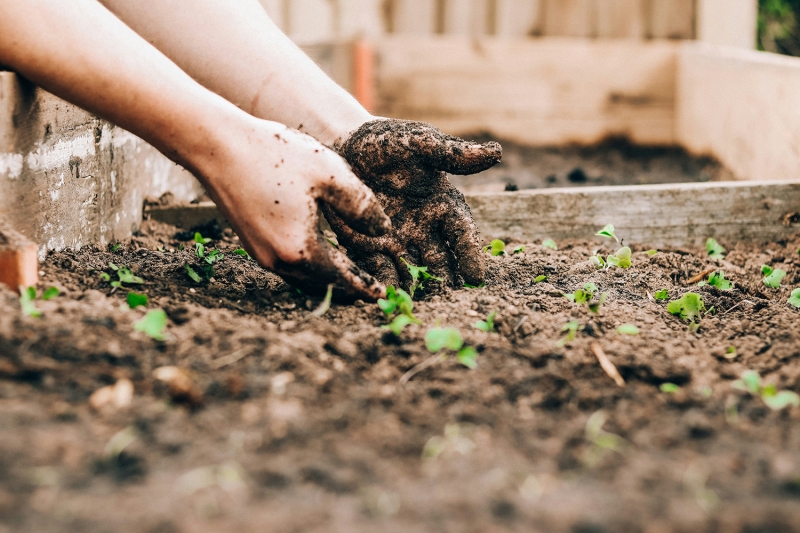
Some waste is unavoidable, like eggshells, watermelon rinds and onion skins. But when food waste ends up buried in landfills, it breaks down without access to oxygen, and thus creates methane – a potent greenhouse gas. The Environmental Protection Agency of the U.S. estimates that 58 per cent of methane emissions from municipal solid waste landfills in the country come from food waste. Composting this waste returns vital nutrients to the earth, improves soil structure and sequesters carbon. And if you have a garden of your own, your plants will thank you for it.
Zero Waste Day 2026, held annually on 30 March, is focused on food waste. Jointly facilitated by the United Nations Environment Programme (UNEP) and the United Nations Human Settlements Programme (UN-Habitat), Zero Waste Day calls on people, governments and organizations around the world to take concrete action to prevent waste, advance circular solutions and strengthen zero-waste food systems.
As the world’s leading environmental authority, UNEP works to prevent food waste and mitigate methane emissions by adapting and scaling proven solutions, as well as promoting global collaboration on the topic. At COP30 in Belém, Brazil, UNEP and its partners launched the Food Waste Breakthrough – an initiative to halve food waste by 2030, cutting methane emissions by up to 7 per cent as part of efforts to slow climate change.