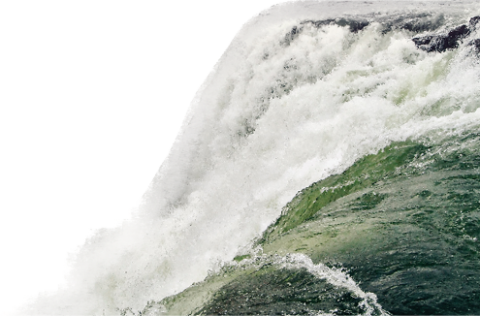

There was a time when extreme heat was relatively rare.
But not anymore.
Heatwaves, which are already responsible for almost 500,000 deaths a year, are becoming more frequent, more intense and more dangerous.
That’s nowhere more evident than in Europe, where temperatures this week soared towards 40°C, prompting heat alerts in 26 countries, according to media reports.
Heat can quickly become a serious health risk, especially for older people, children, outdoor workers, pregnant women and those with underlying health conditions. That’s why experts say it is important to be prepared.
To help, staffers here at the United Nations Environment Programme (UNEP) offered some pointers on how to cool your home – and yourself – when the temperatures spike.
1. Prepare your home for high temperatures
Extreme heat is easier to manage when you plan ahead. Check weather forecasts and heat alerts so you know when dangerous conditions are expected. Make sure fans, refrigerators and other cooling equipment are working properly. Stock up on drinking water and essential medicines, and identify cool places you can go if your home becomes too hot.
2. Do everything you can to keep the sun out
Close curtains, blinds and shutters on sun-facing windows during the day. External shading such as awnings, bamboo screens or vegetation works even better by blocking solar heat before it reaches the glass.
Once outdoor temperatures drop at night, open windows on opposite sides of your home to flush out stored heat. Shut everything again before morning to keep cooler air inside.

3. Try to stay cool without air conditioning
Air conditioners can save lives during extreme heat but widespread reliance on inefficient cooling can increase energy demand and contribute to climate change. Where possible, combine efficient cooling with passive measures that keep buildings naturally cooler.
Fans use far less energy than air conditioners and help people feel cooler by increasing airflow across the skin.
Traditional cooling techniques can help even more. In parts of South Asia, dampened khus (vetiver grass) screens have long been placed over windows so that incoming air is cooled naturally as water evaporates.
Shade, cross-ventilation, shutters, cool roofs and well-designed buildings can also keep heat out, reducing the need for air conditioning.
4. Drink water constantly and eat light
Sip water throughout the day, even before thirst kicks in. In extreme heat you dehydrate faster than you realize. Avoid alcohol. Swap heavy cooked meals for cold, smaller ones like salads; cooking indoors raises the temperature of your home, and digesting large meals generates body heat.
5. Protect yourself when the heat is unavoidable
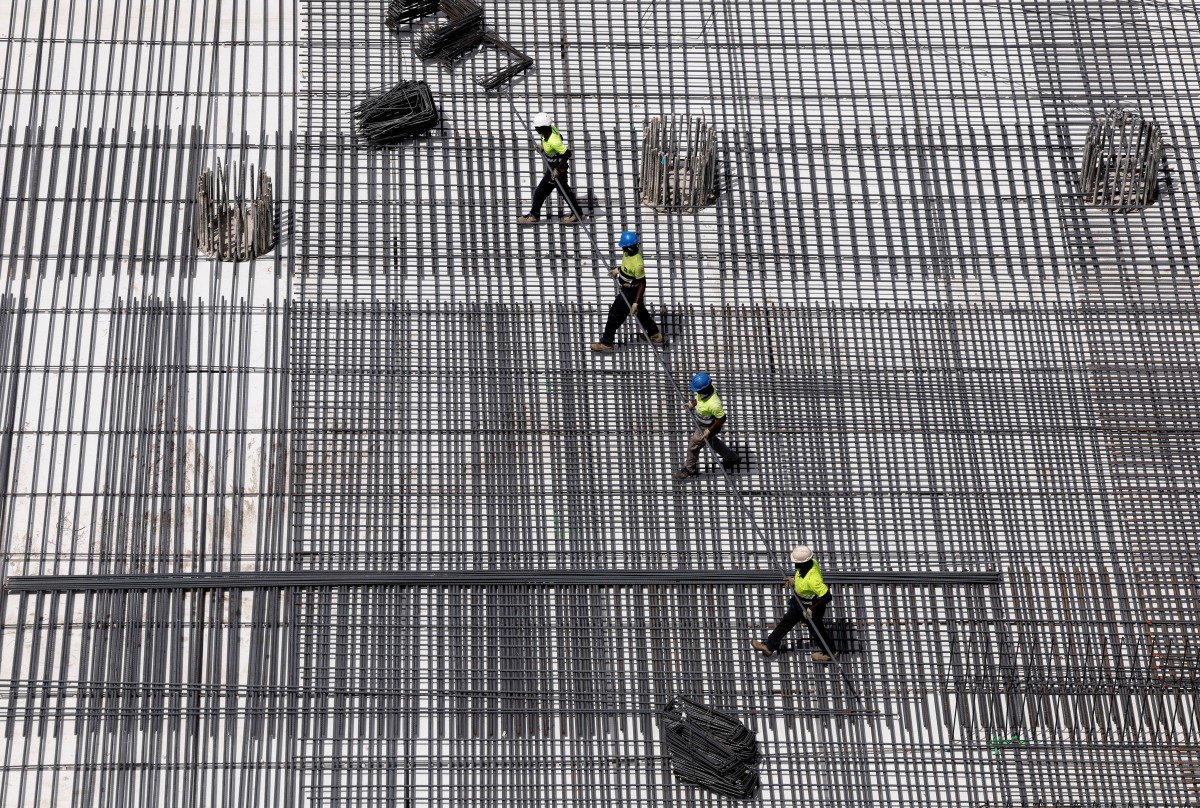
Wear lightweight, light-coloured, loose-fitting clothes with a wide-brim hat and sunglasses. When possible, stay indoors or in the shade during peak heat hours and schedule exercise and outdoor tasks for cooler parts of the day.
For outdoor workers, regular rest breaks, access to shade, frequent hydration and adjusted working hours are critical protections against heat-related illness.
6. Know the signs of heat-related illness
Dizziness, headache, nausea, muscle cramps and heavy sweating can signal heat exhaustion. If you experience those, move to a cooler place, rest and drink water immediately. Confusion, loss of consciousness, rapid breathing, seizures or a very high body temperature may indicate heat stroke, a medical emergency. Call emergency services immediately.
7. Bring your body temperature down quickly
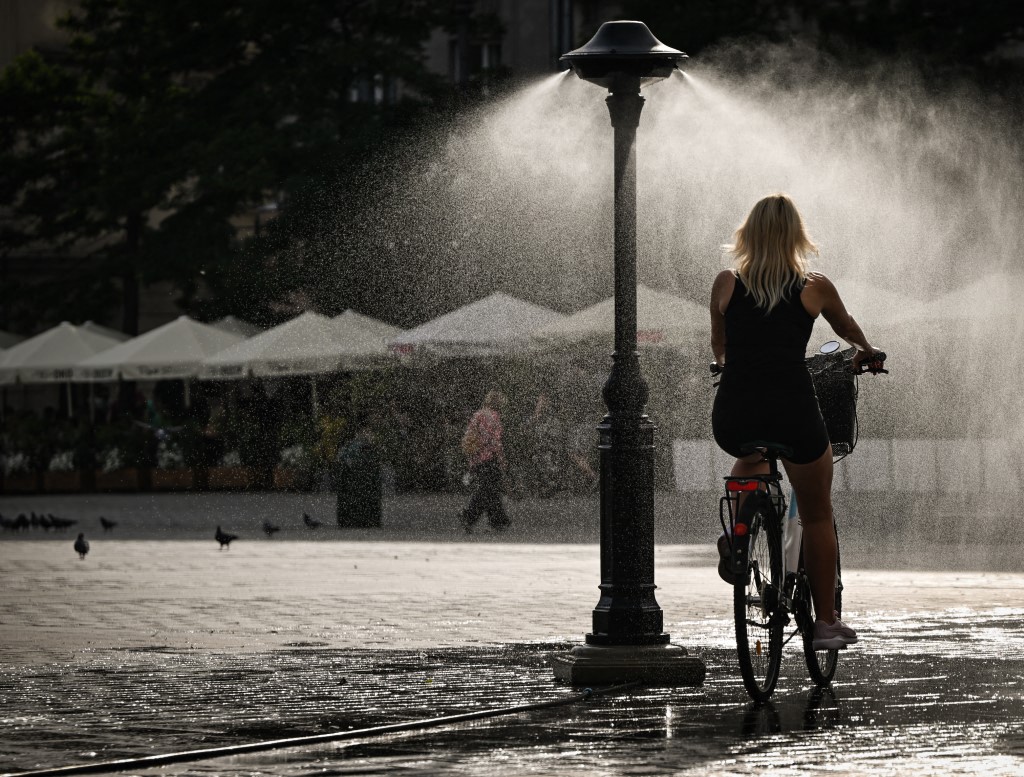
When temperatures soar, cooling your body directly can provide fast relief. A cool shower, a damp cloth on the neck and wrists, or feet soaked in cold water can help lower body temperature. Place cool packs wrapped in a towel on pulse points such as the neck, armpits and groin, where blood vessels are close to the skin.
These simple techniques work quickly, require little or no equipment and can help prevent heat-related illness.
8. Find a cool refuge when your home overheats
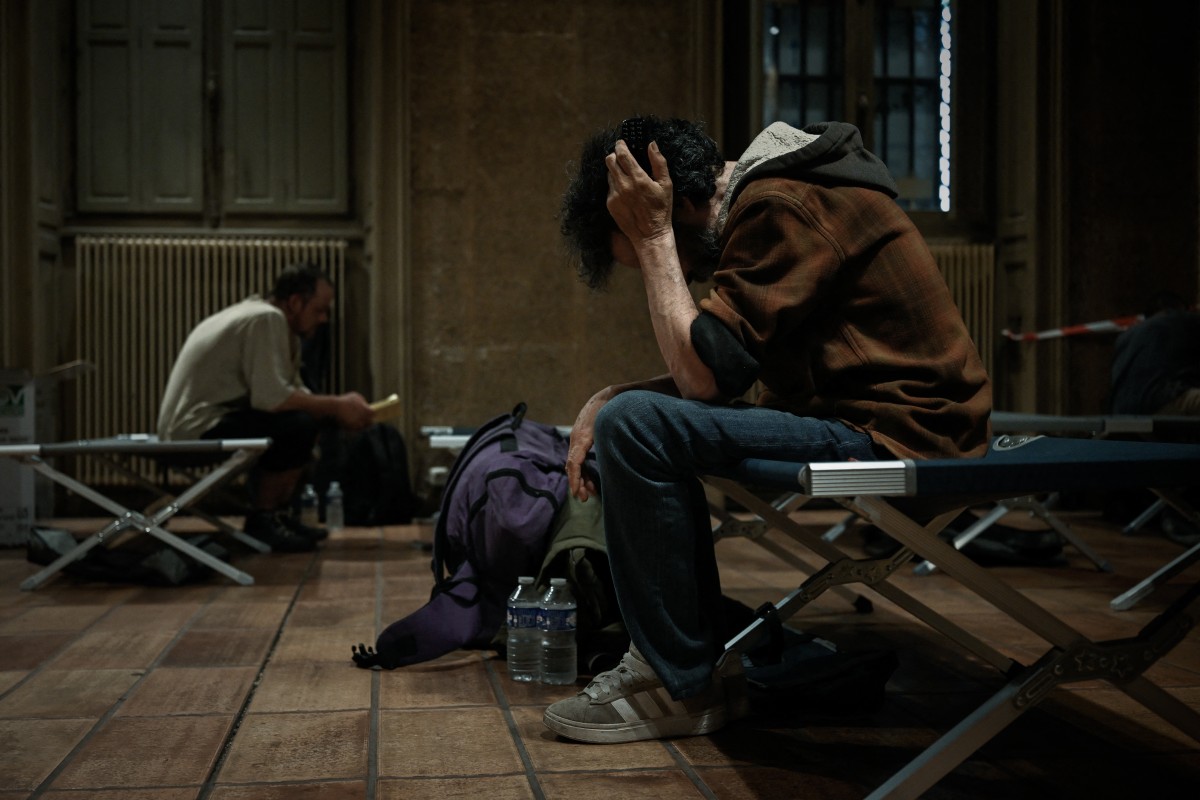
Libraries, shopping centres, community centres, cinemas and shaded parks can all provide relief during periods of extreme heat. Many cities run dedicated cooling centres during heat emergencies — check your local council or health authority for the nearest one.
Going out in the early morning or evening is generally safer than during the hottest hours of the day.
Trees, parks, green roofs and other vegetation help cool neighbourhoods by providing shade and releasing moisture into the air. When possible, choose shaded walking routes, spend time in green spaces and support efforts to expand urban tree cover and nature-based cooling solutions.
9. Check in on others and prepare before the heat arrives
Older adults, young children, pregnant women, people with chronic illness, those living alone and outdoor workers are most at risk.
A call or visit during a heatwave can be life-saving.
As temperatures continue to rise, preparing for extreme heat is becoming part of everyday life. Small actions taken before and during hot weather can protect your health, reduce risks and help you stay safe when temperatures soar.
Written by: Niki Shah
Reviewed by: Elsa Lefevre, Lou Perpes, Sophie Loran, Mirey Atallah